


Design your very own framing
Find the balance
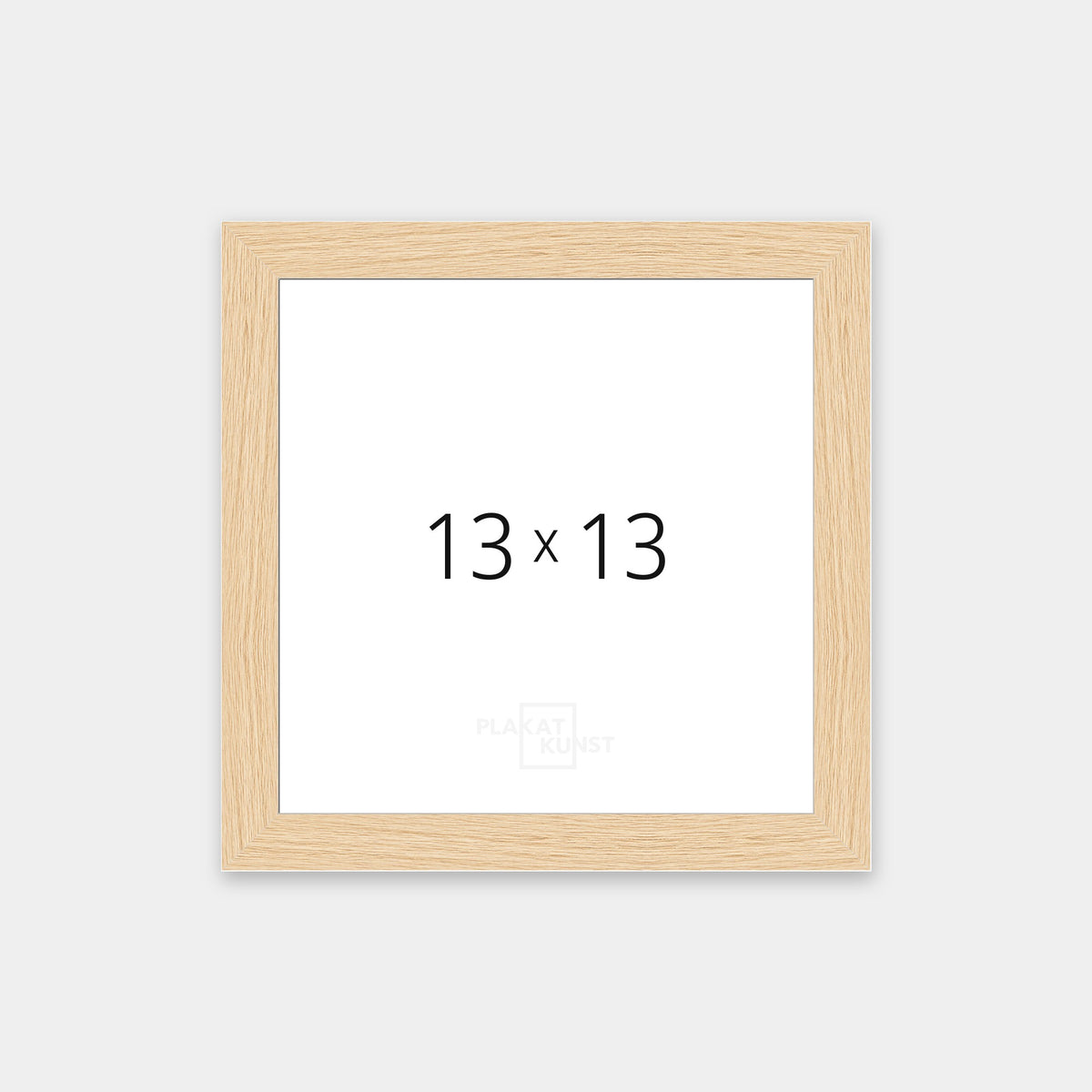
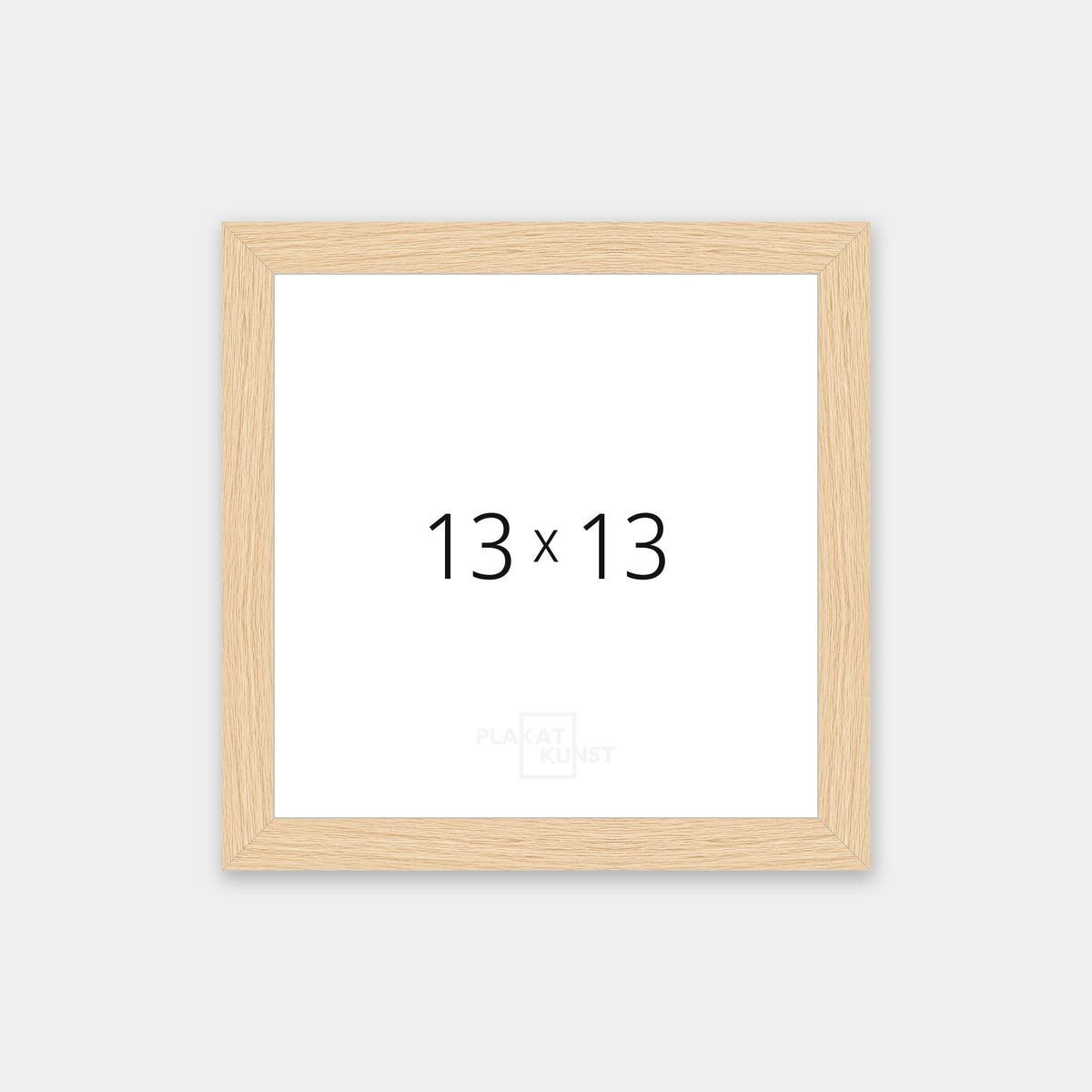
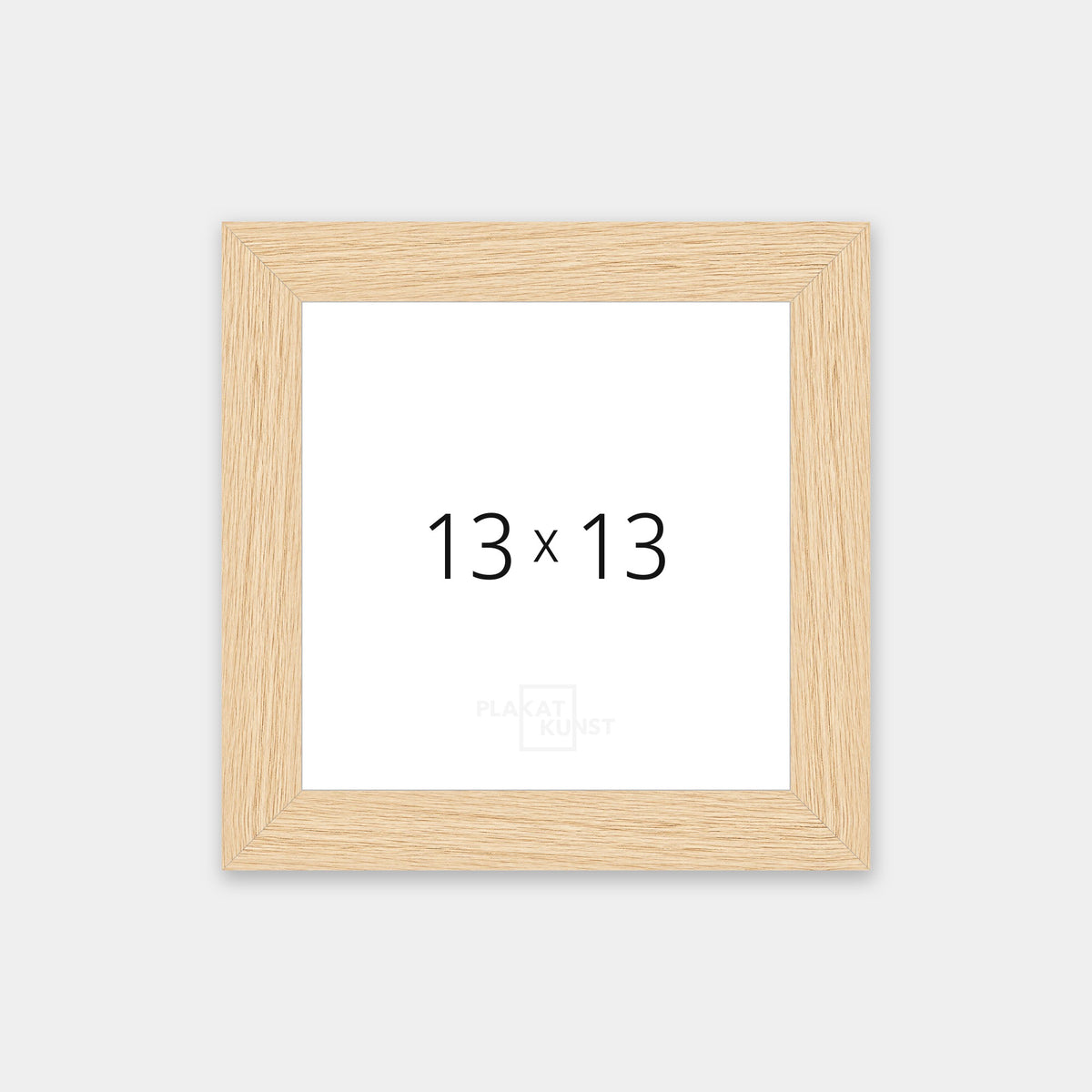
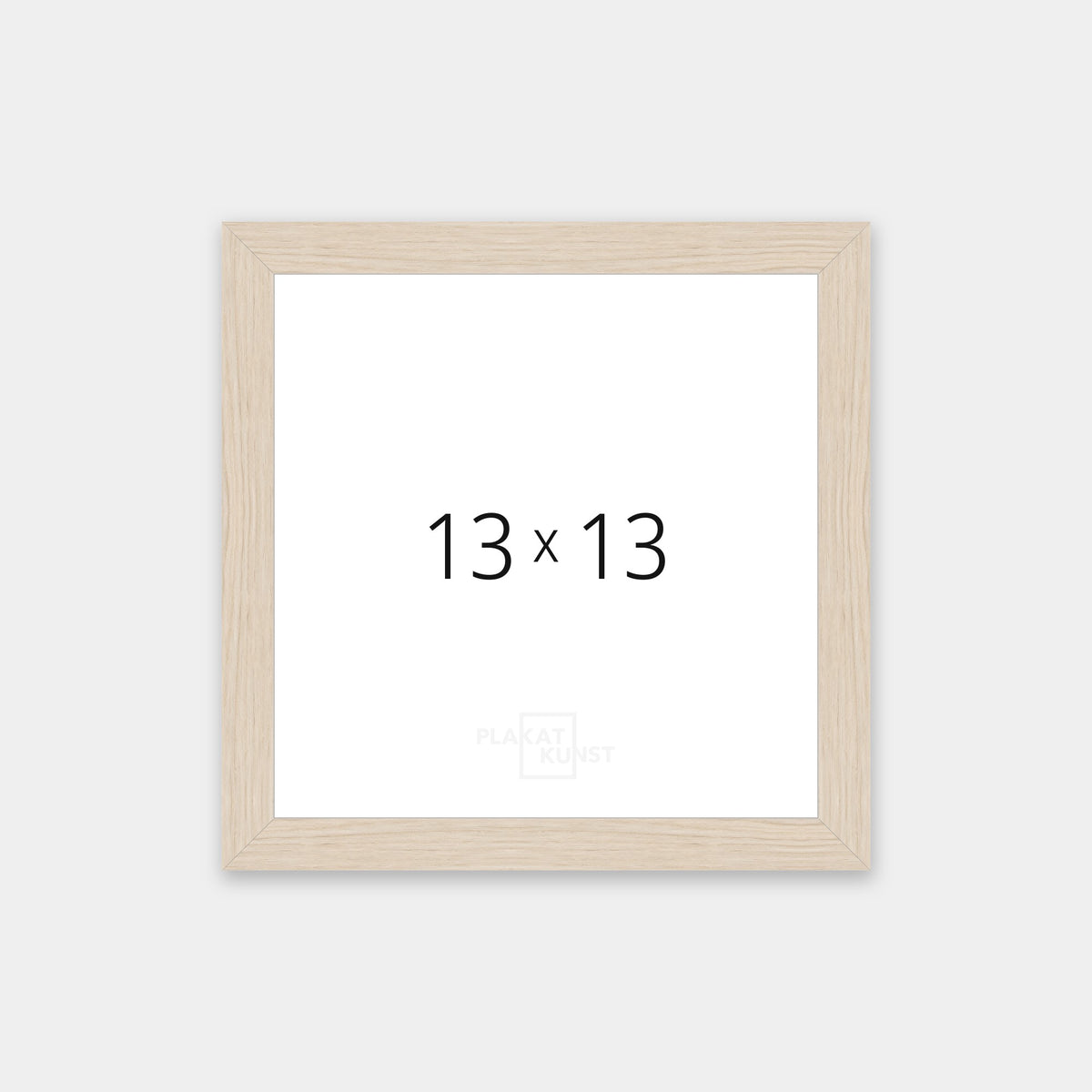
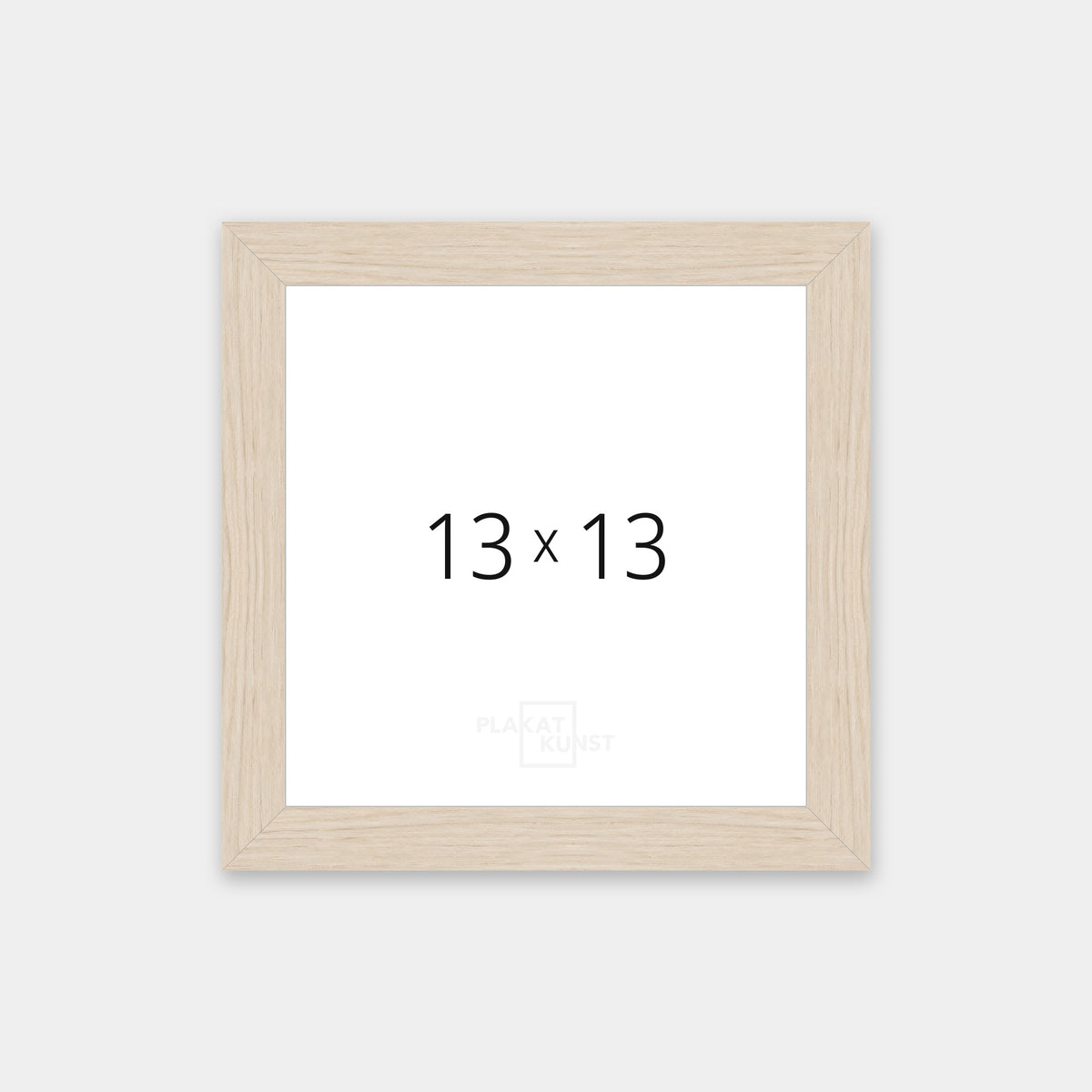
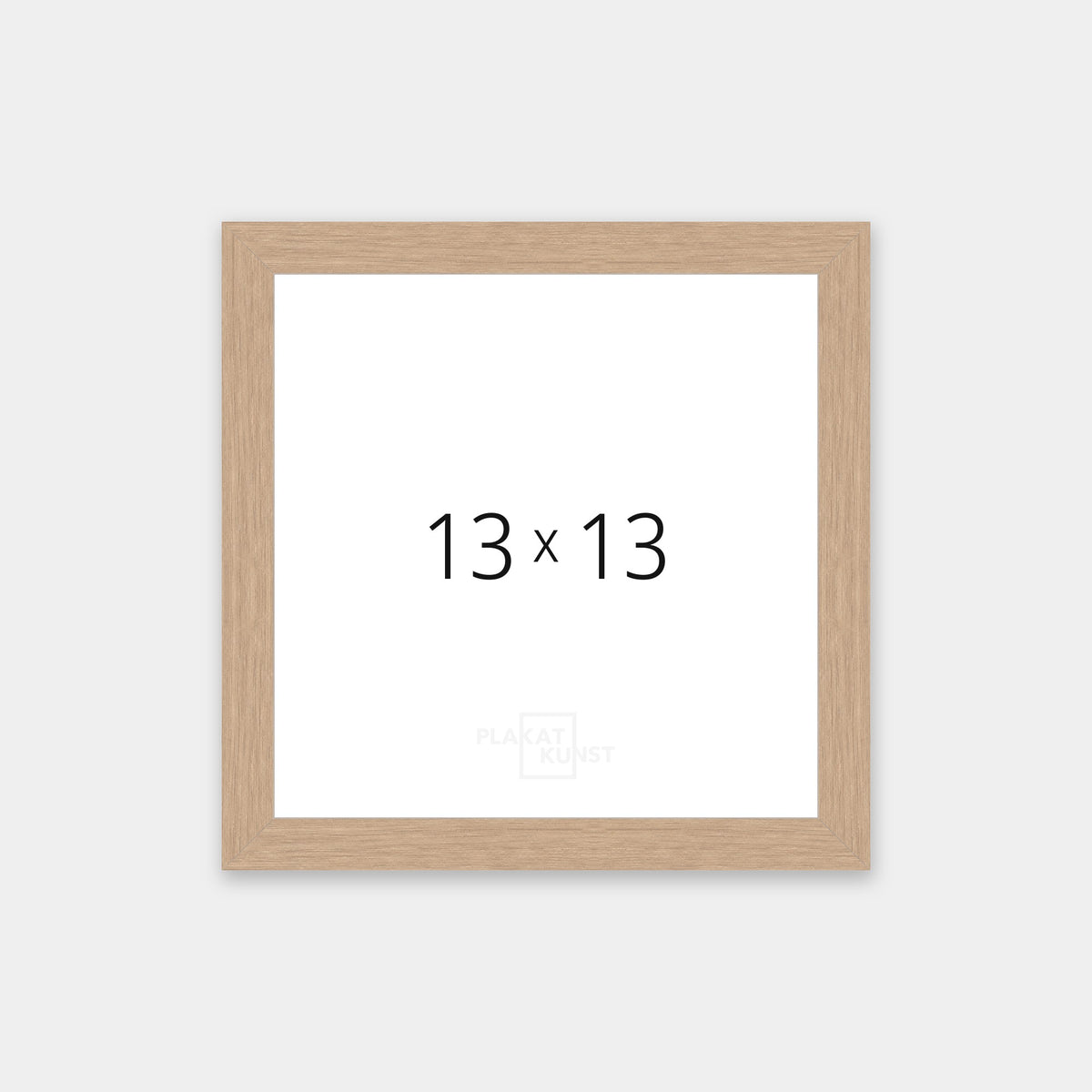
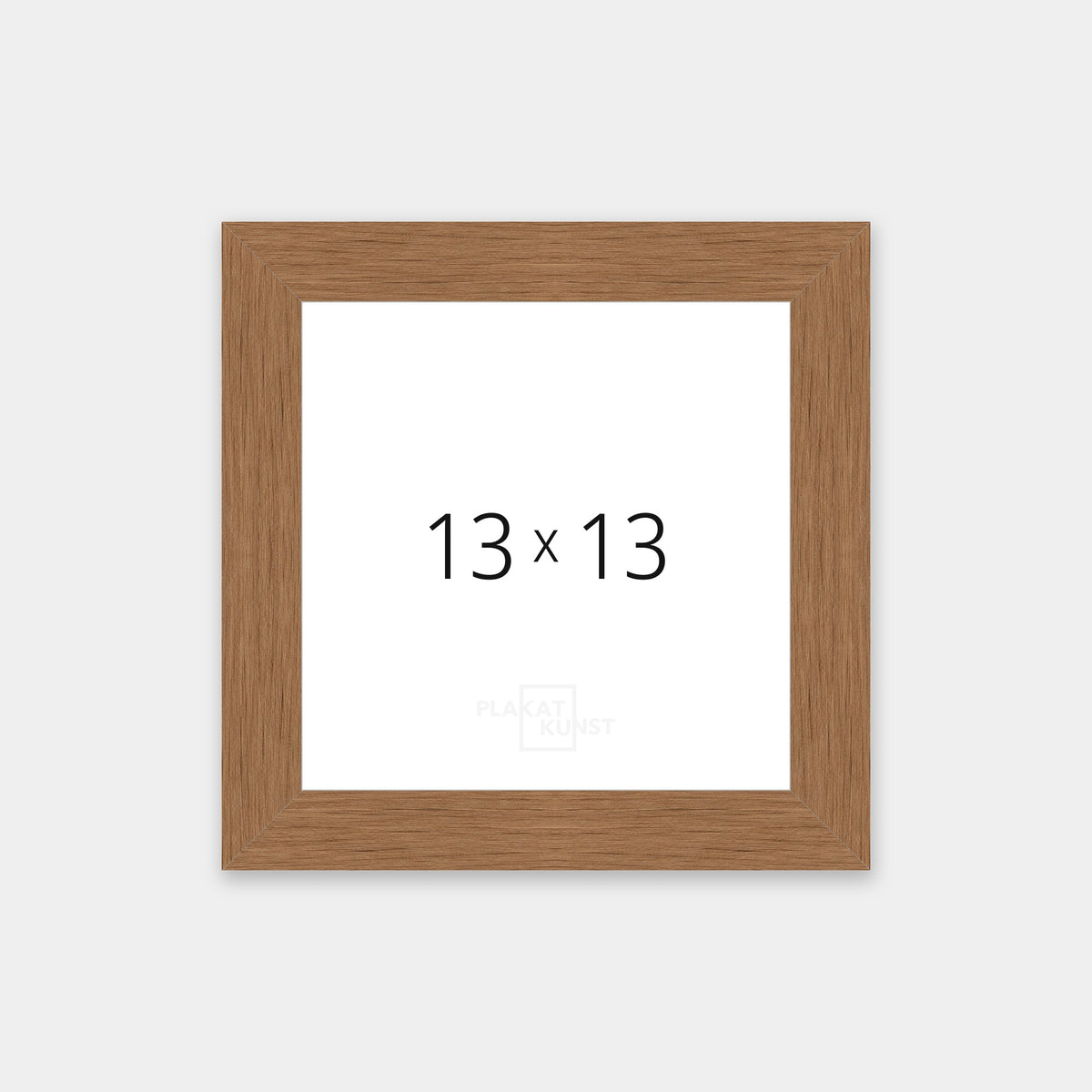
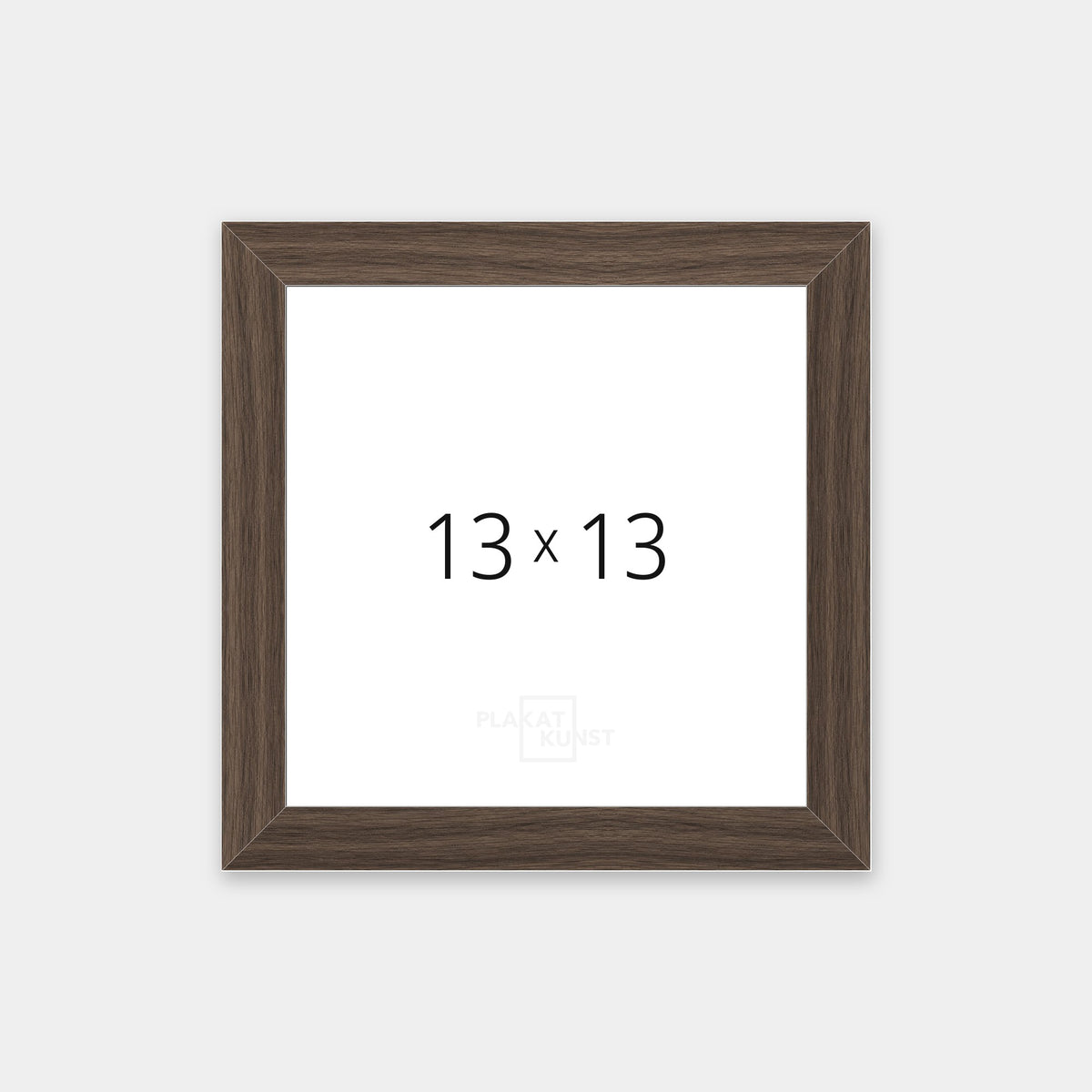
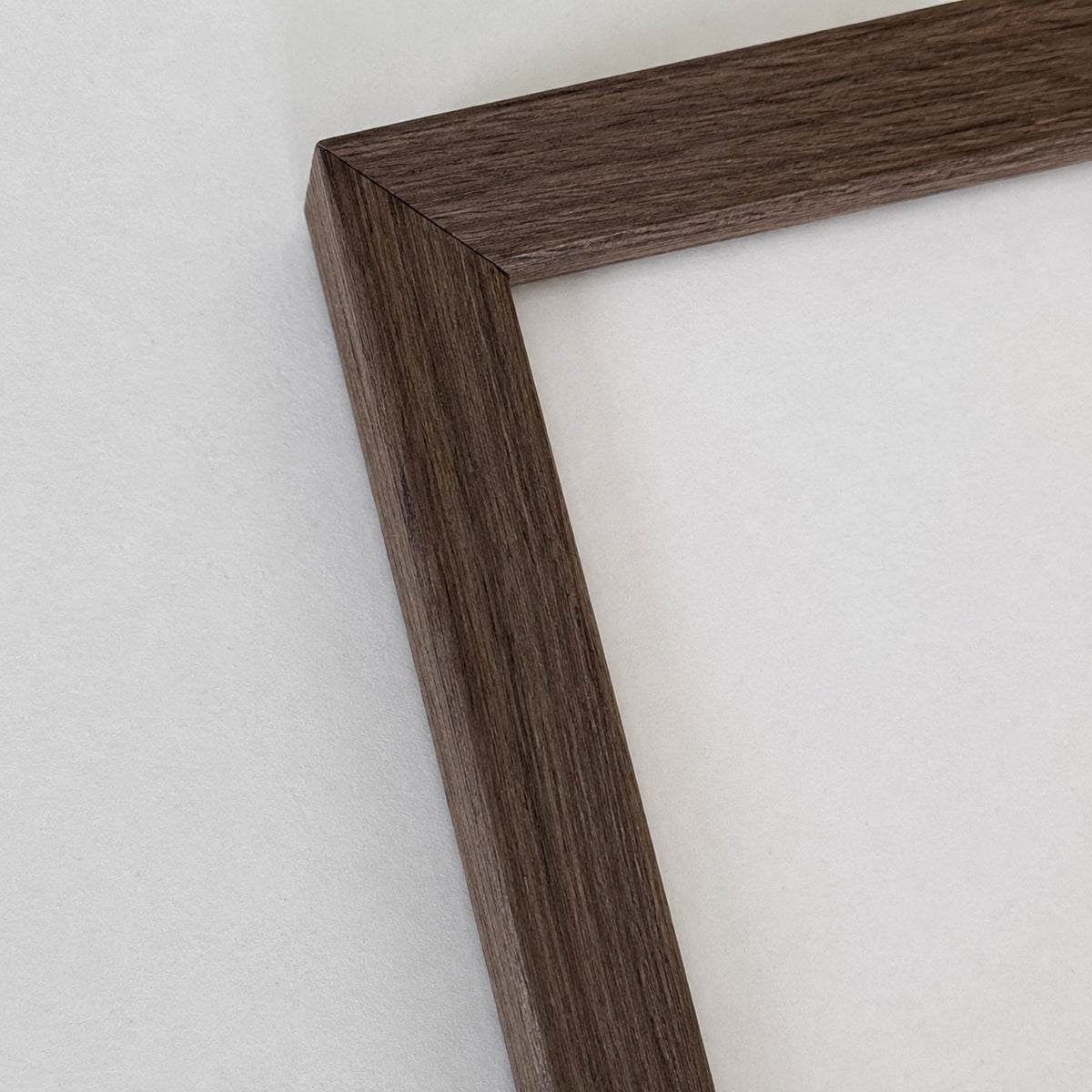
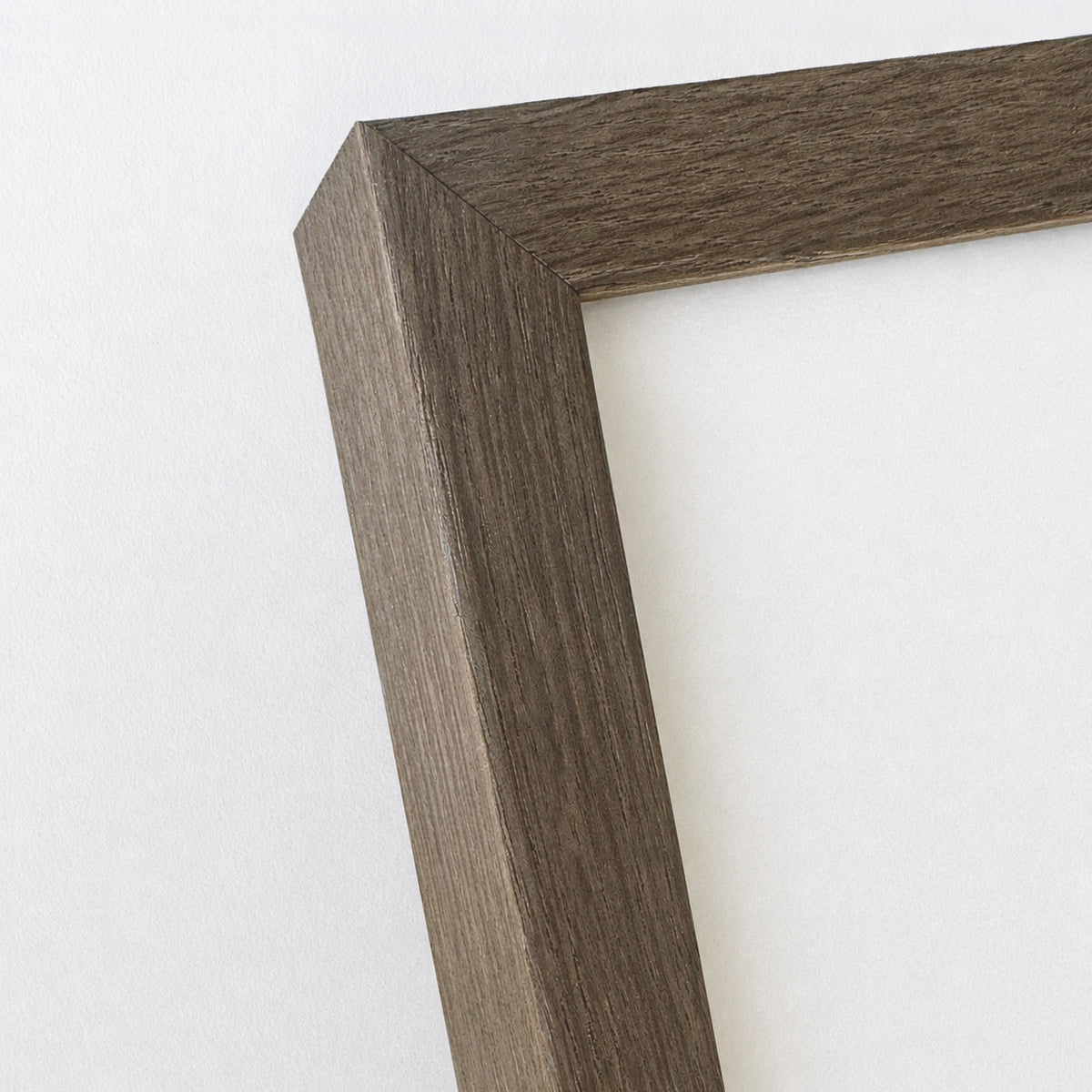
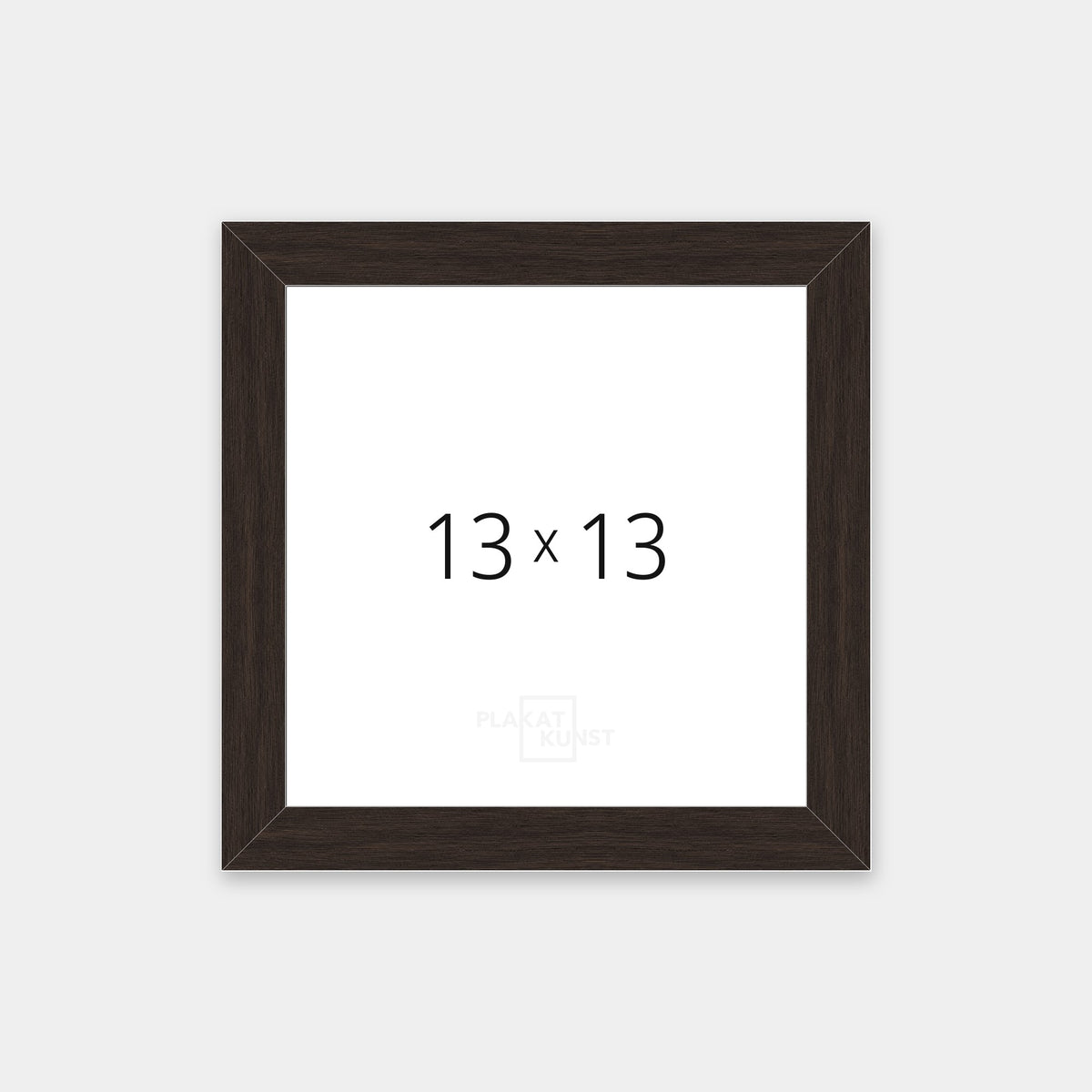
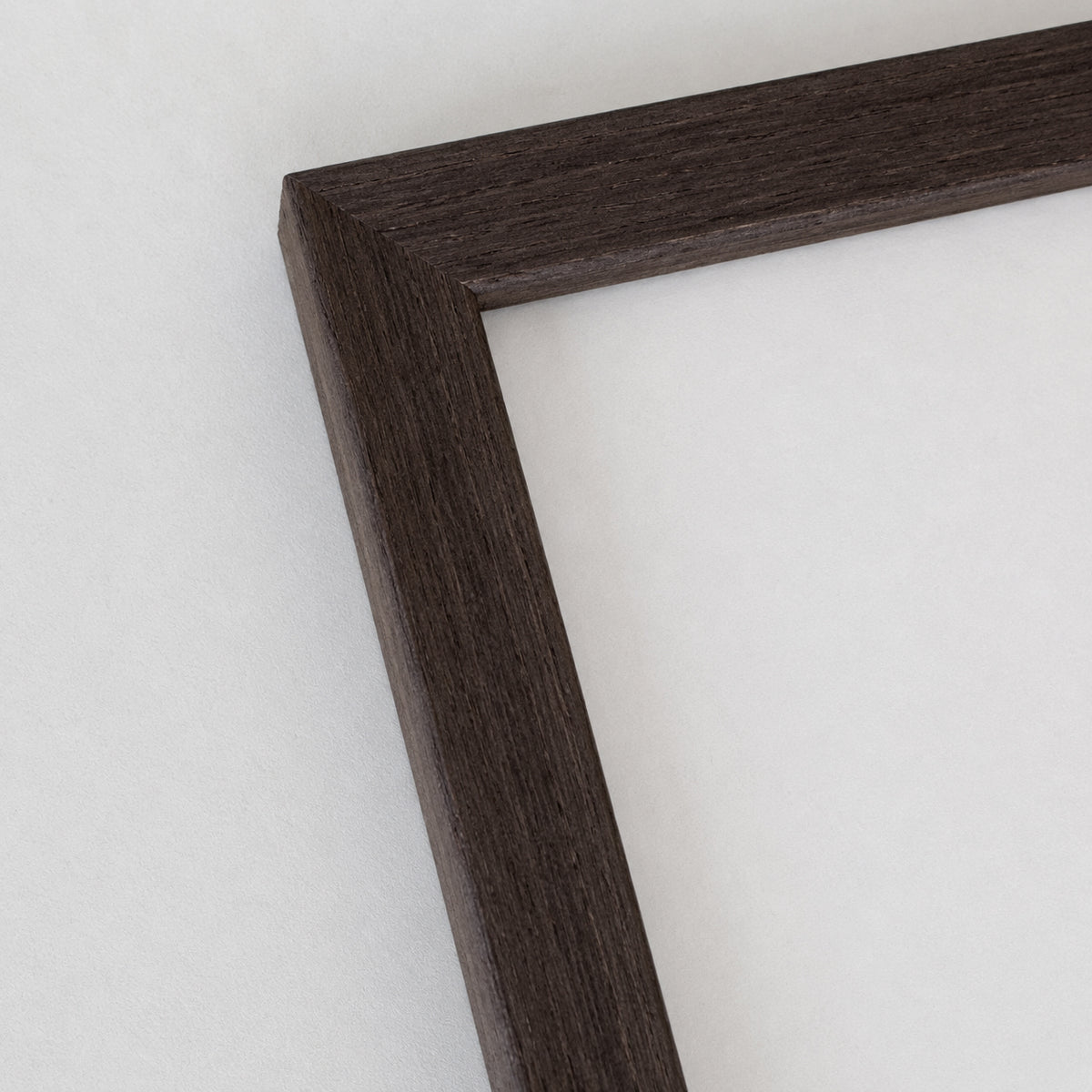
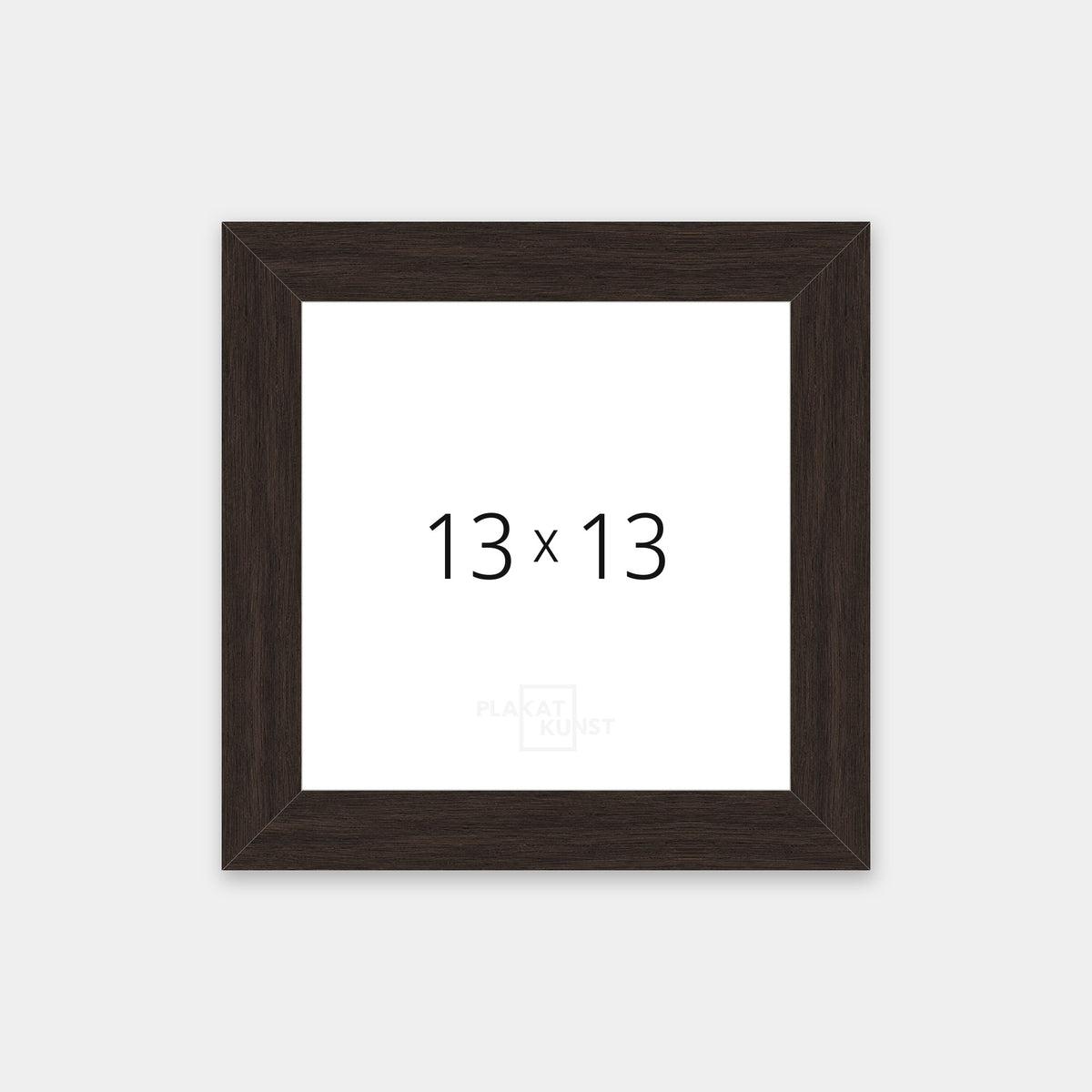
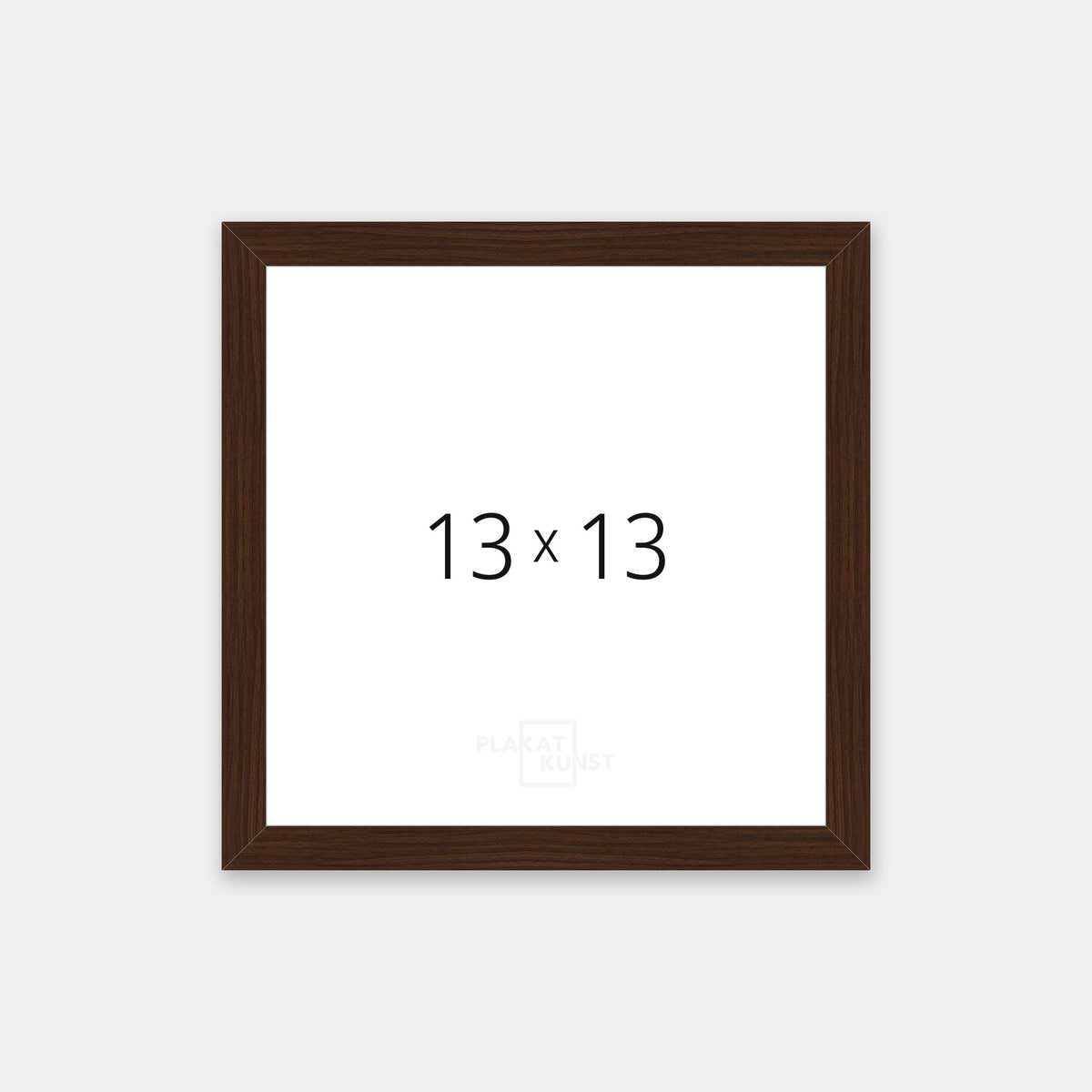
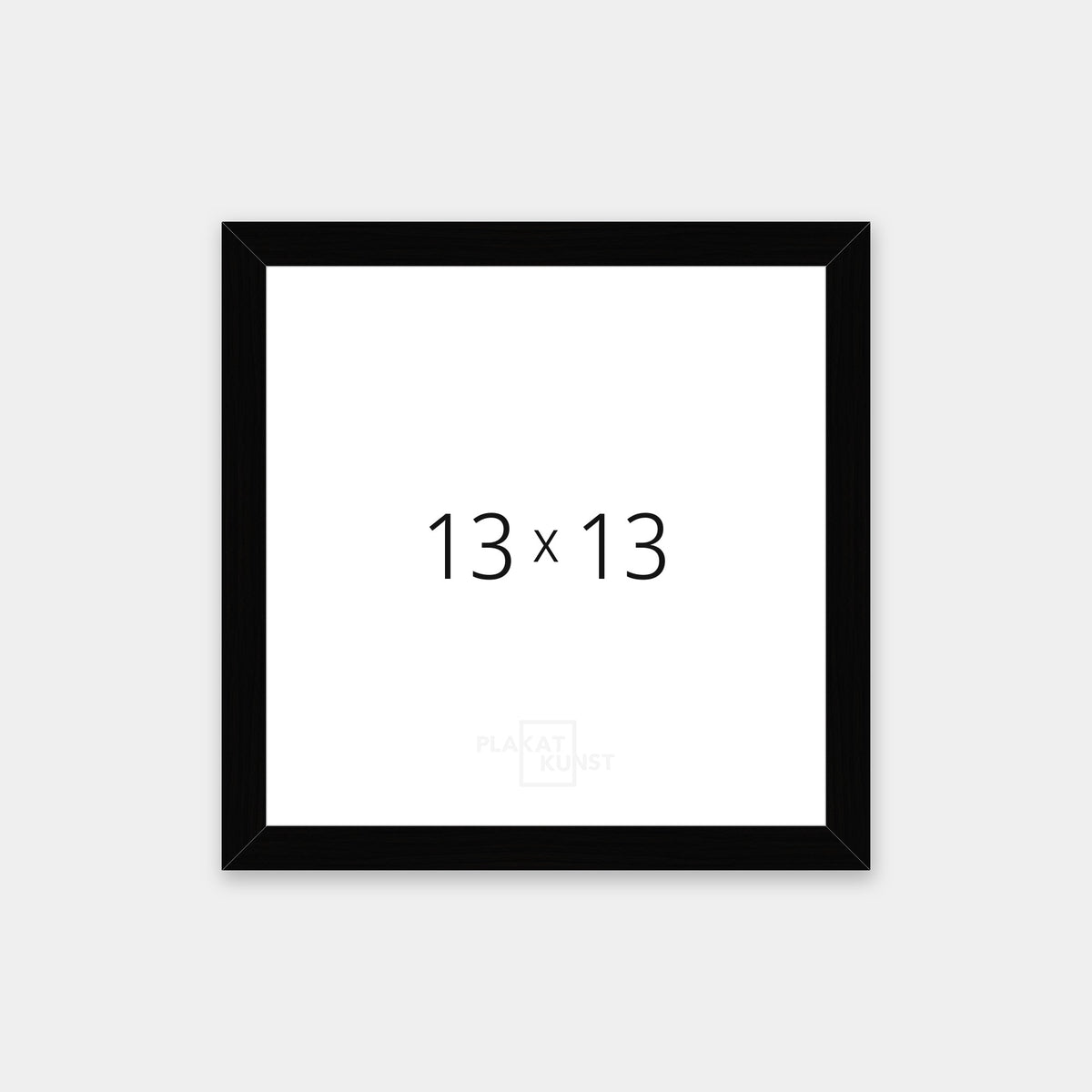
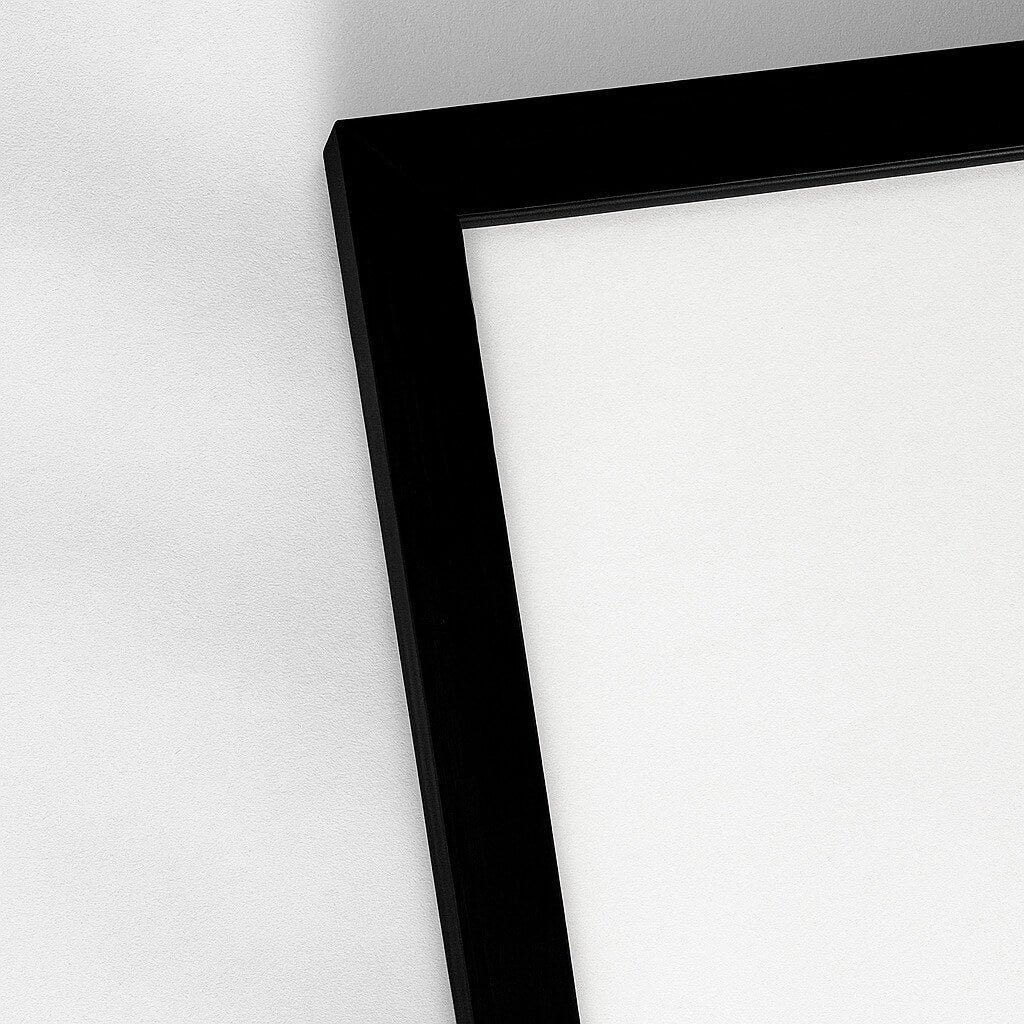
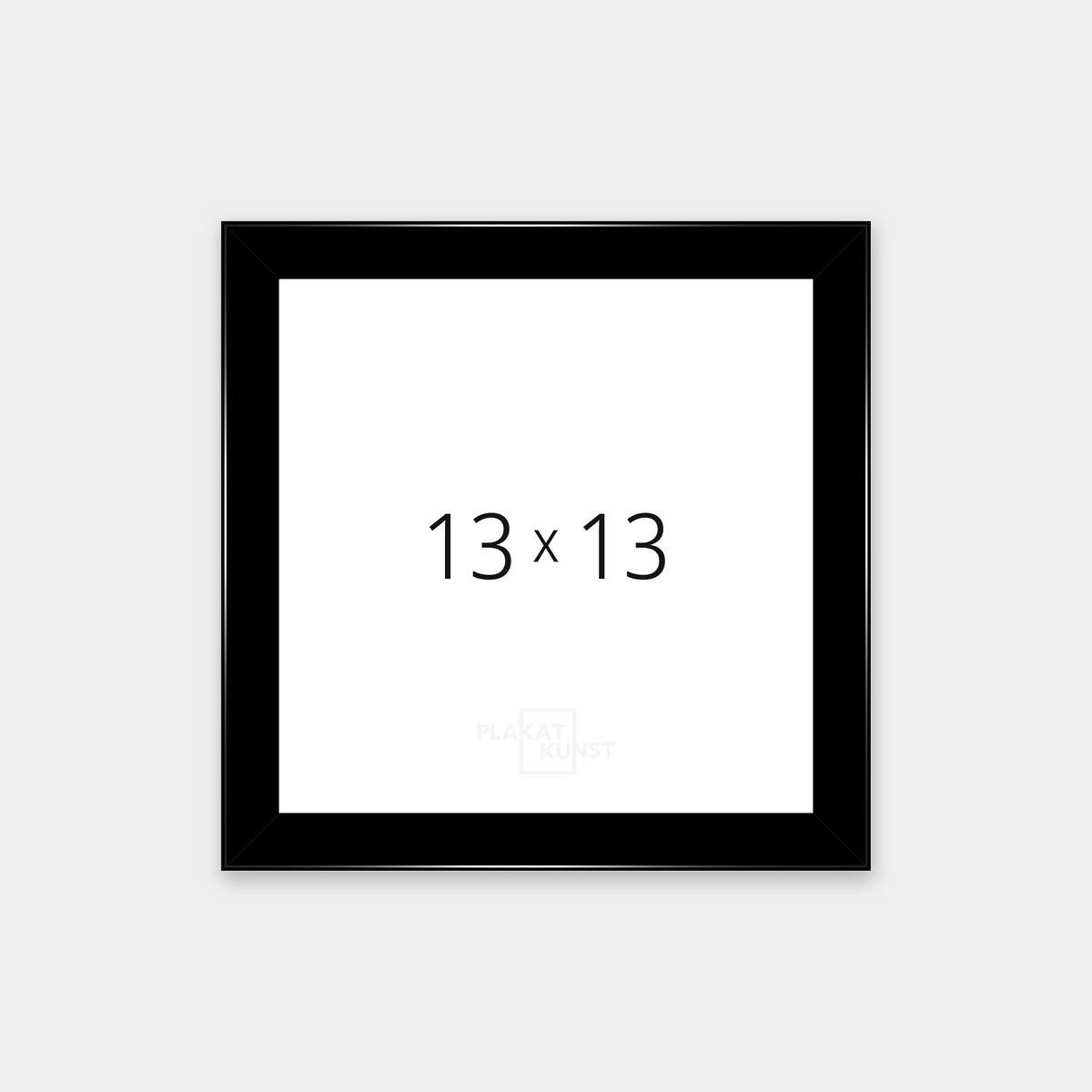
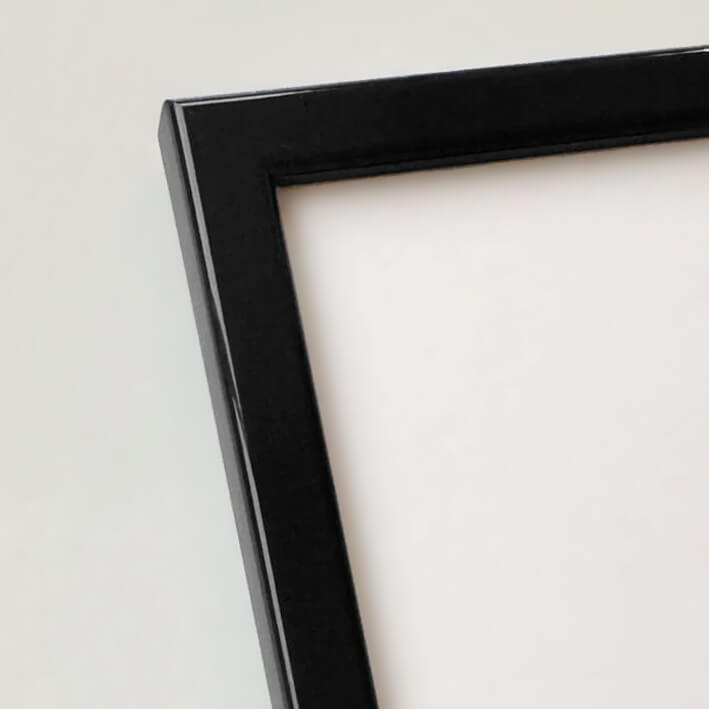
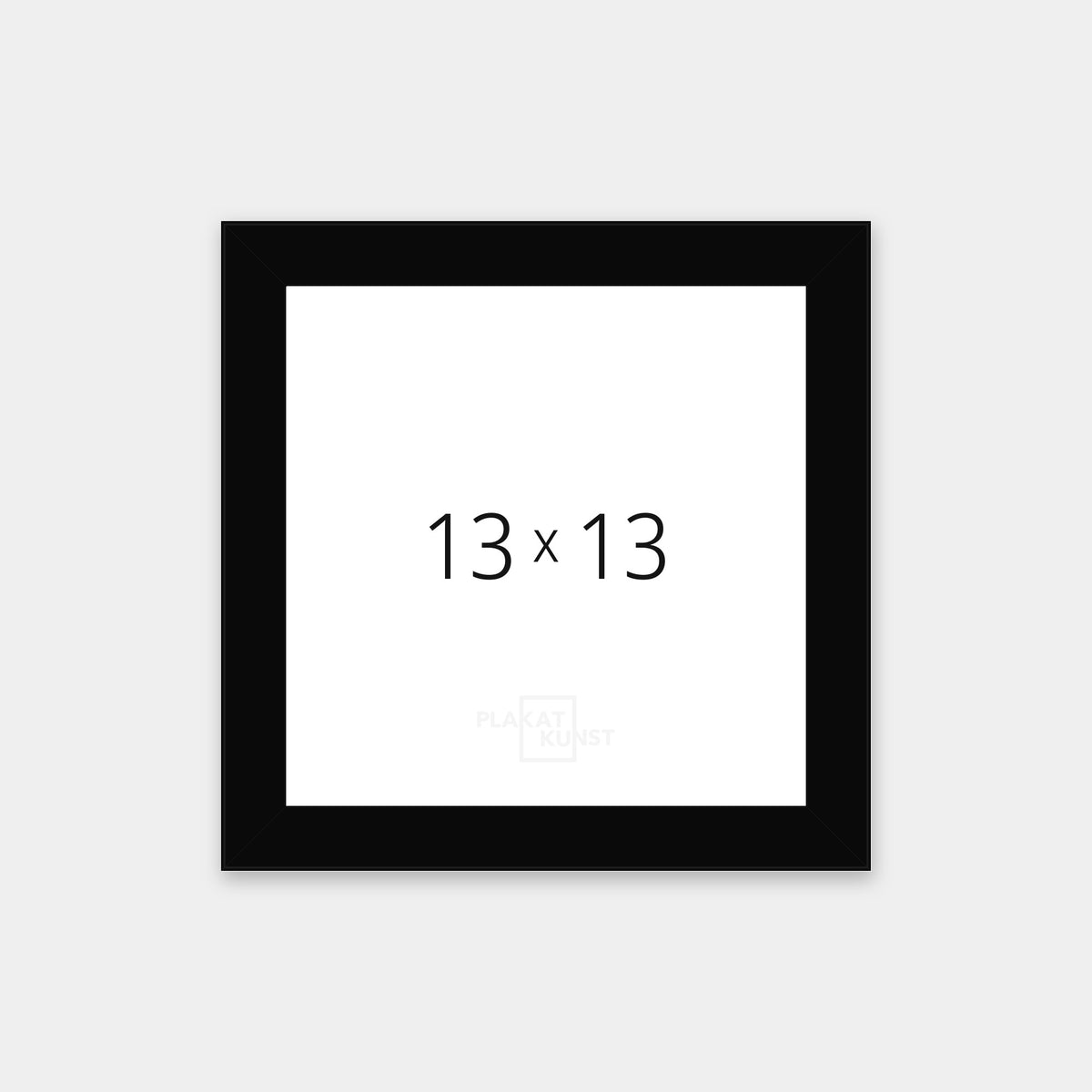
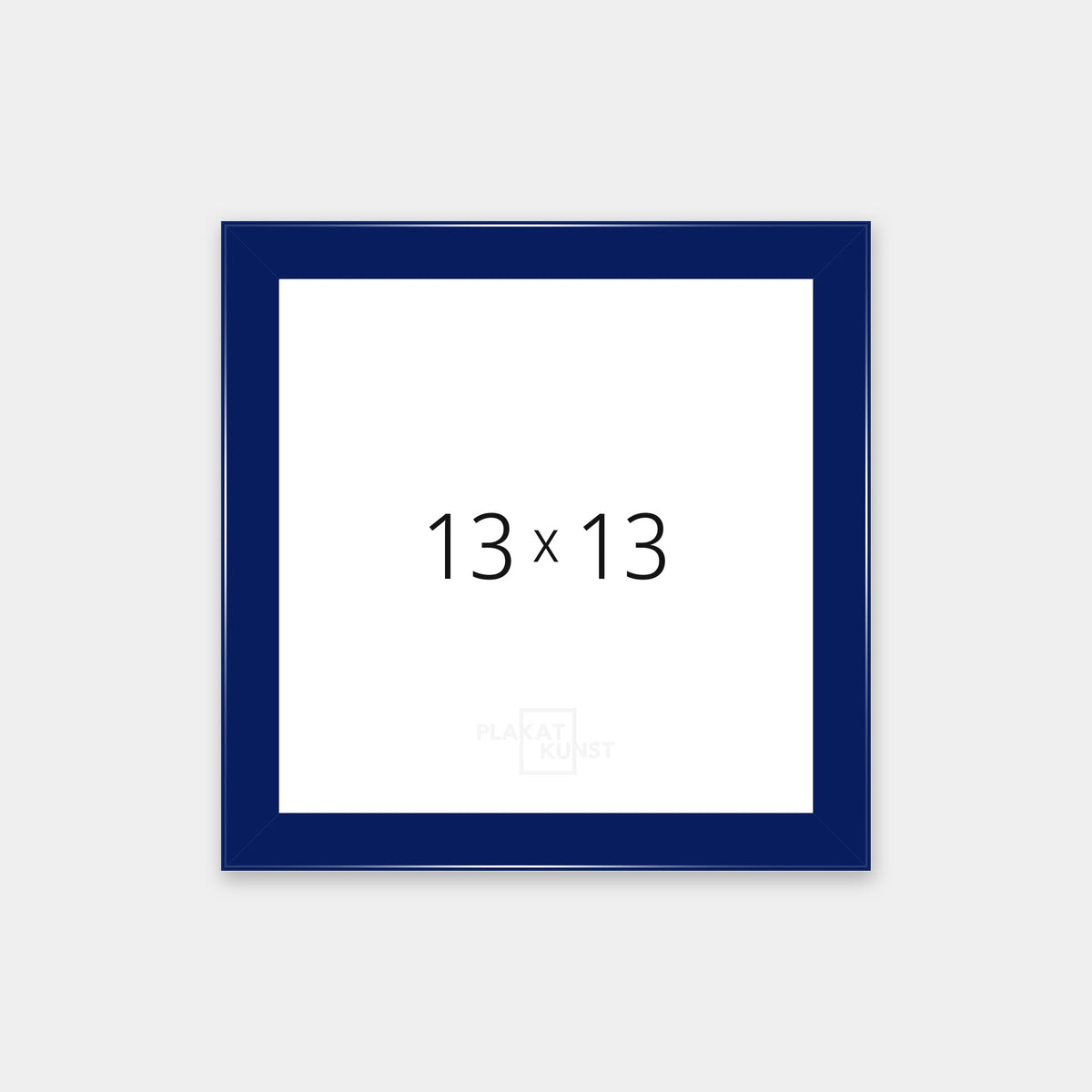
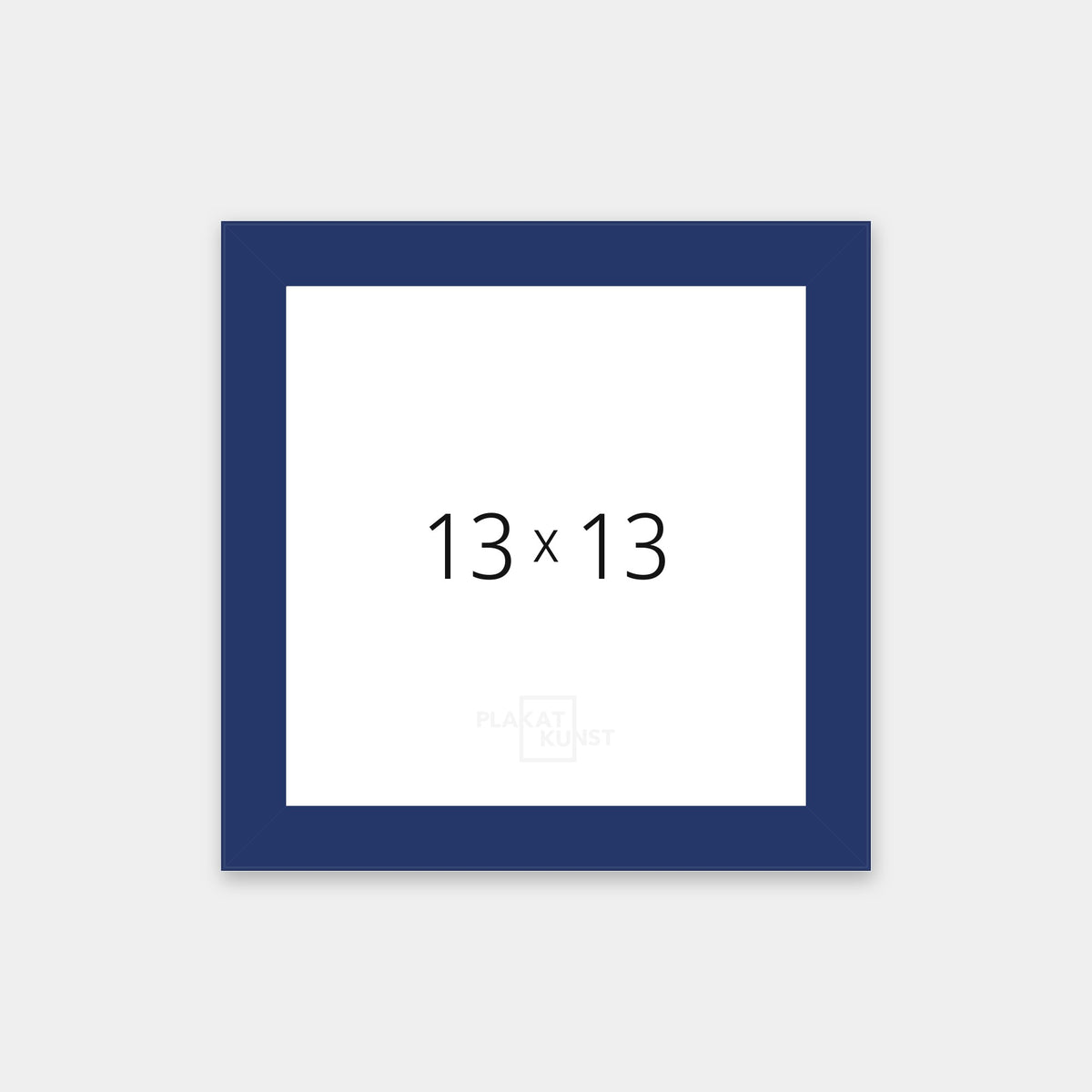
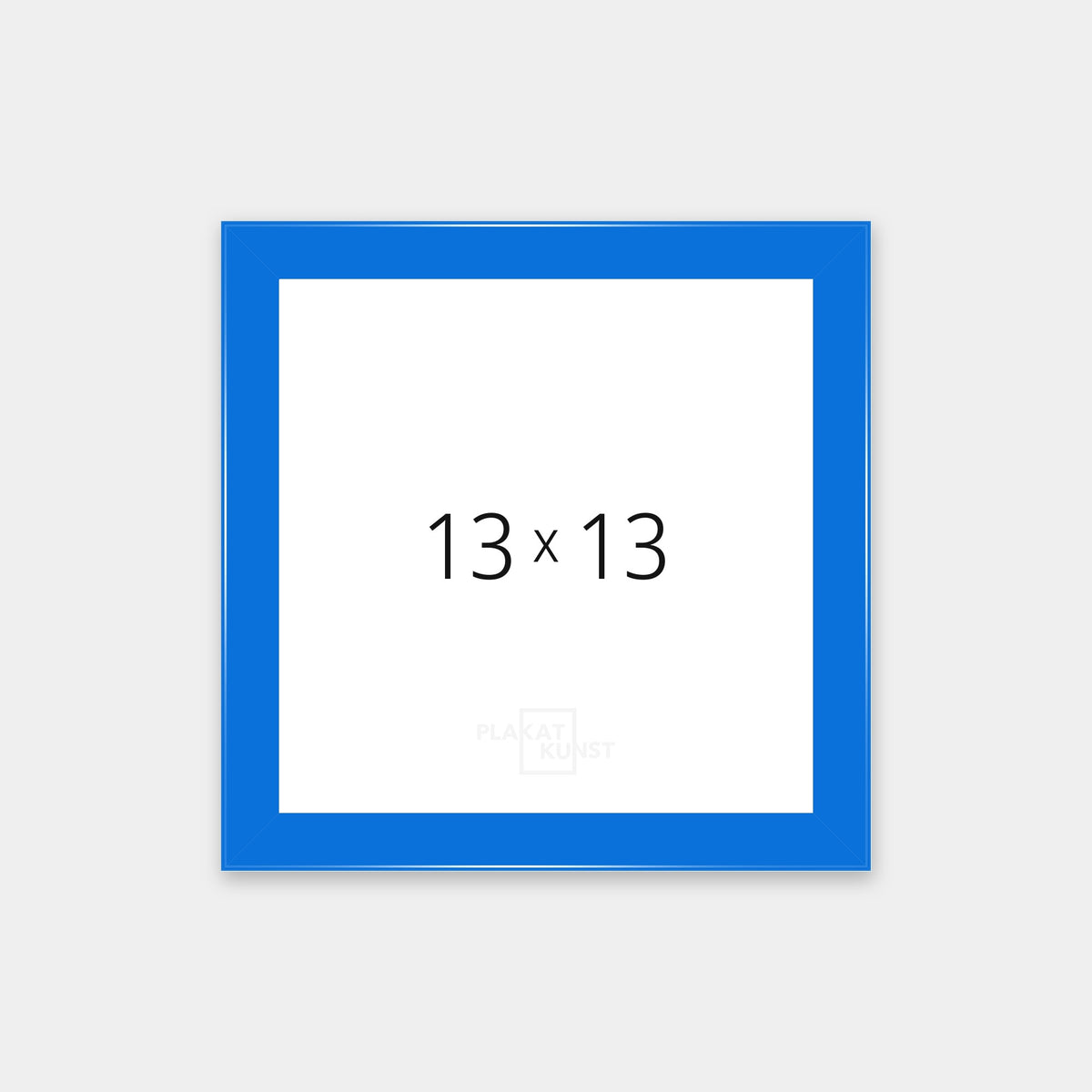
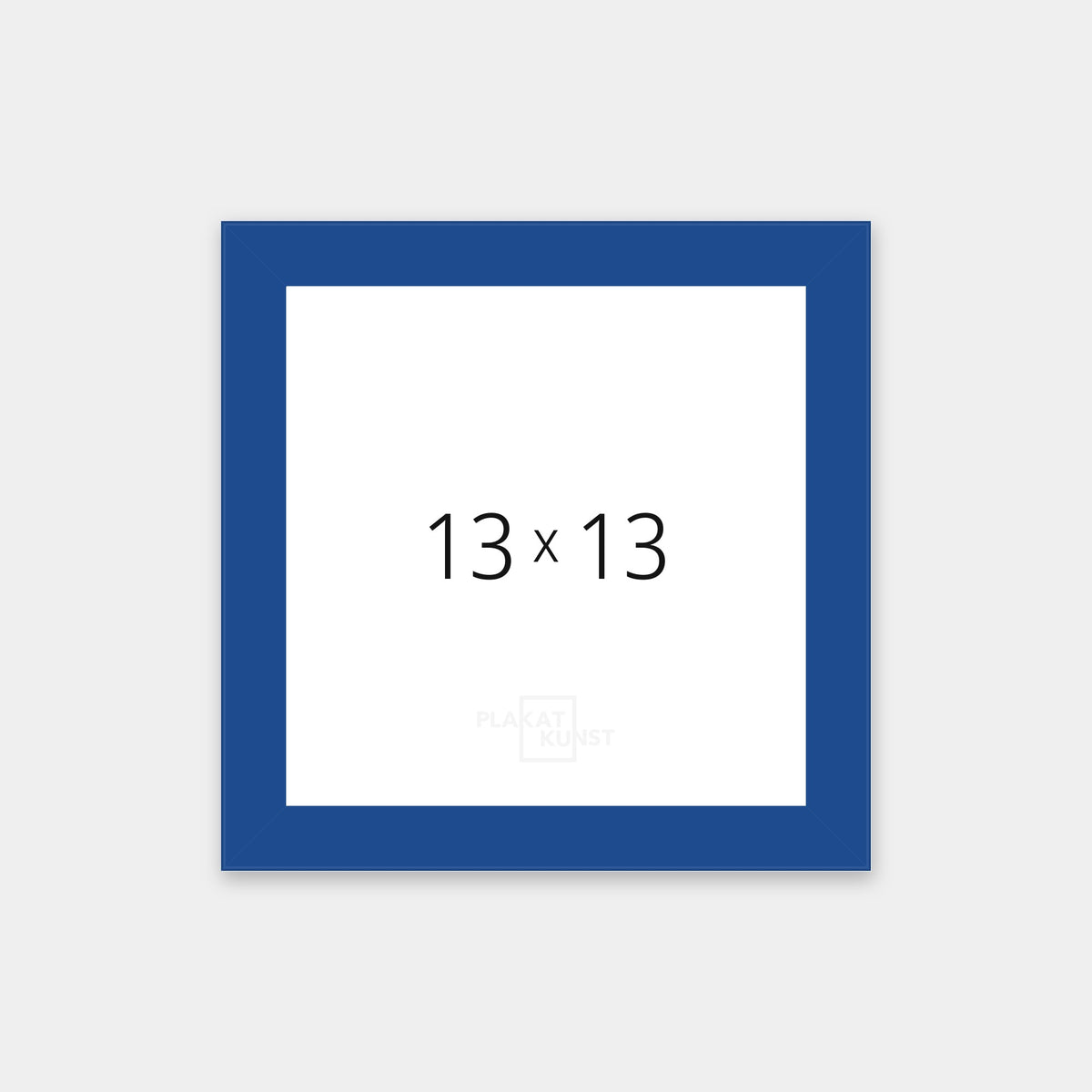
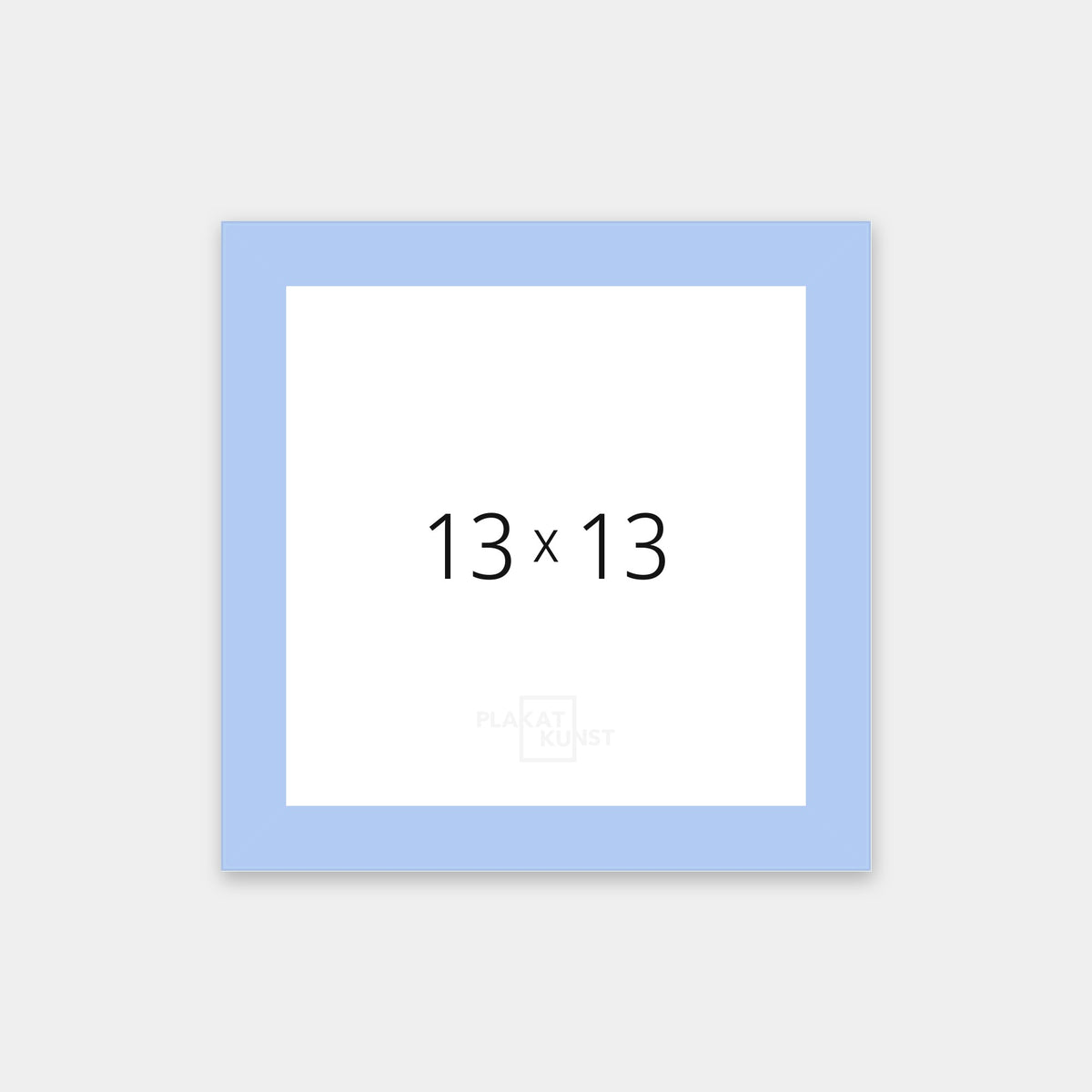
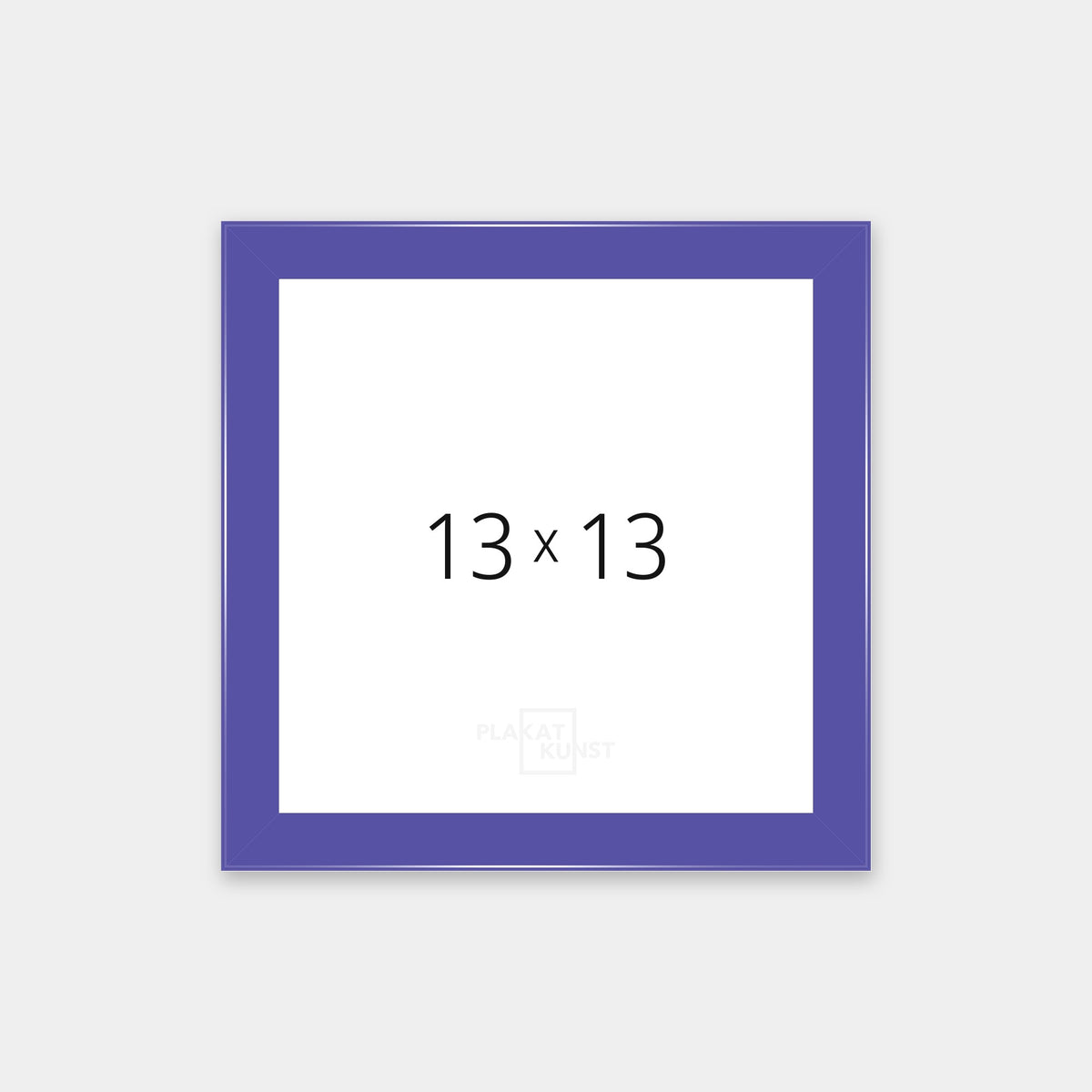
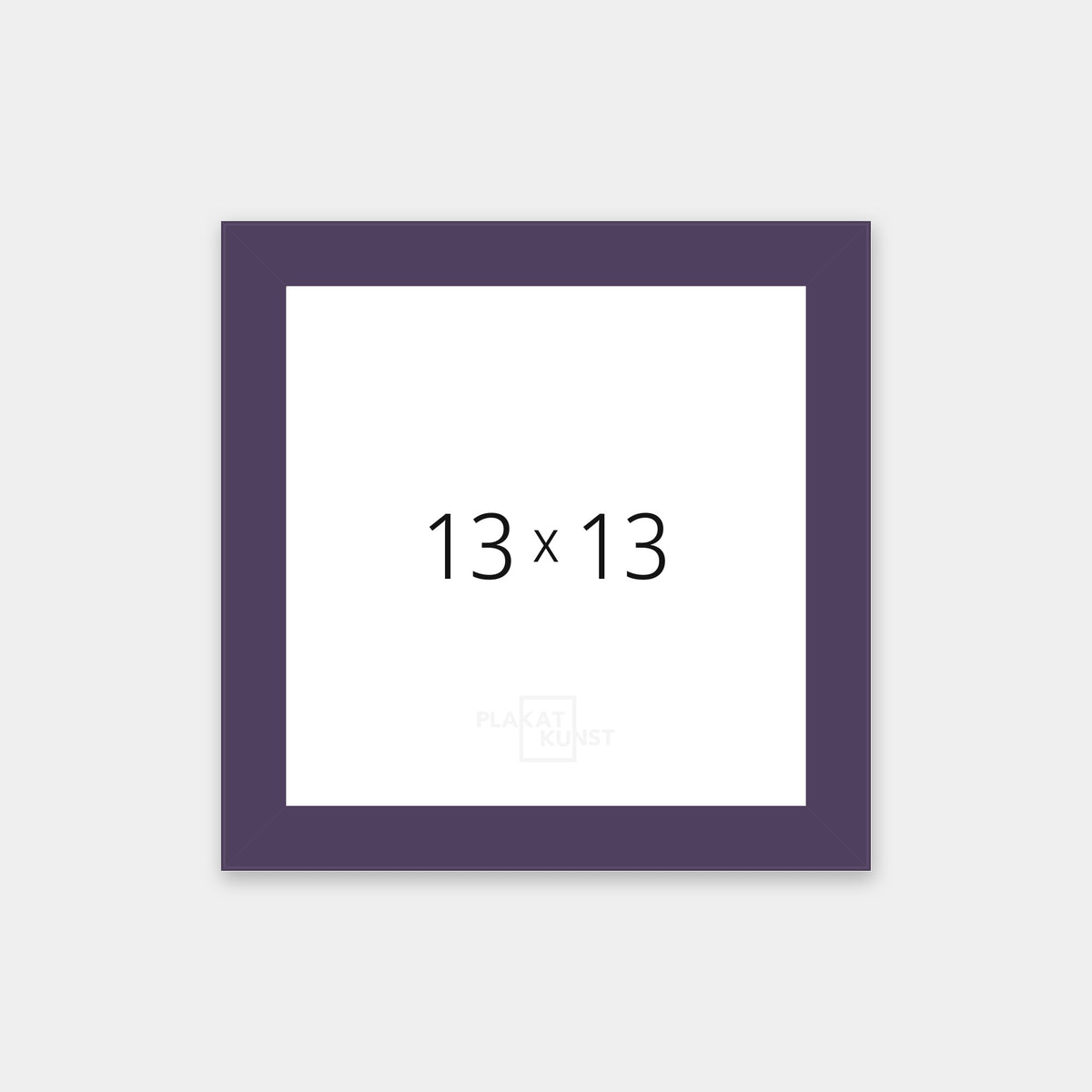
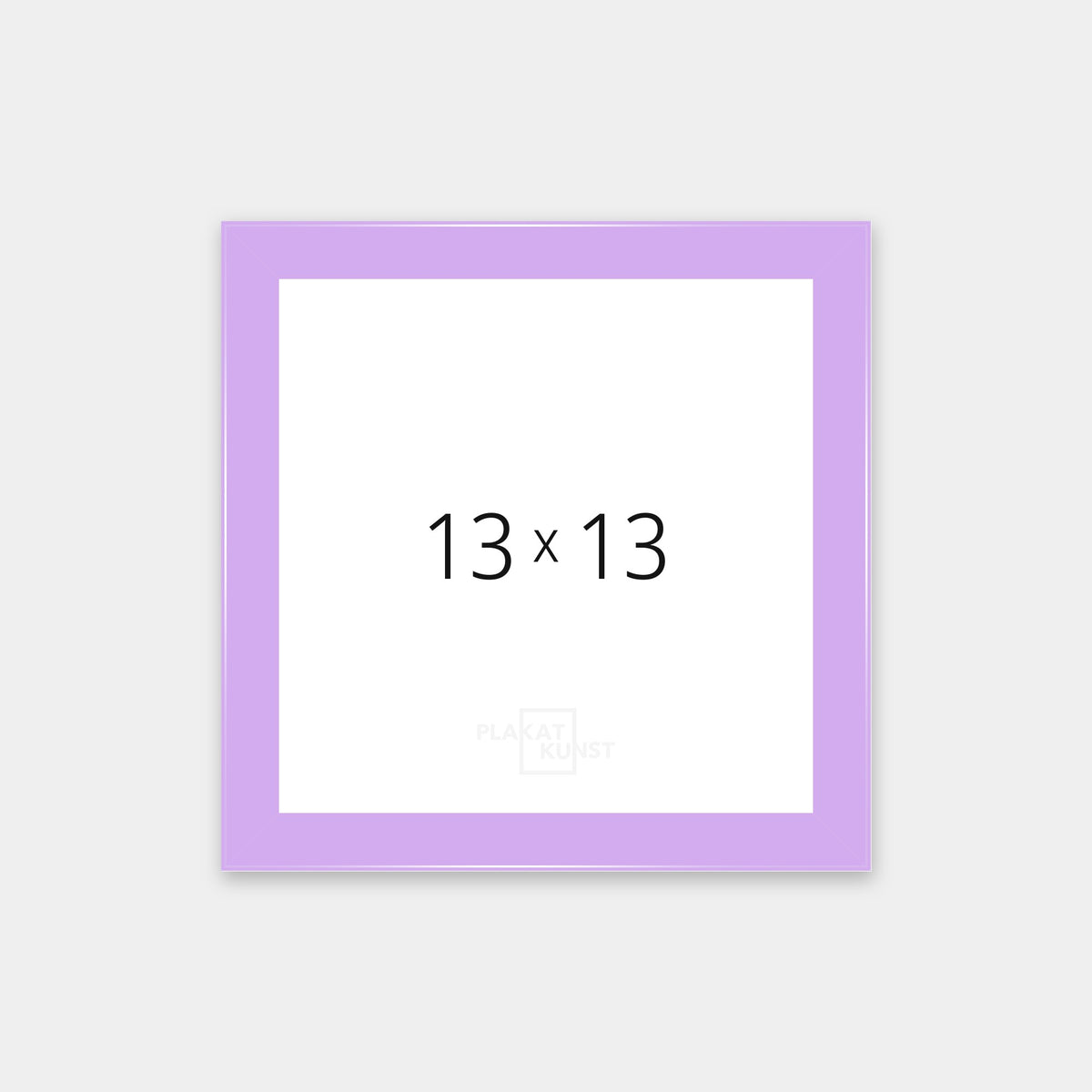
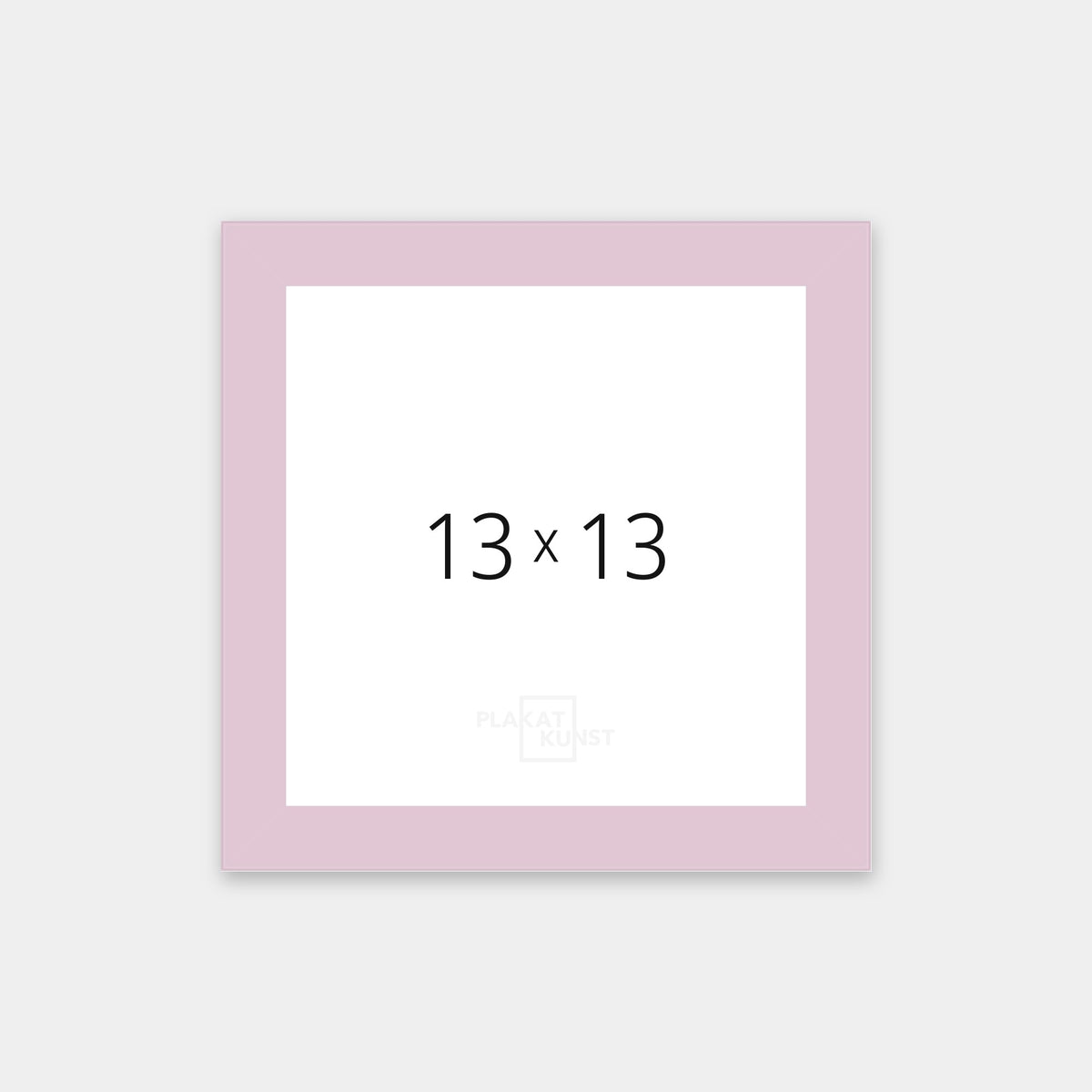
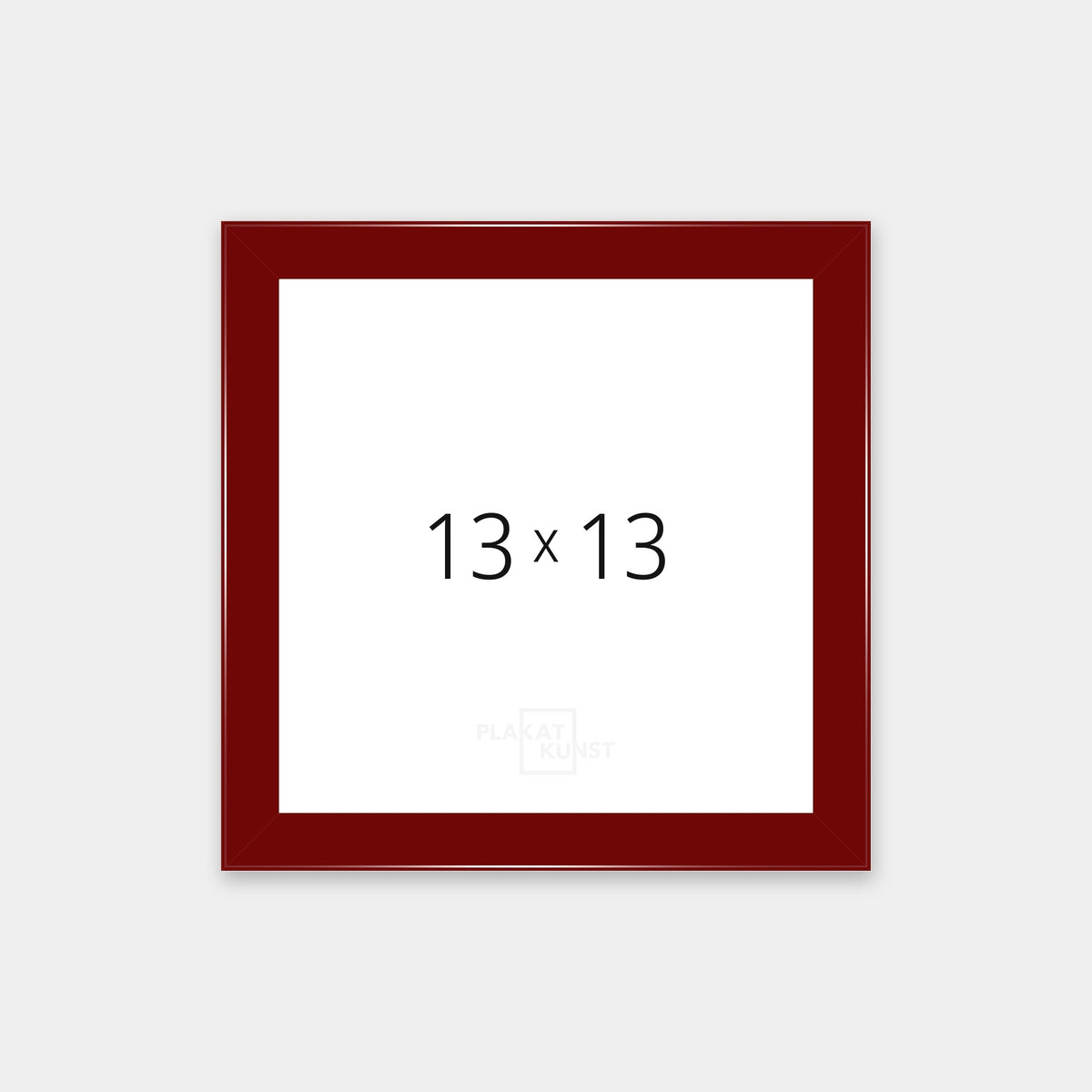
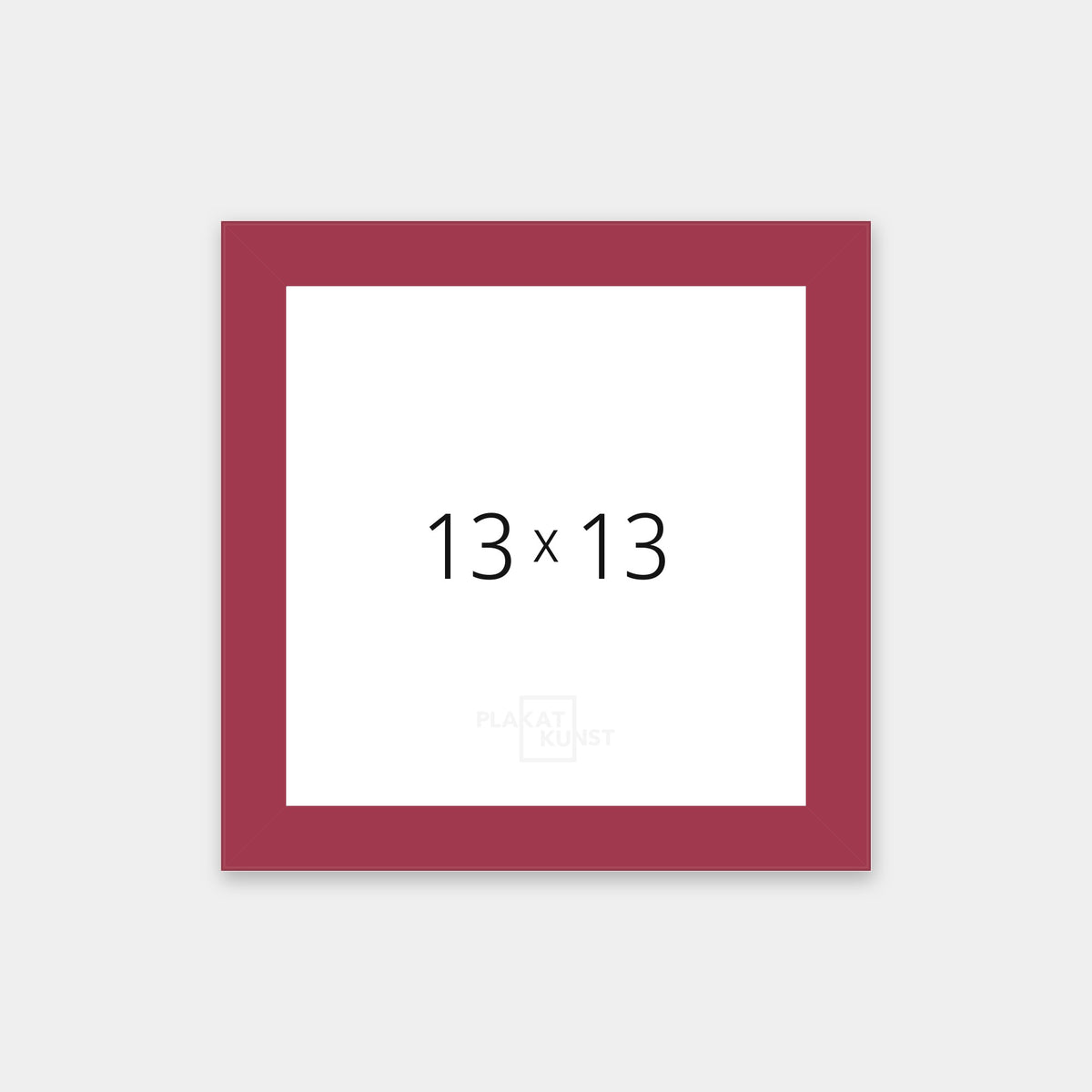
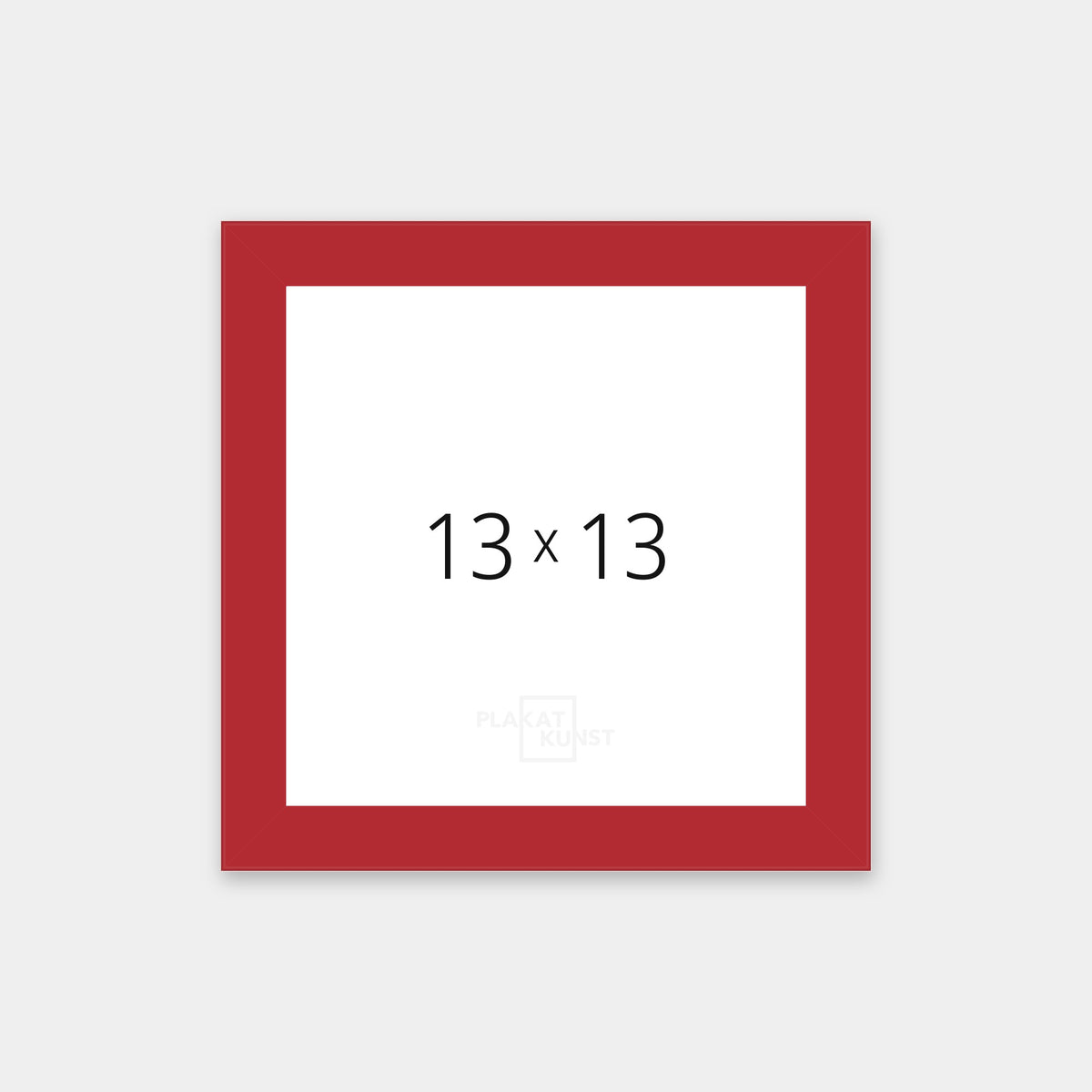
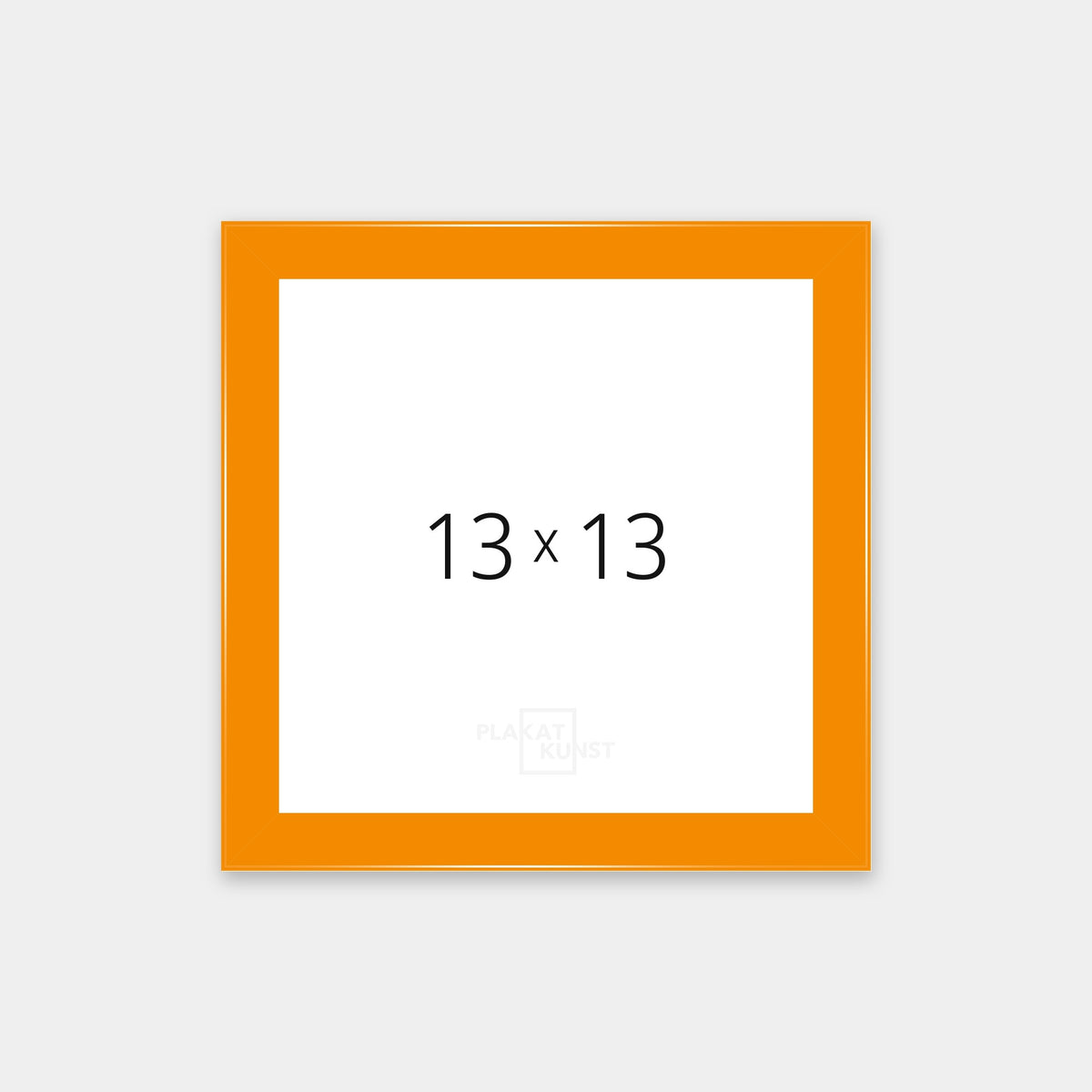
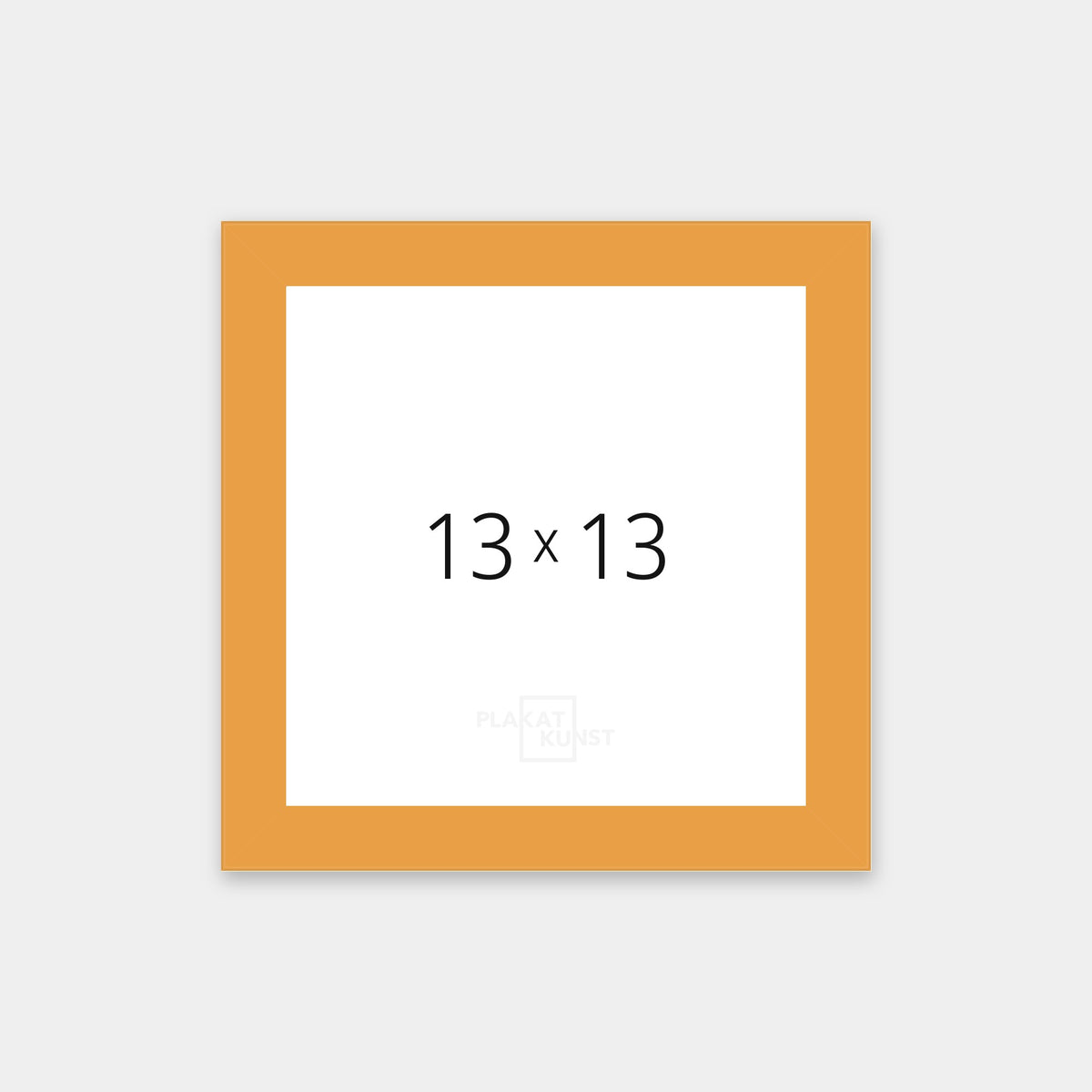
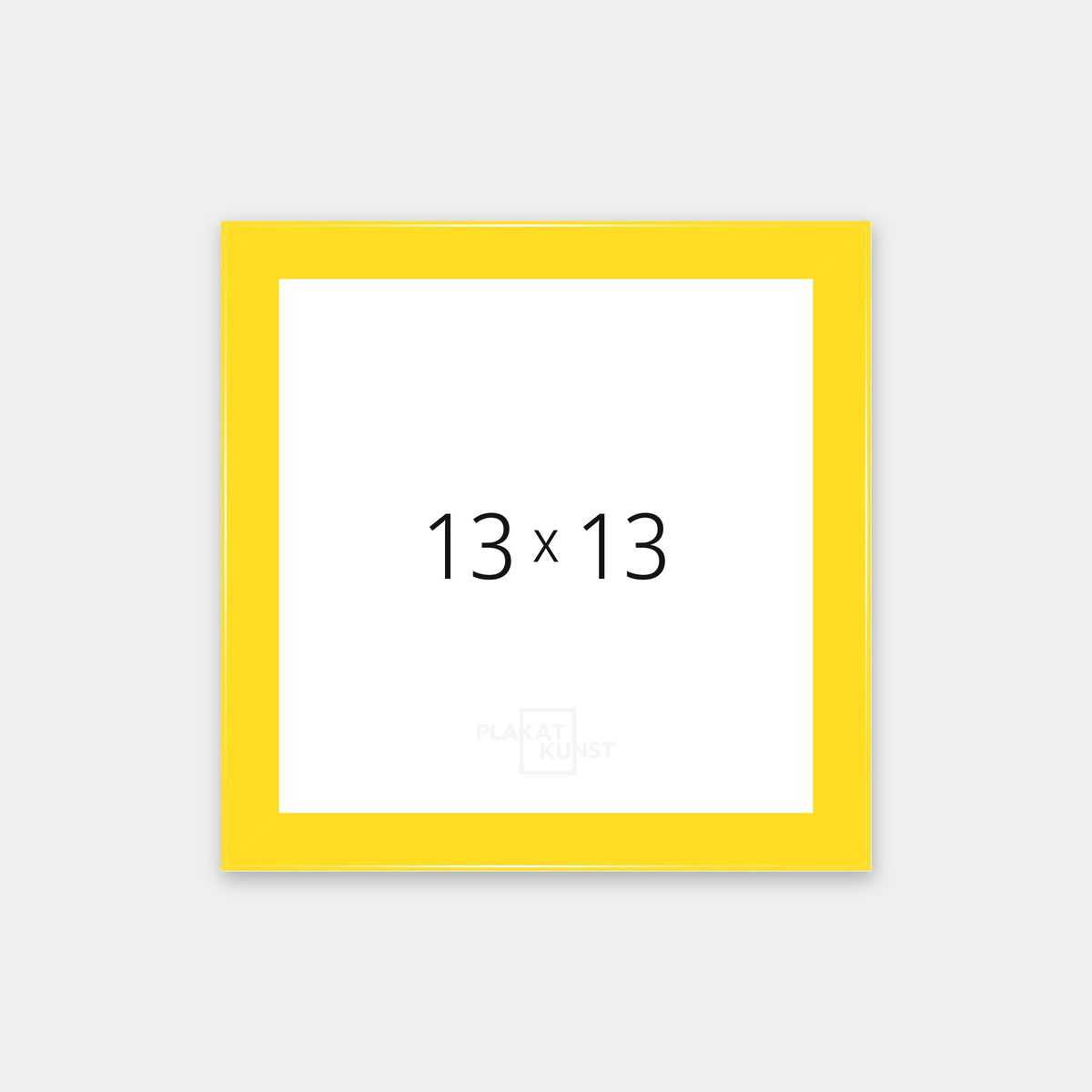
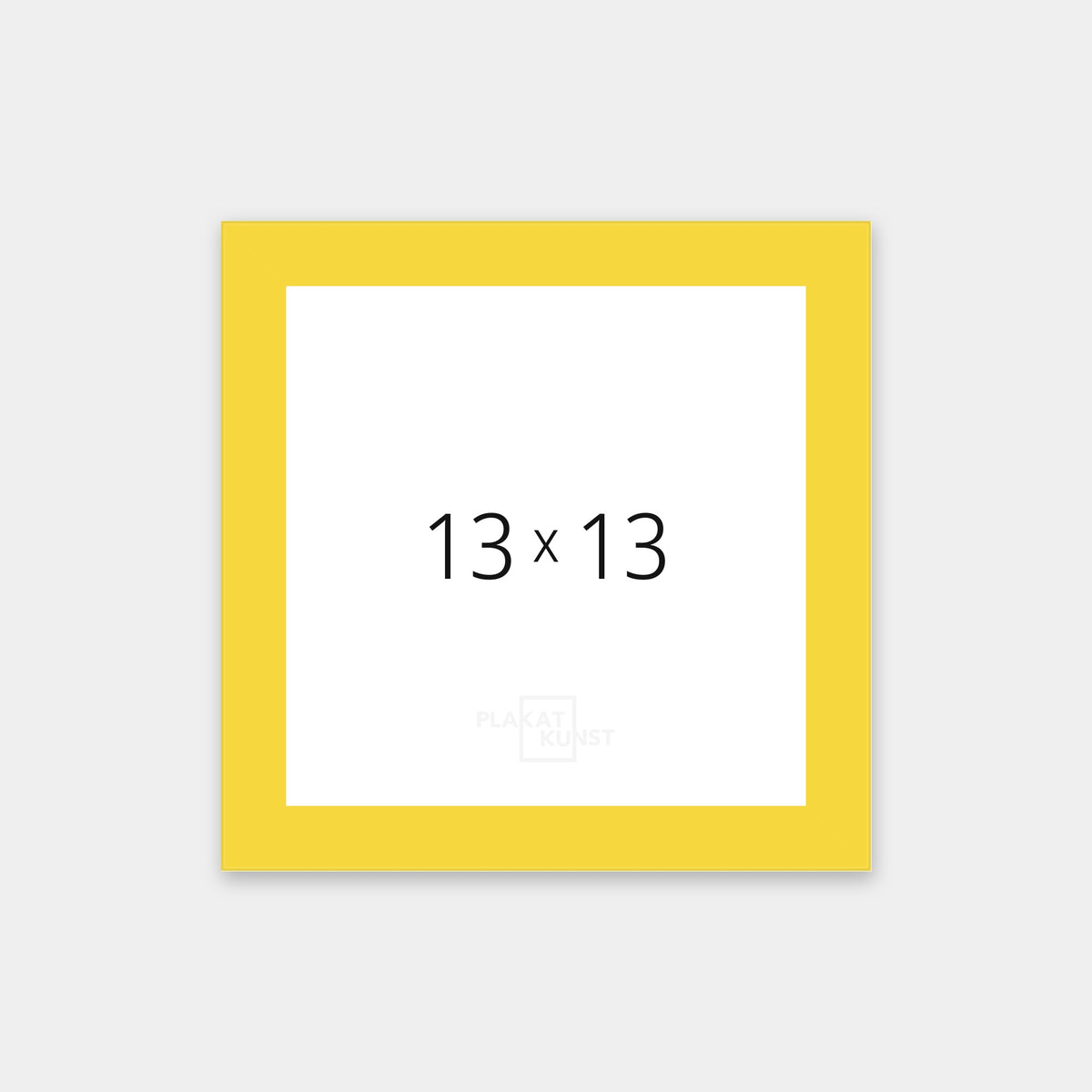
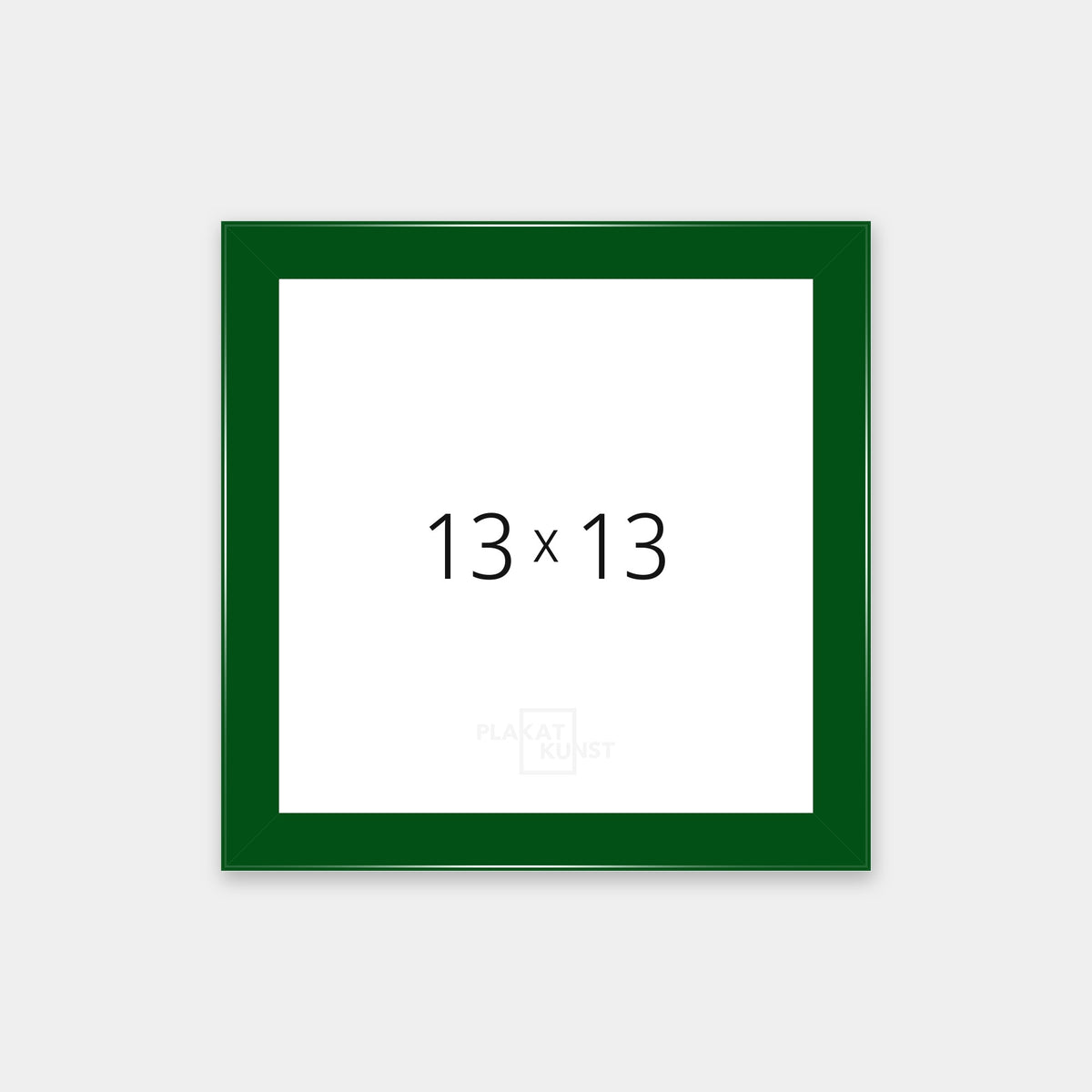
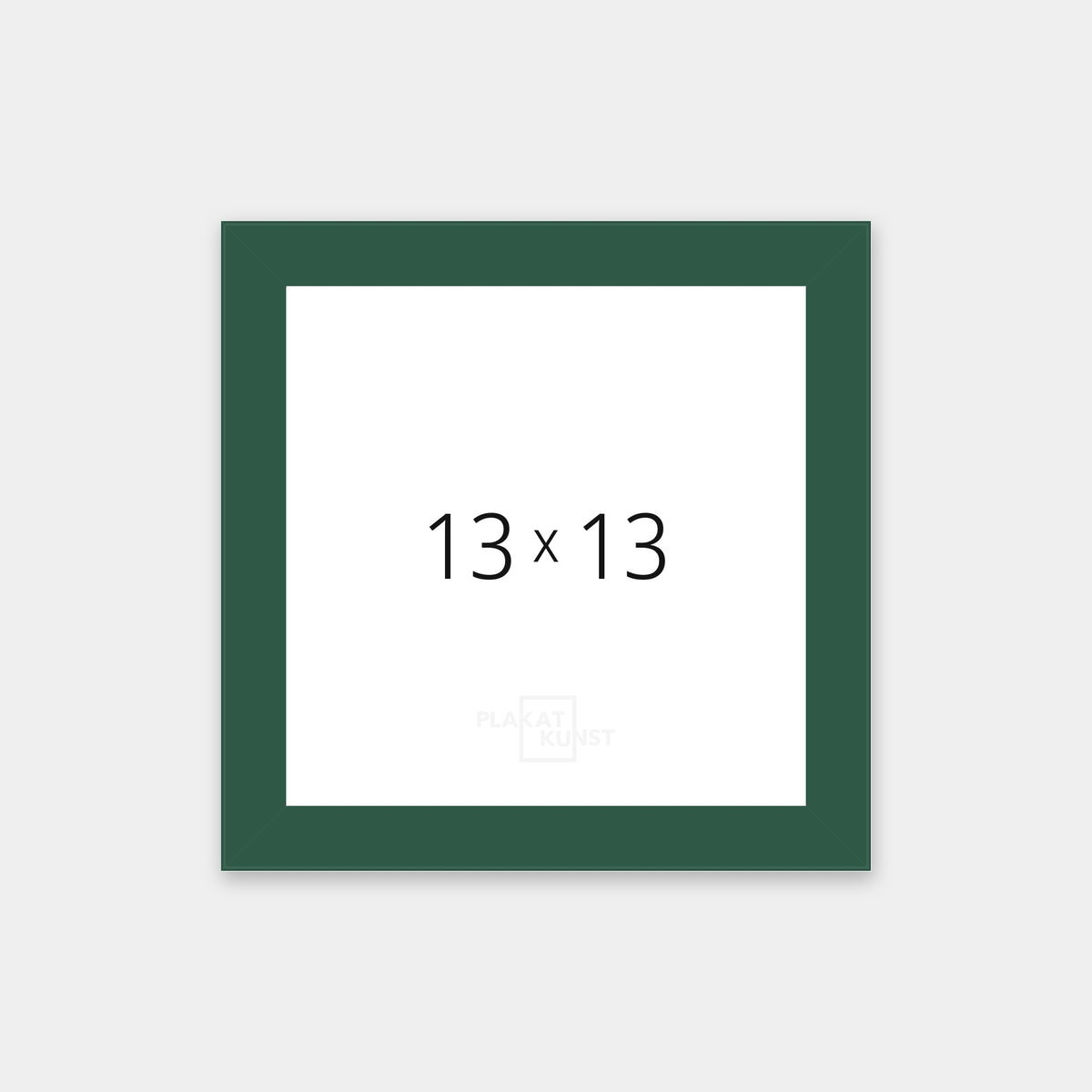
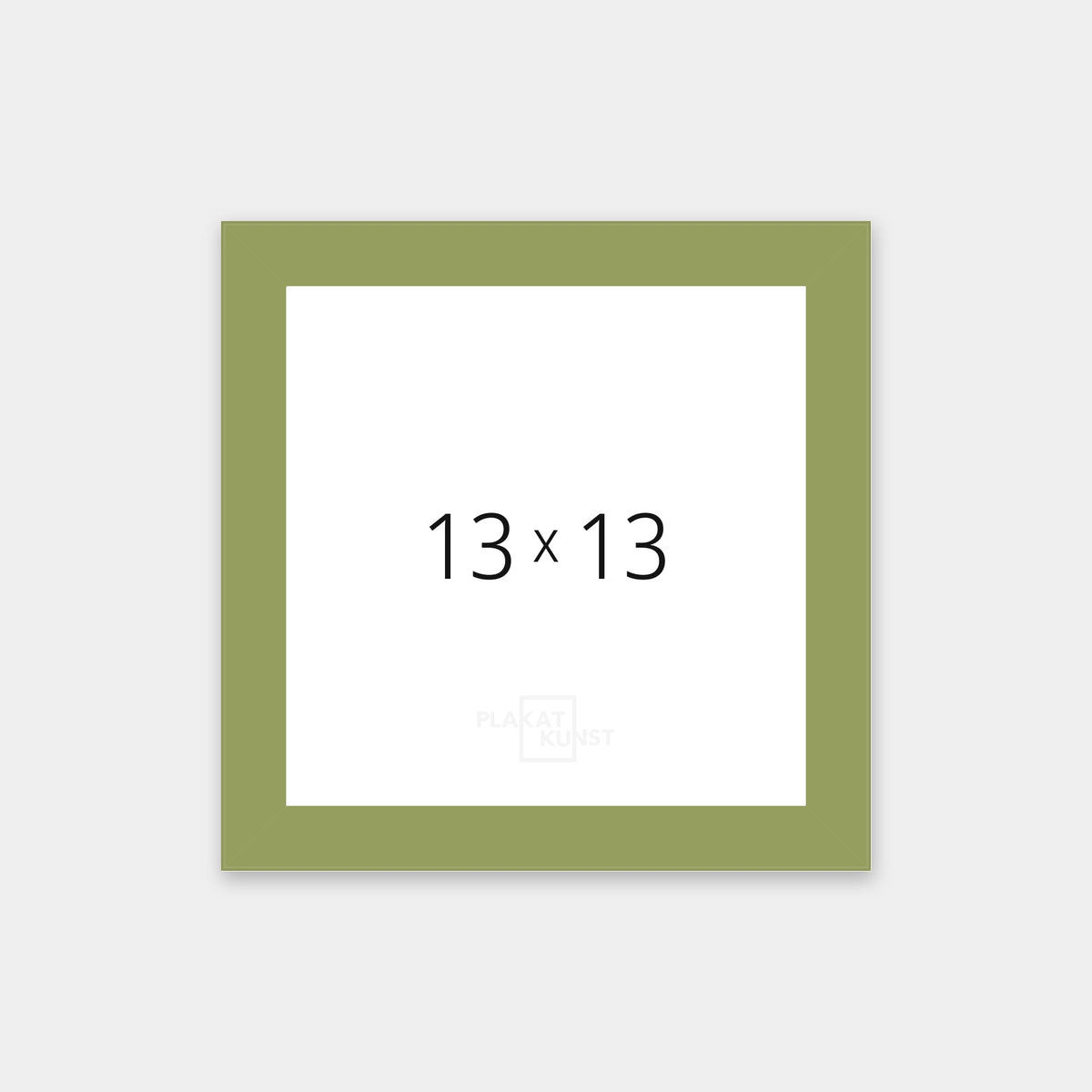
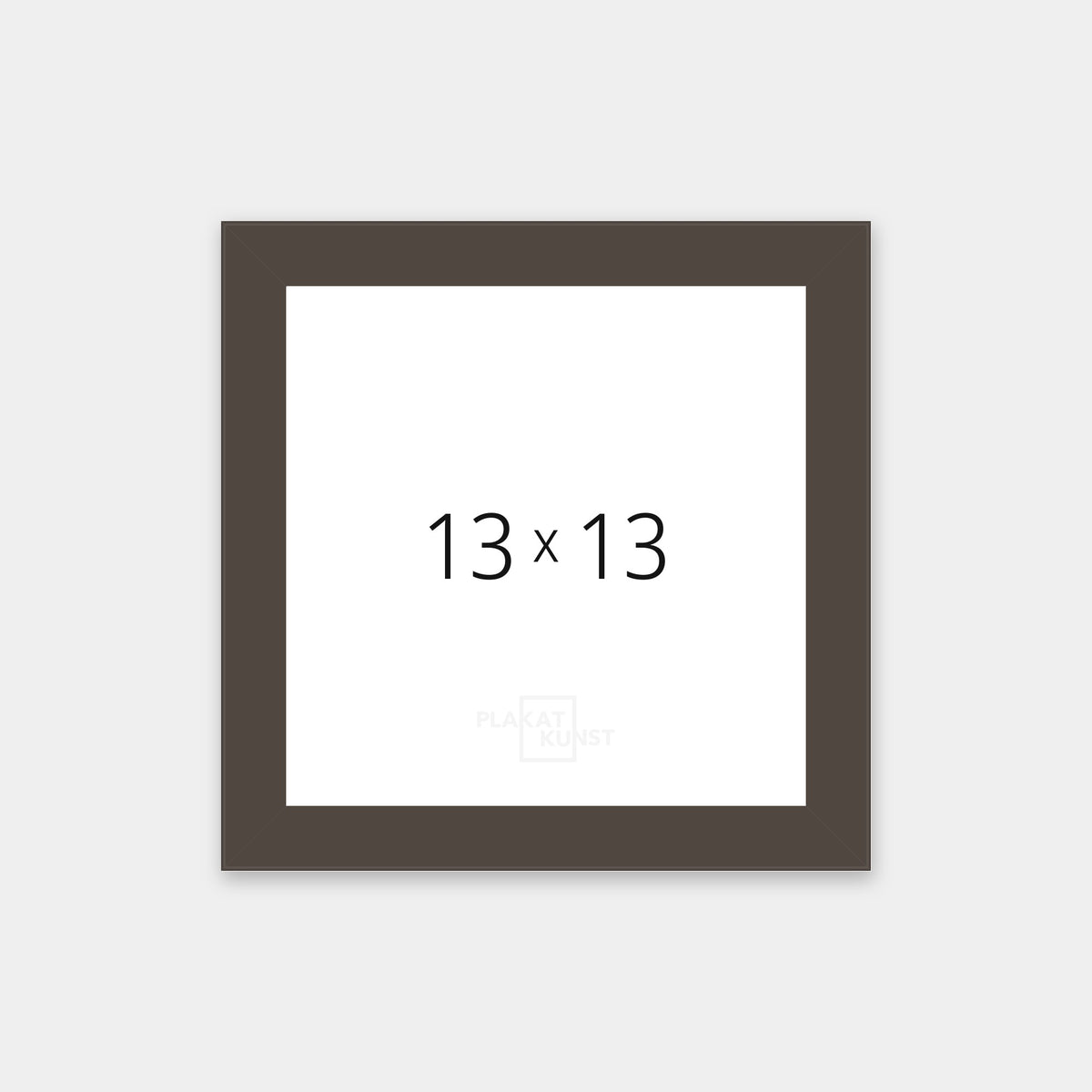
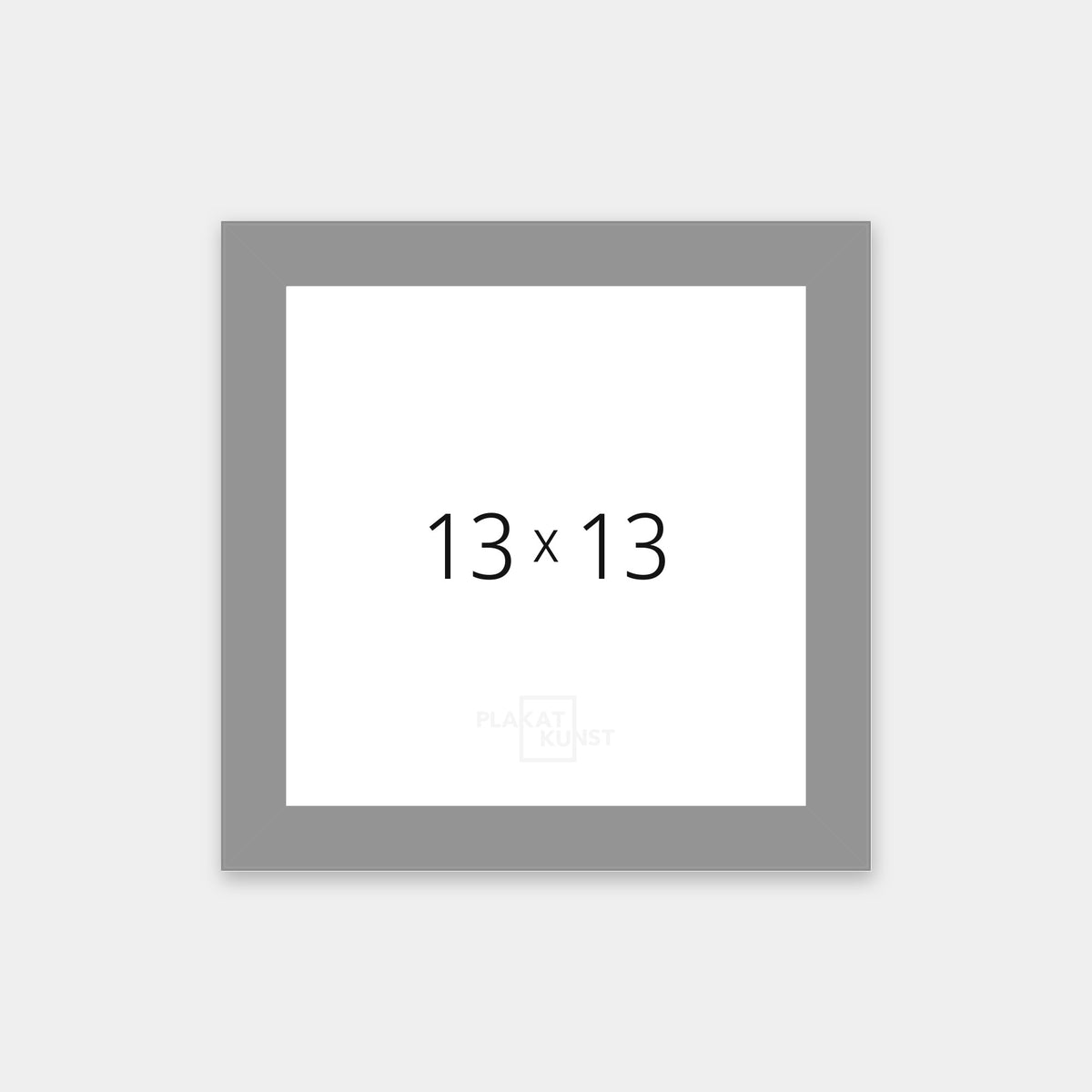
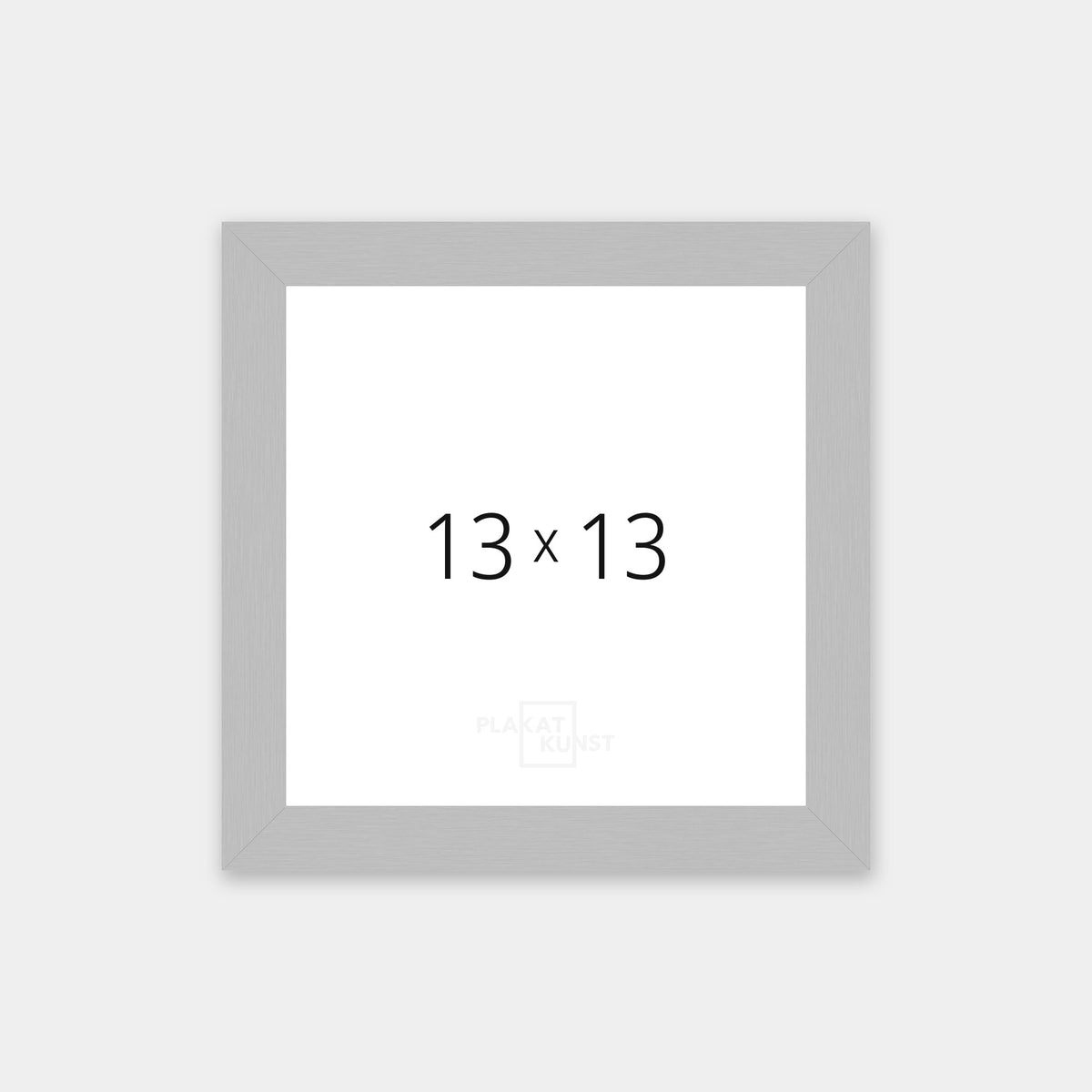
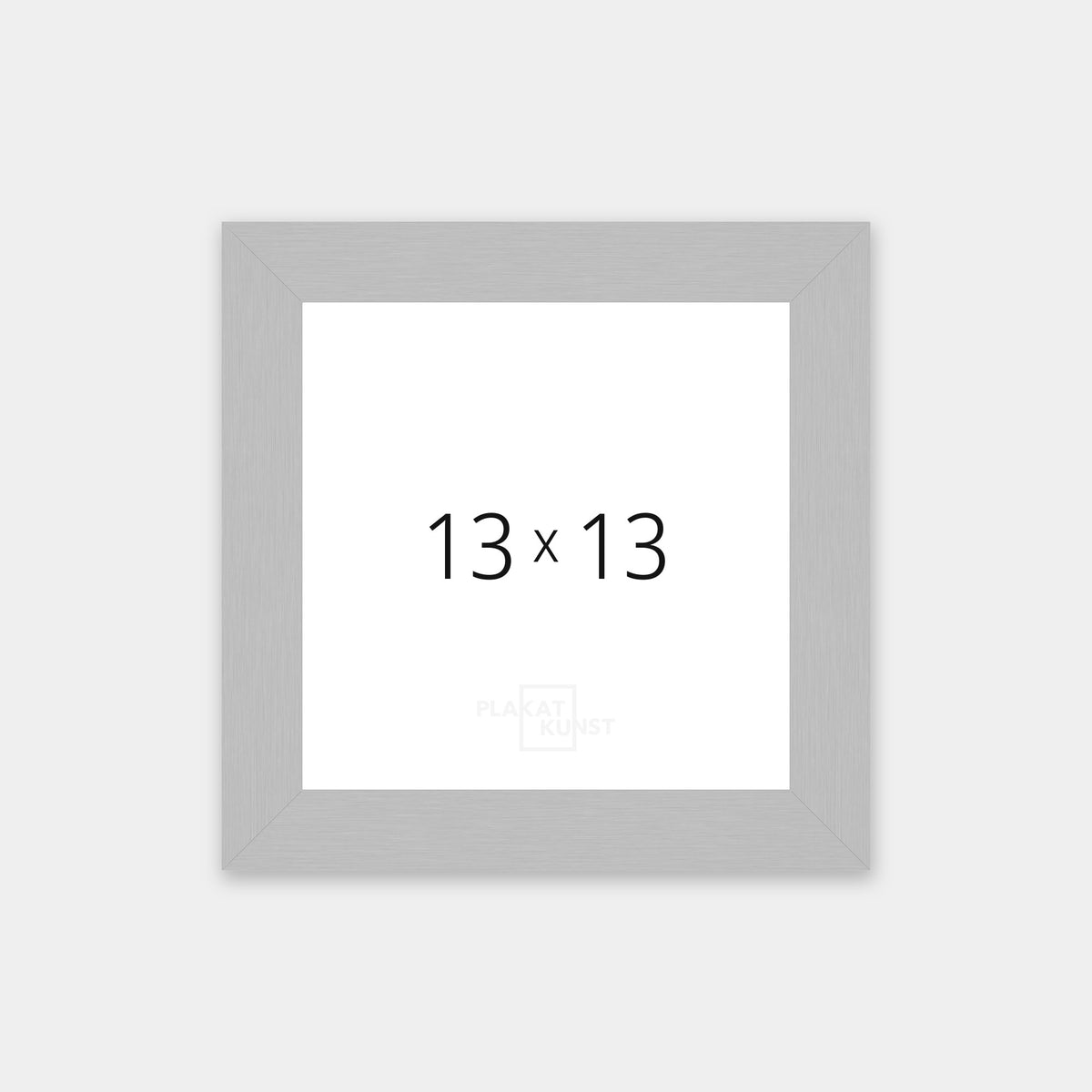
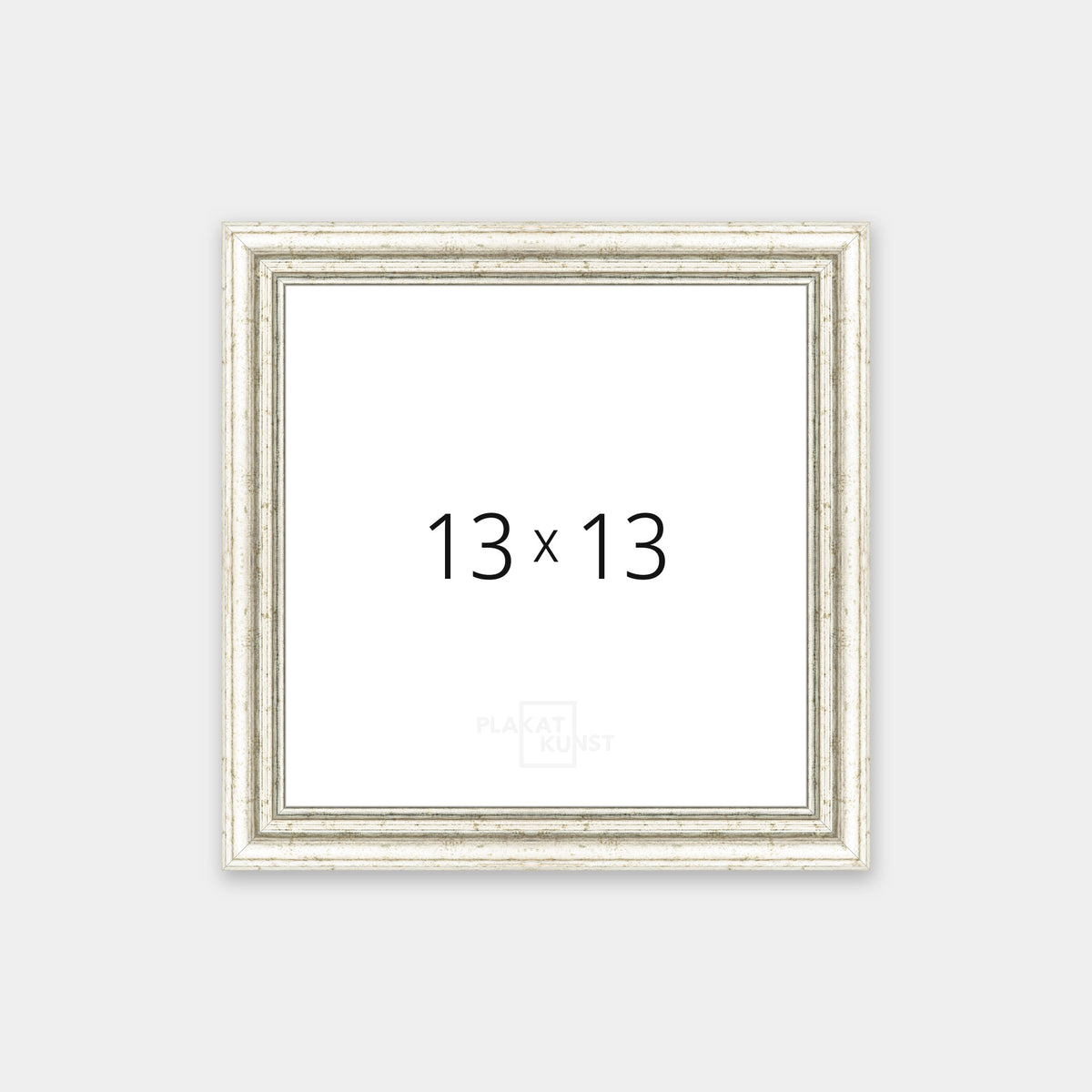
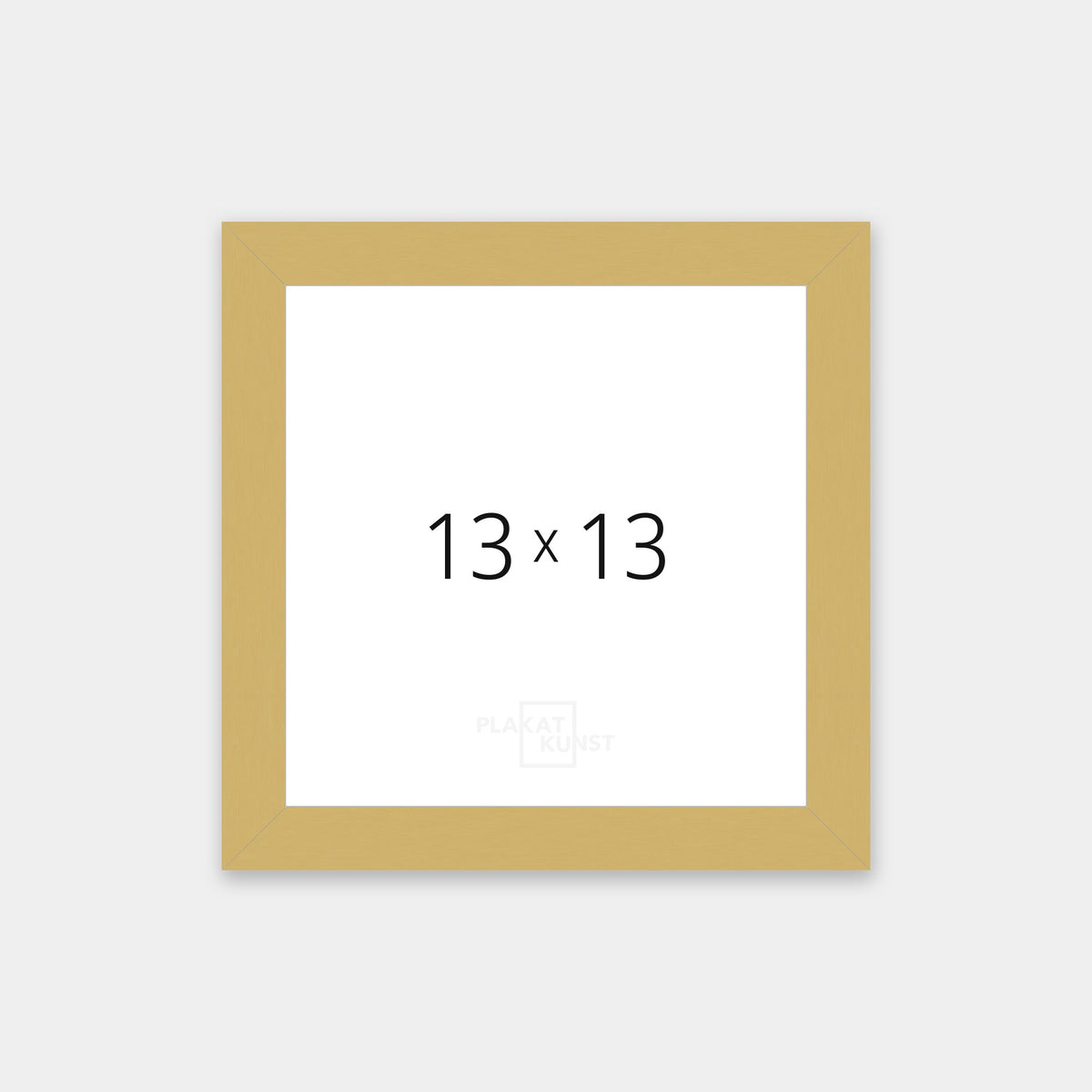
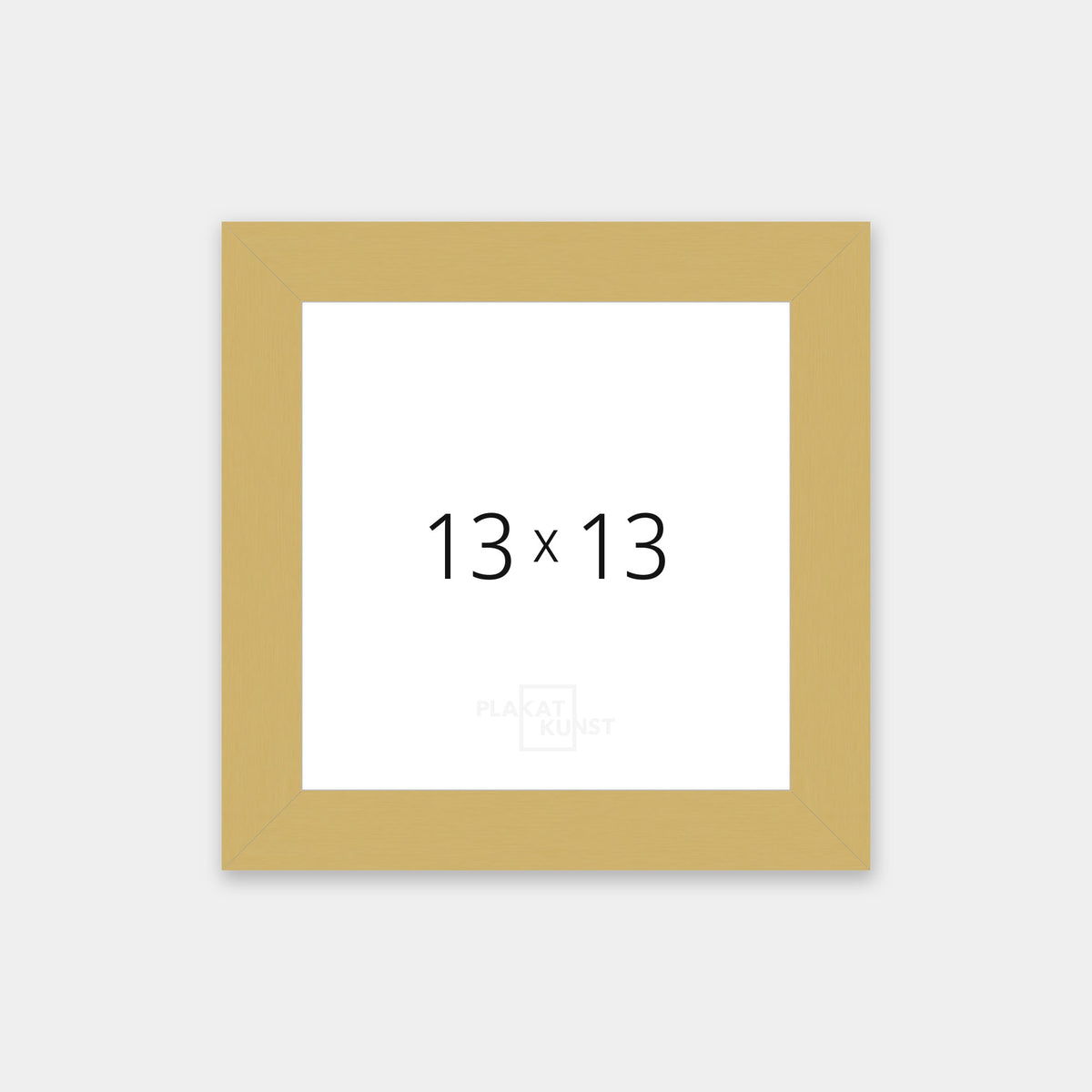
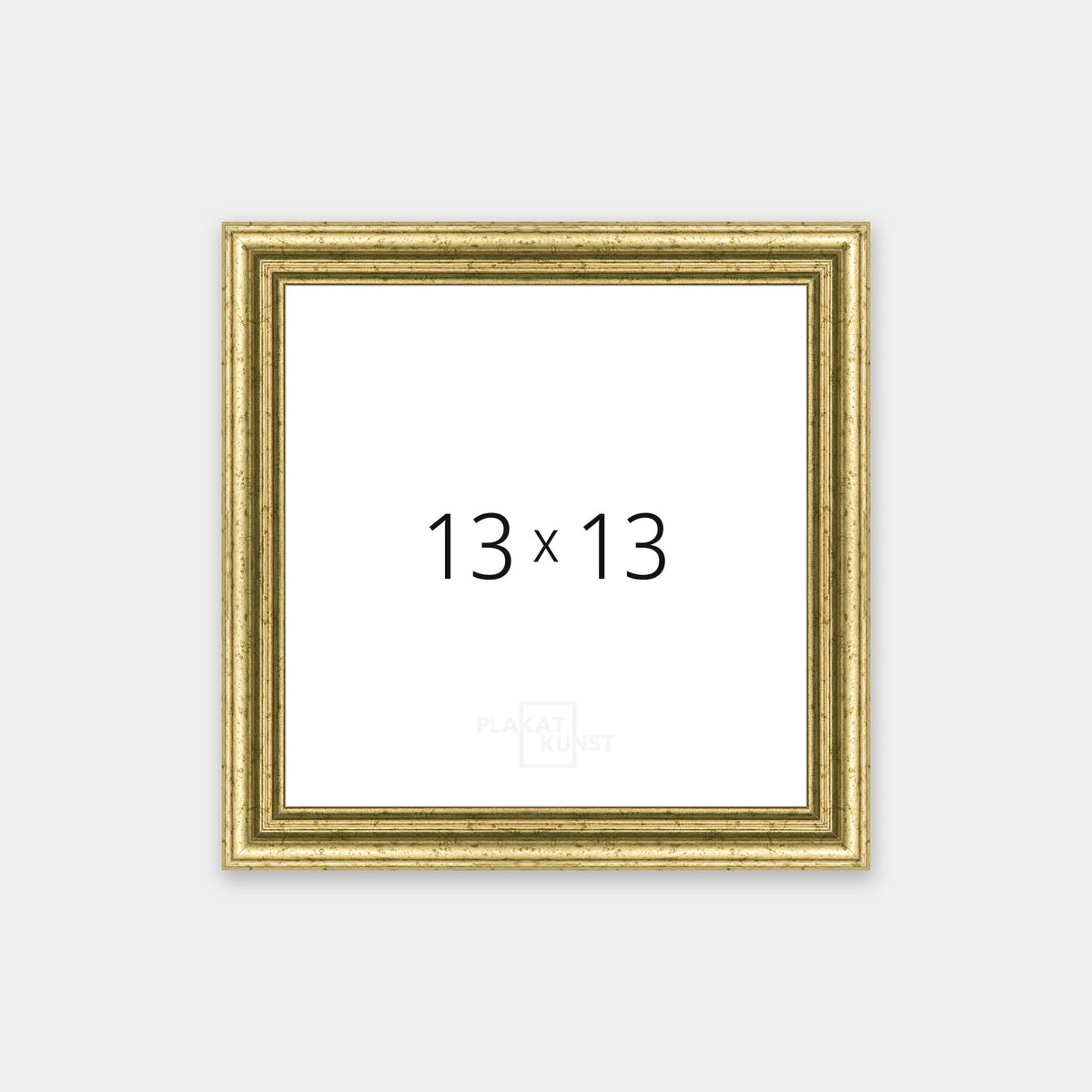
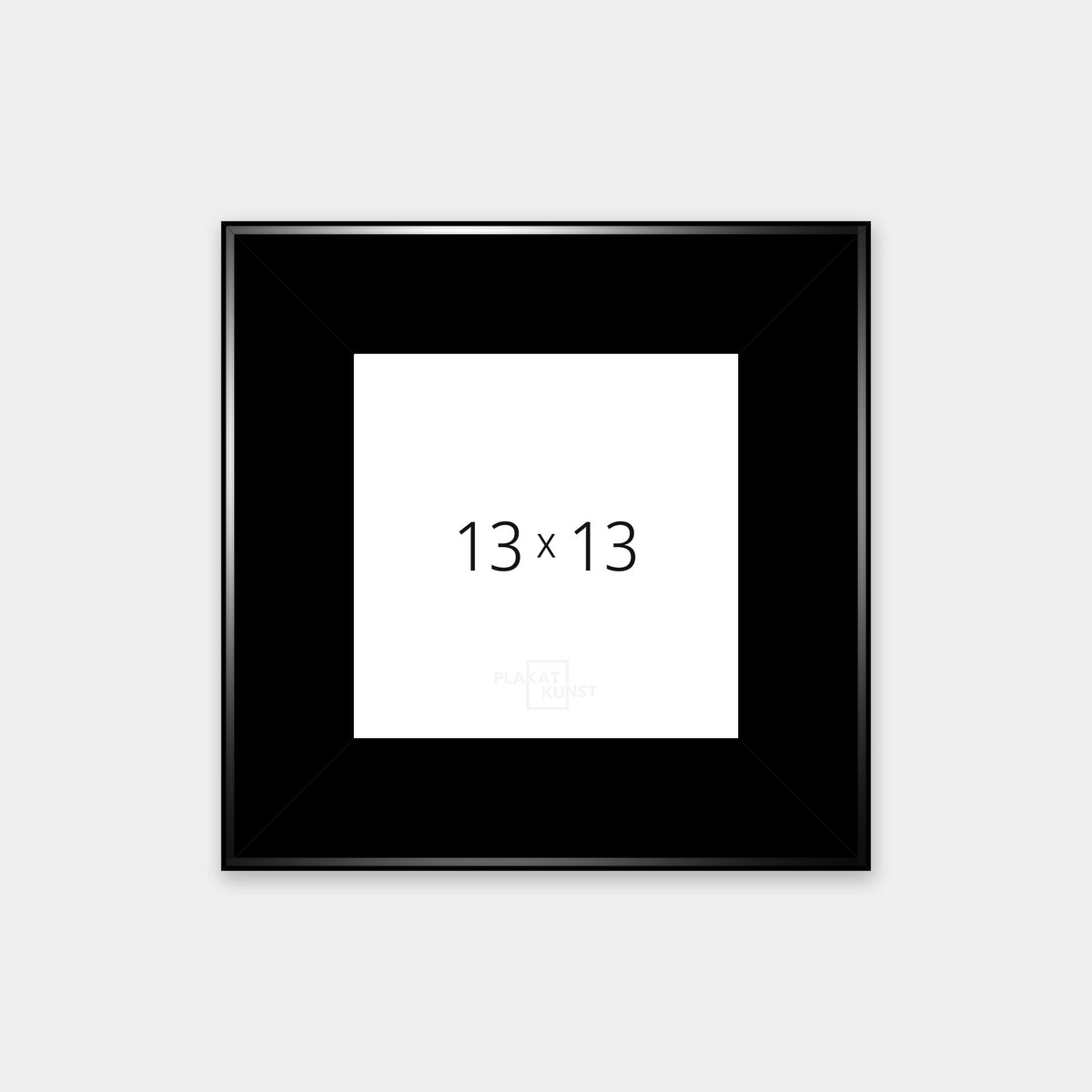
The square format has a built-in calm, because no side dominates. A 13×13 cm frame is slightly larger than the smallest sizes and gives a square photo or art card a little more presence on the wall.
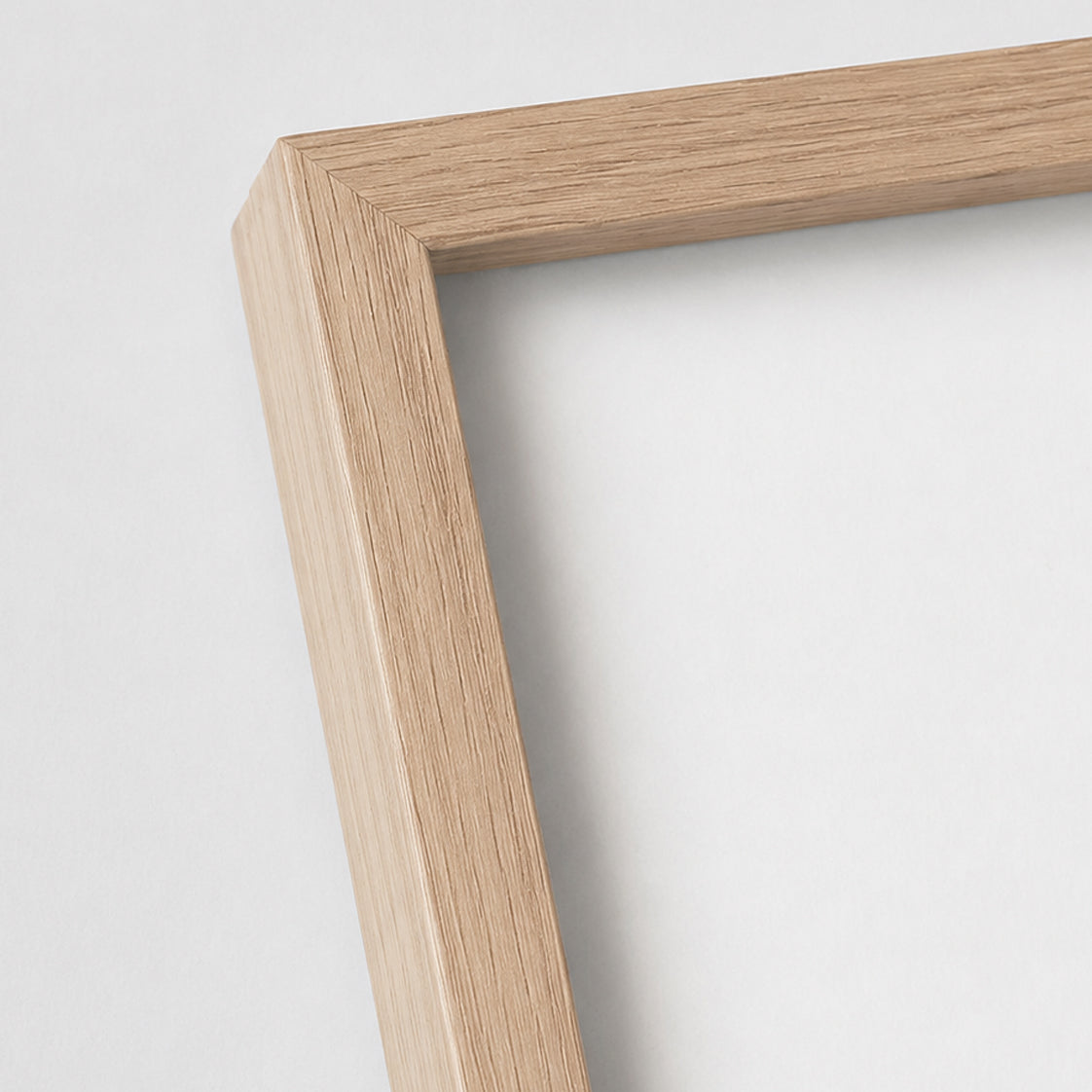
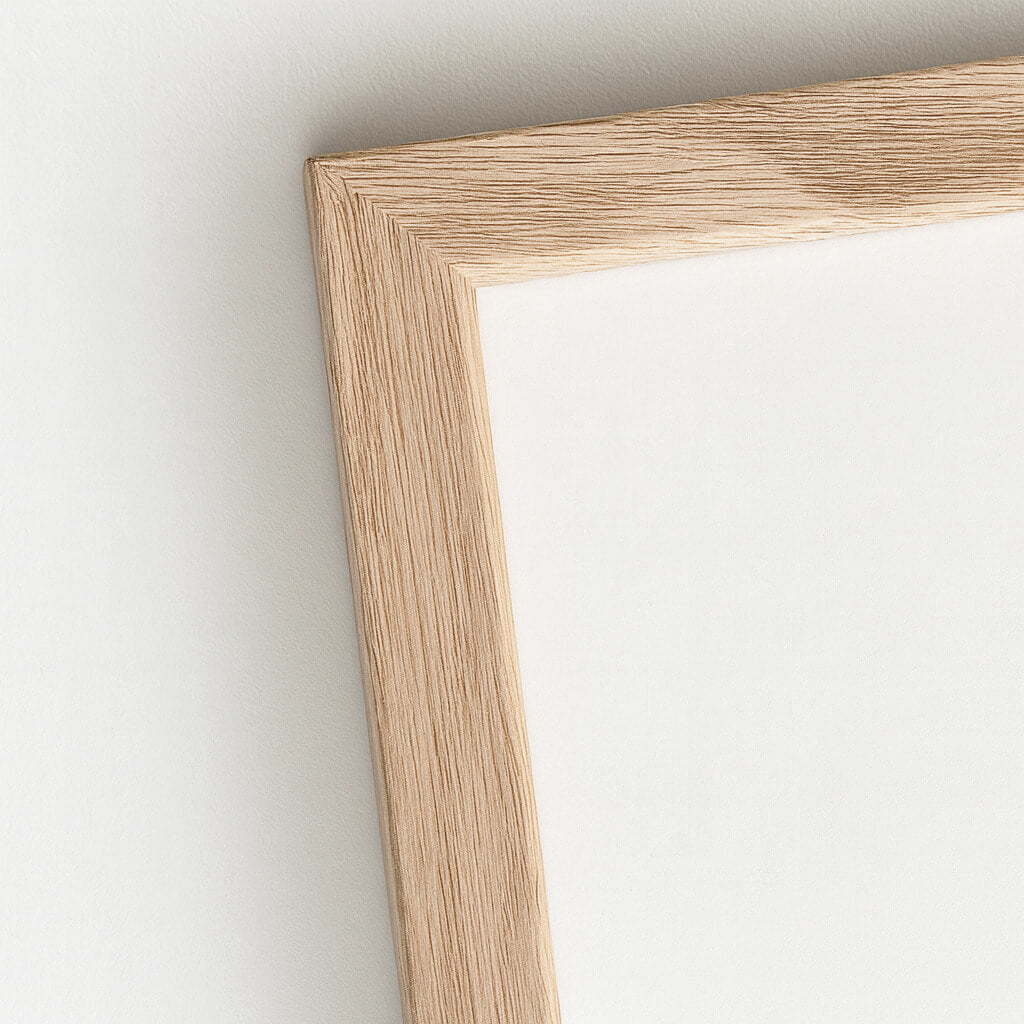
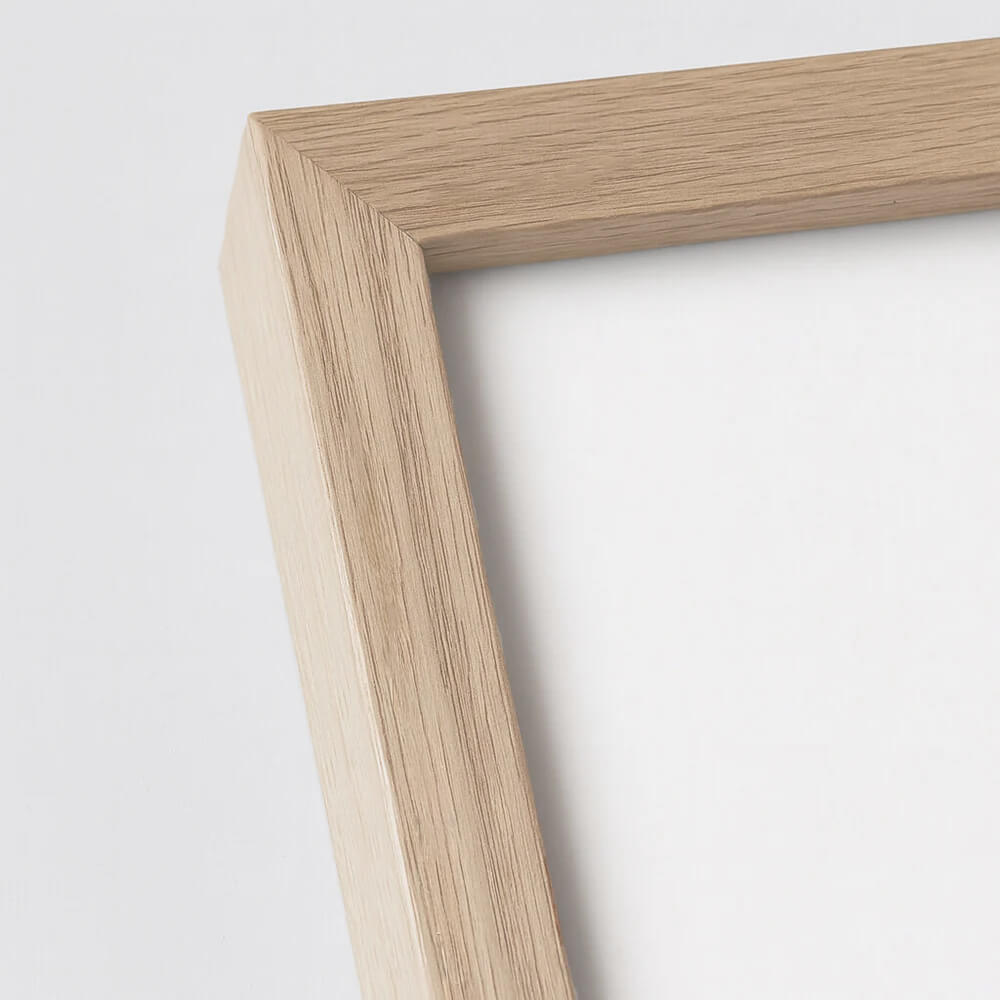
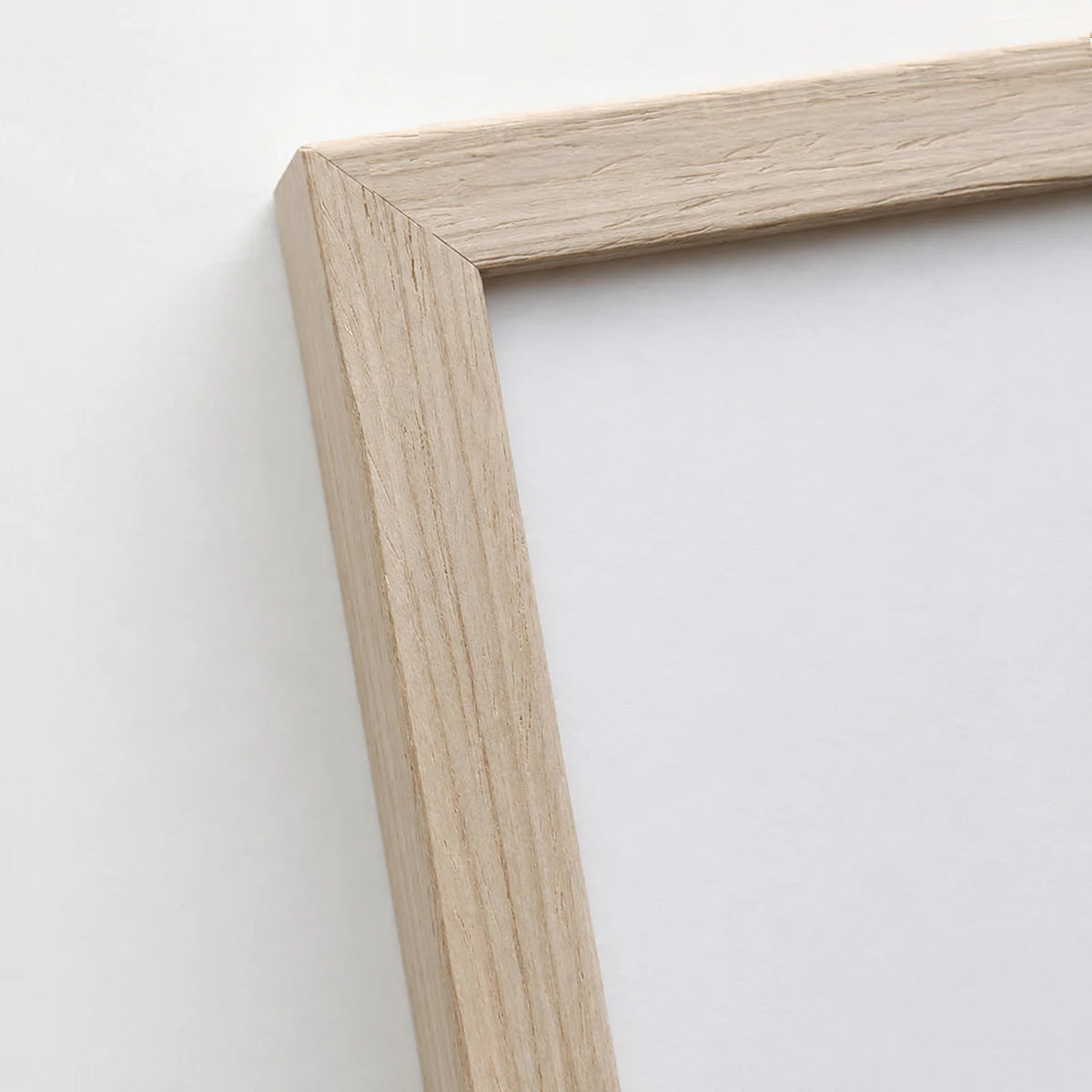
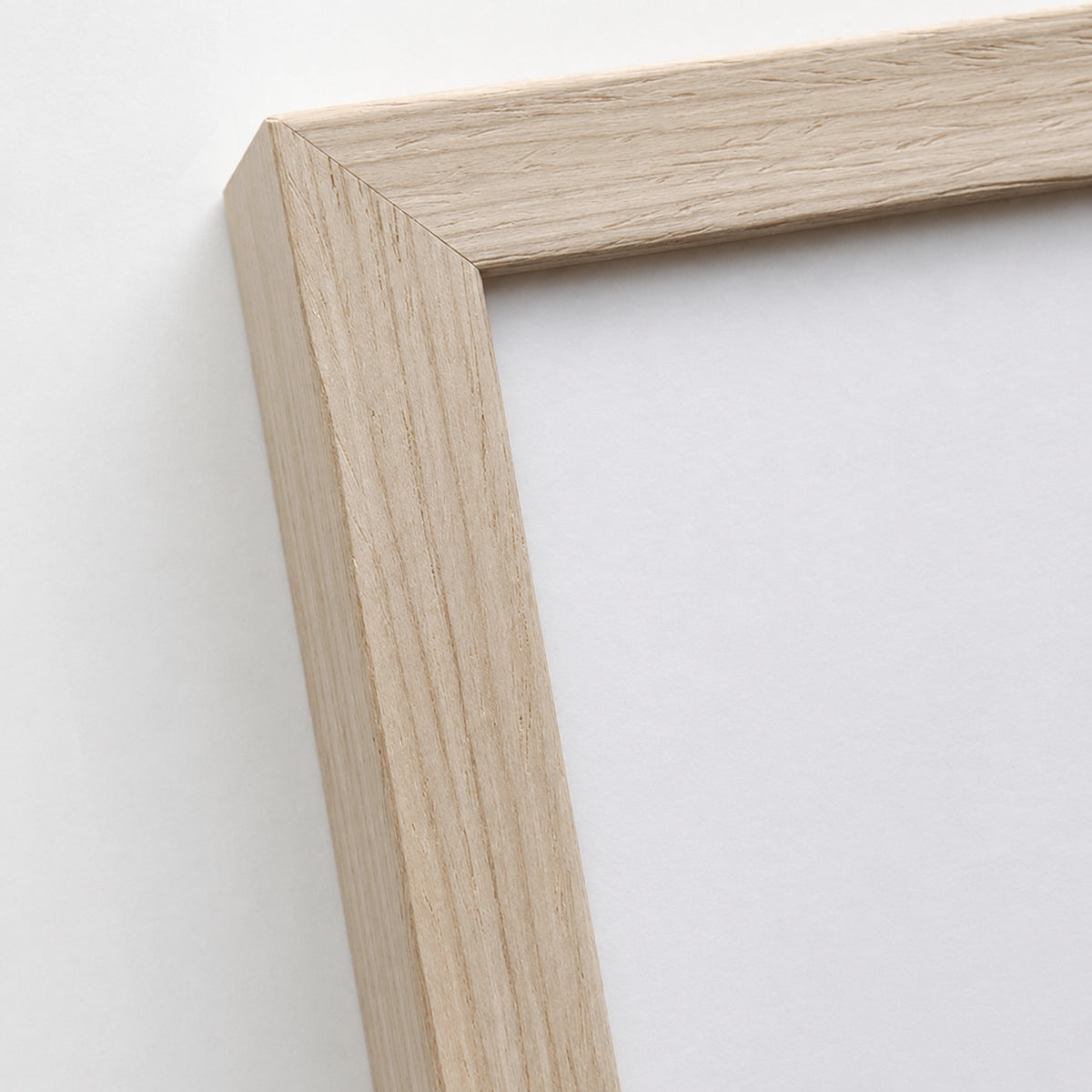
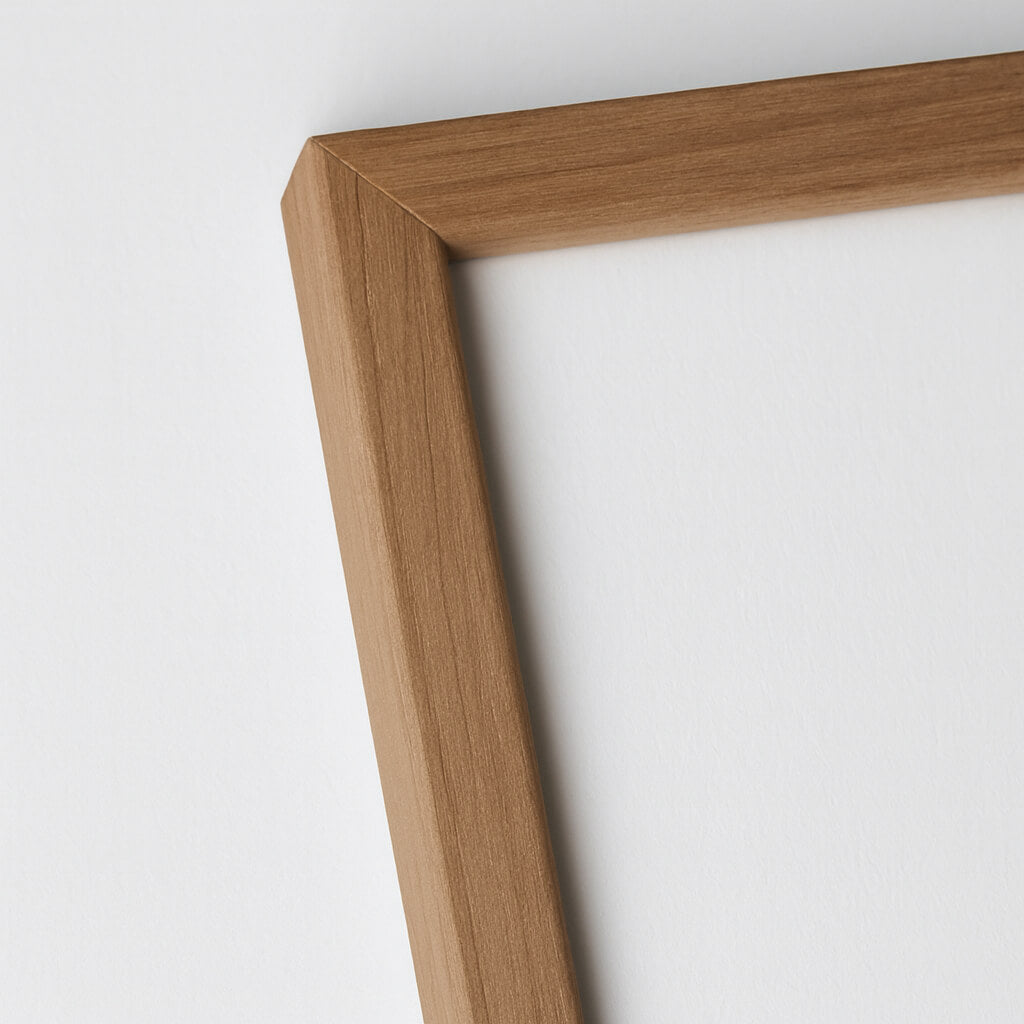
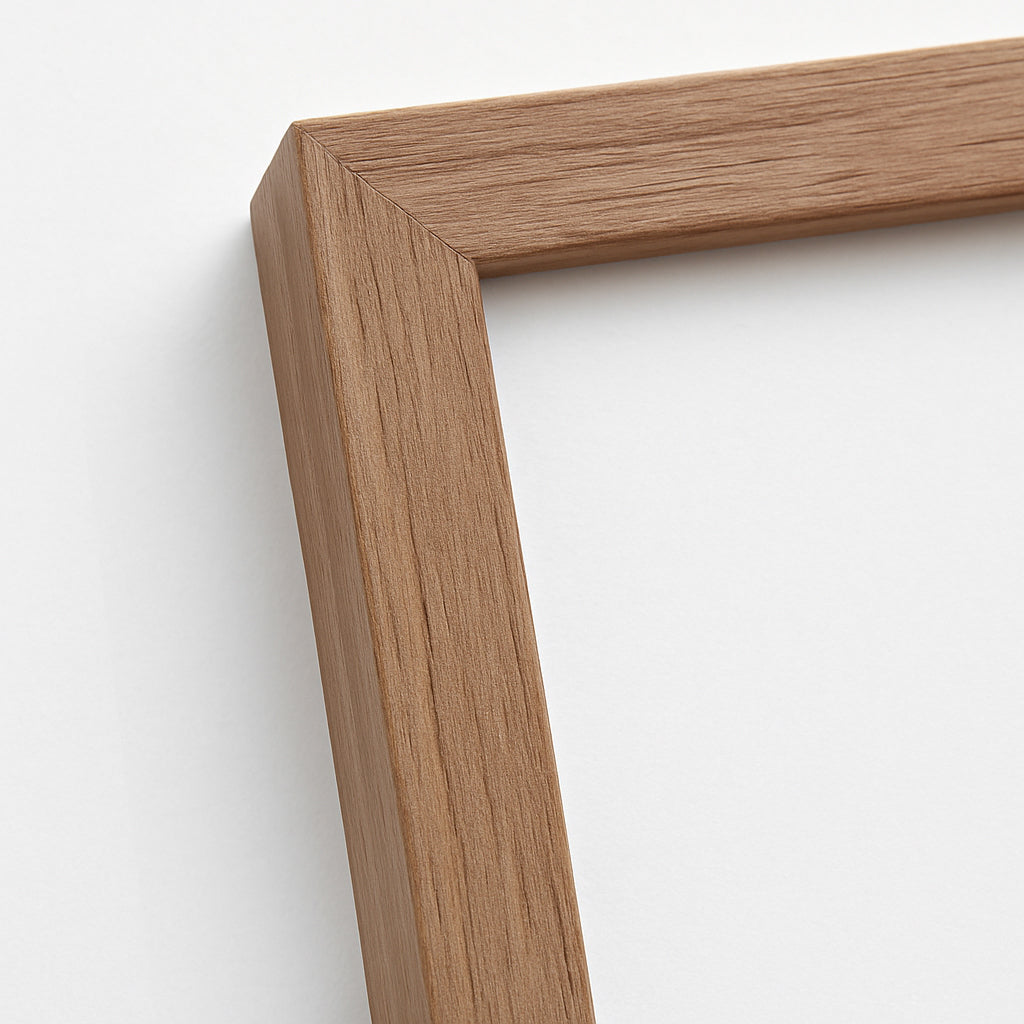
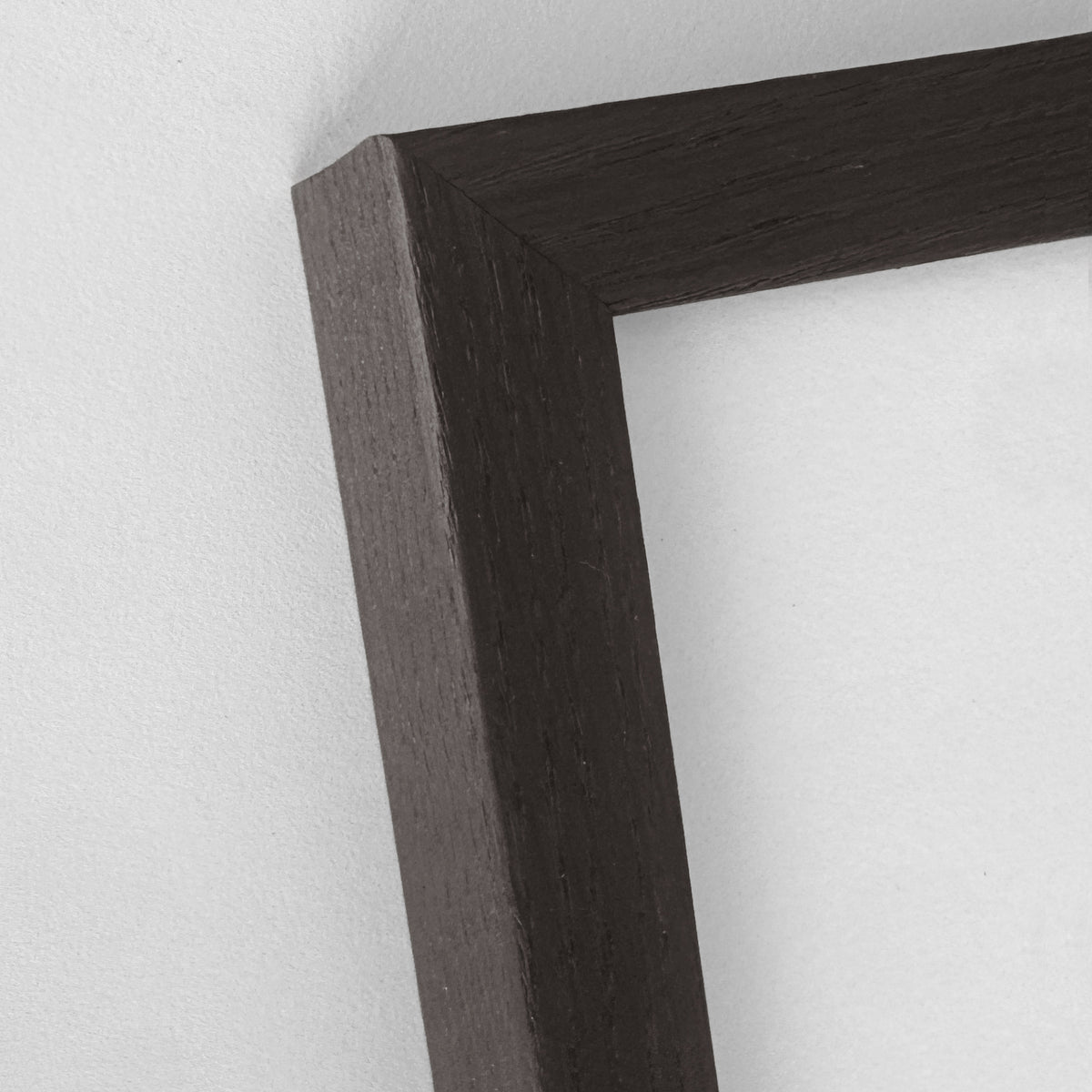
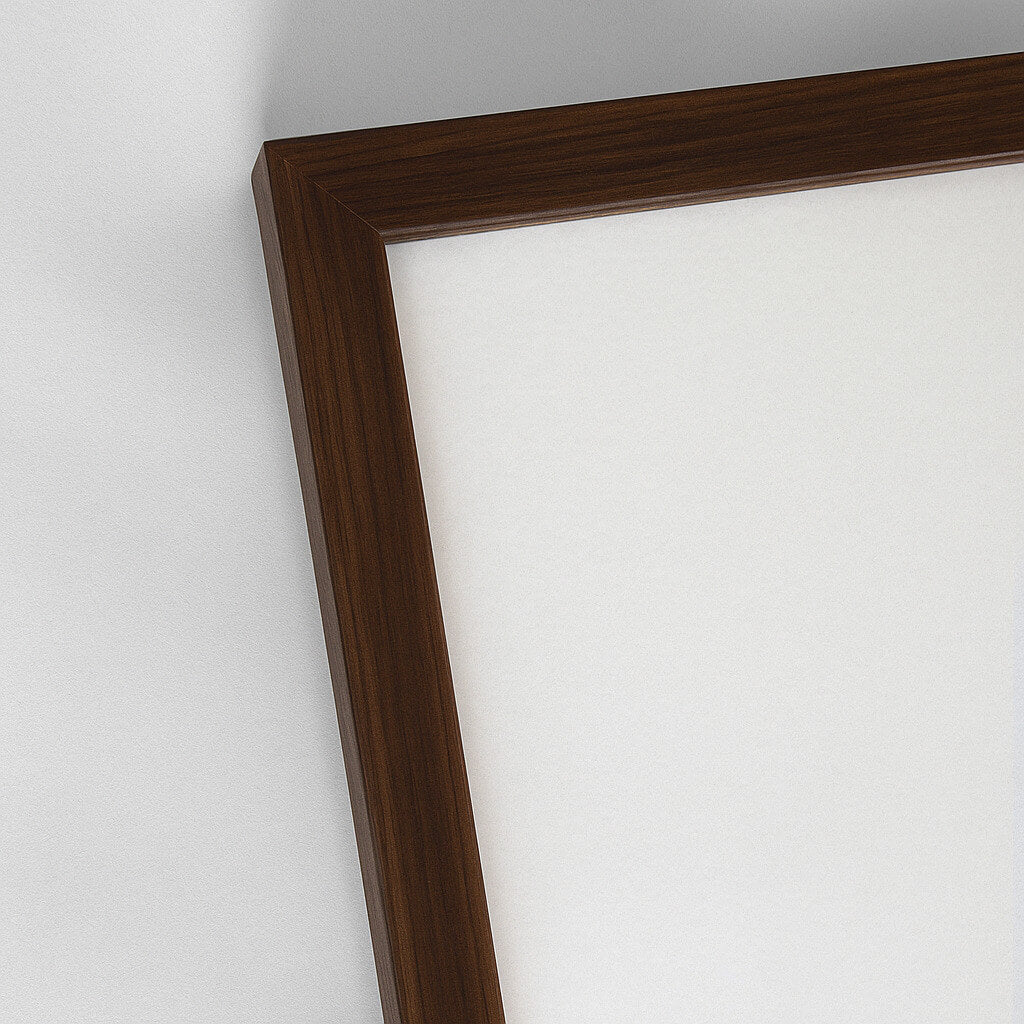
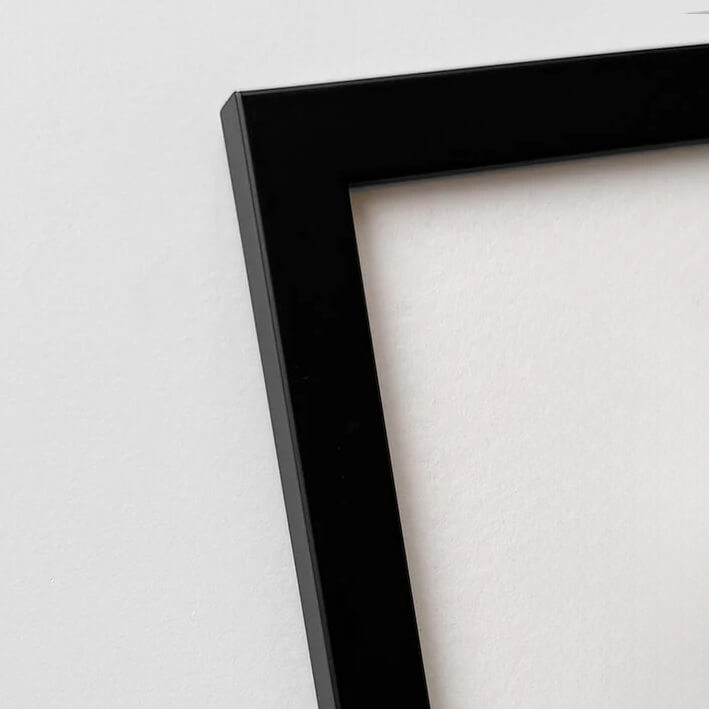
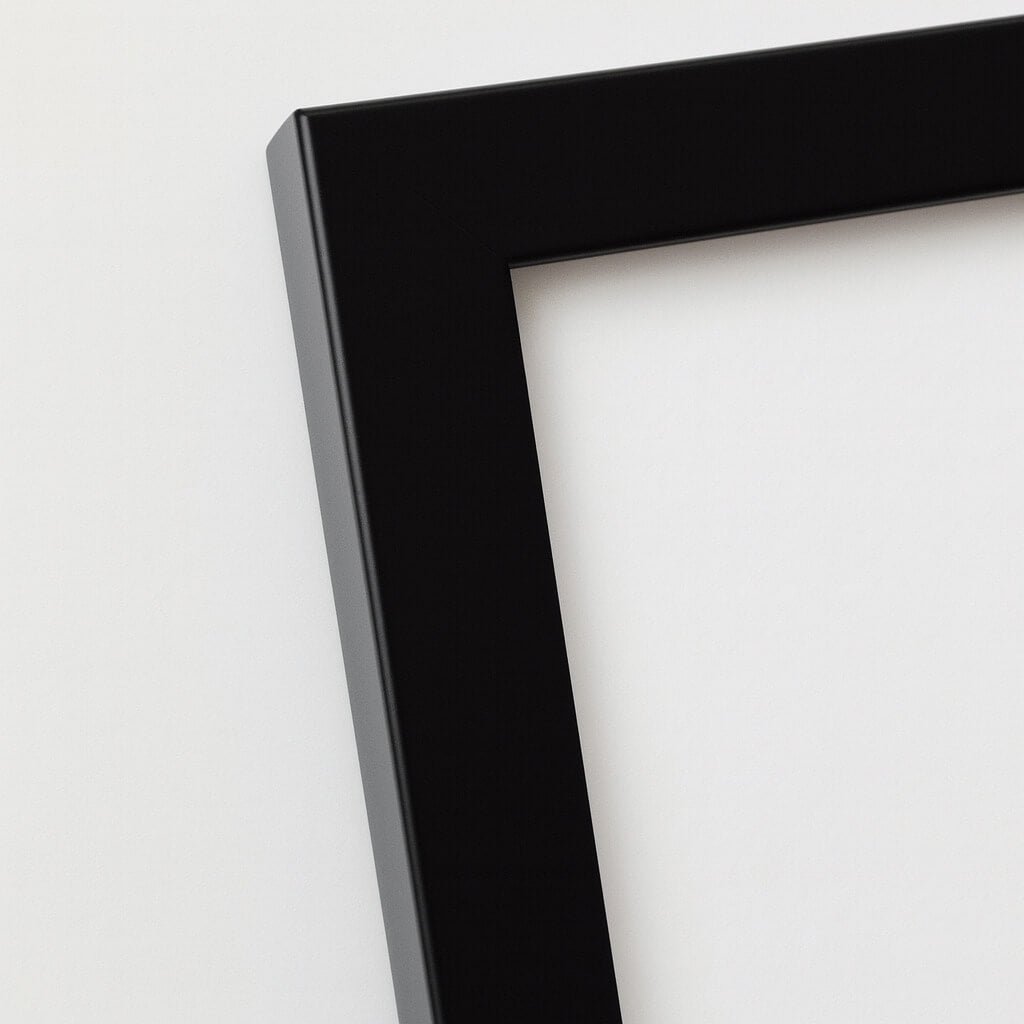
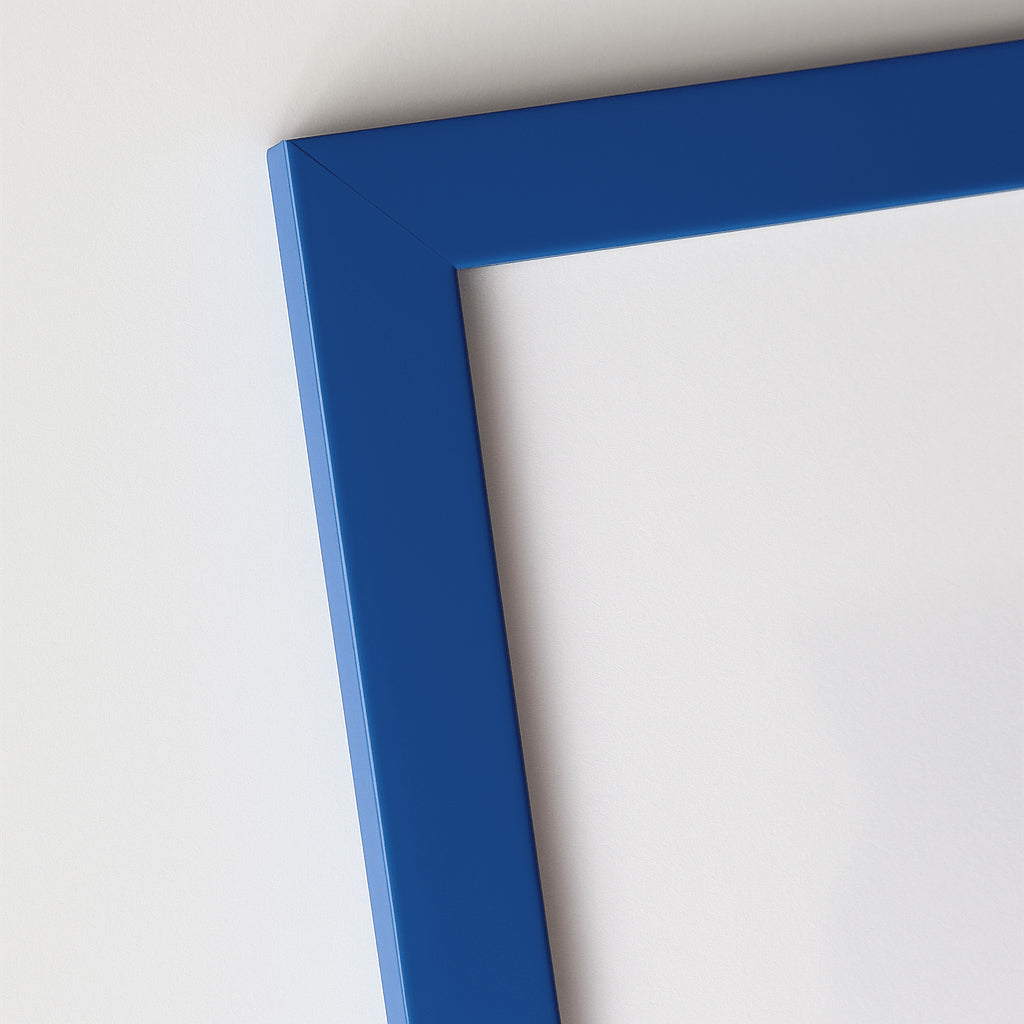
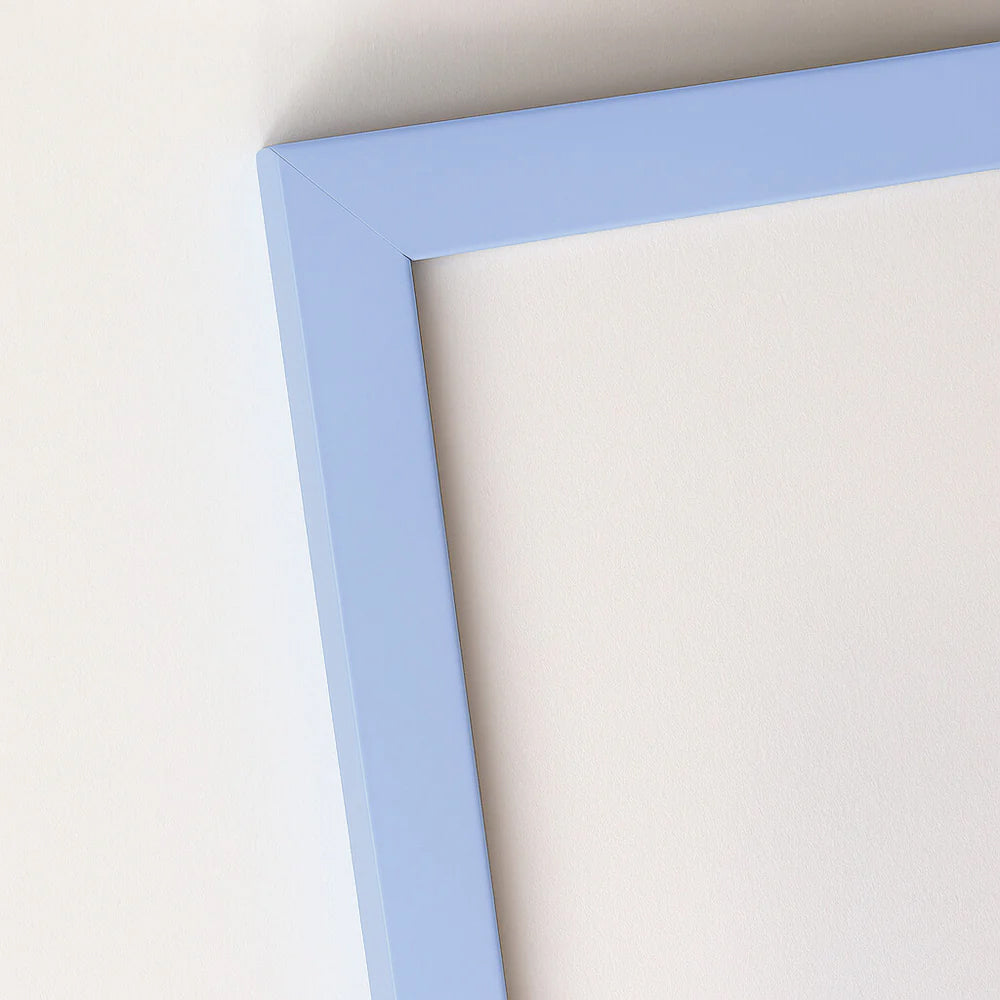
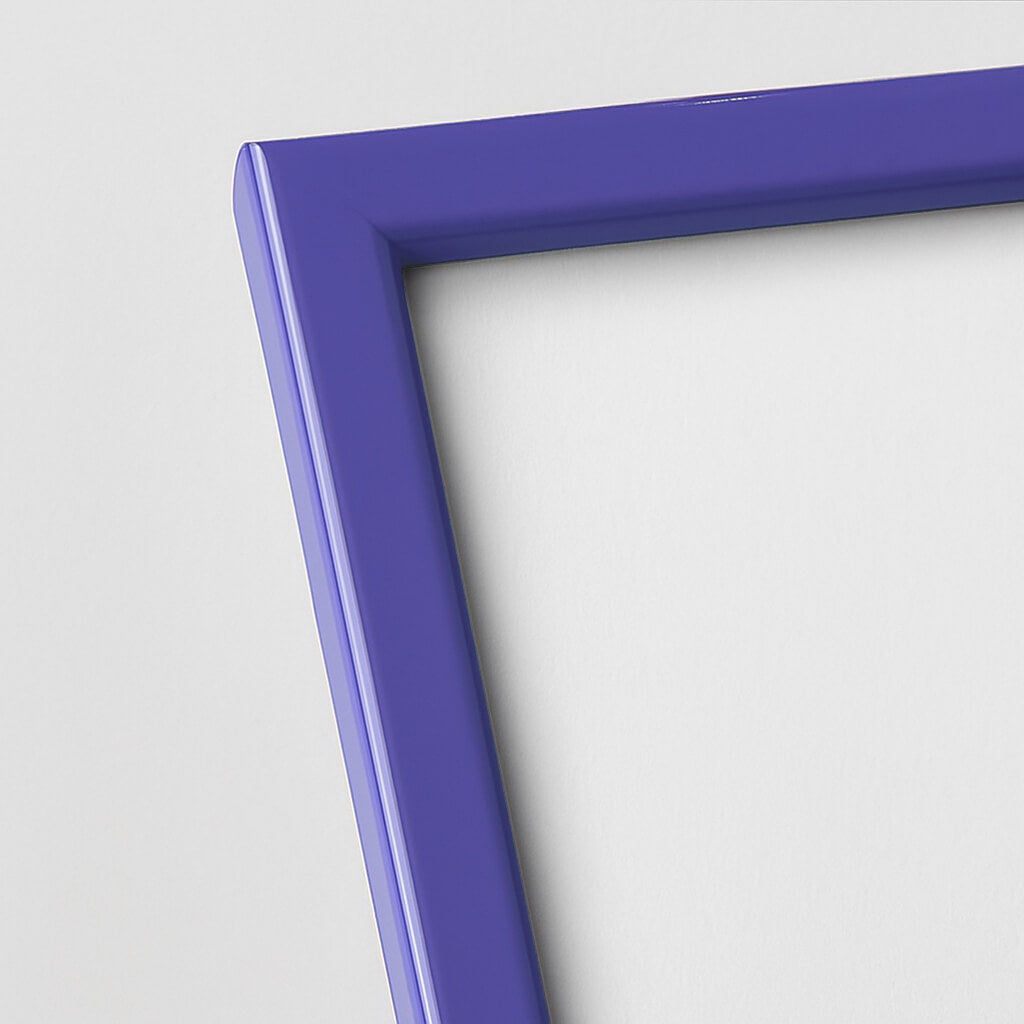
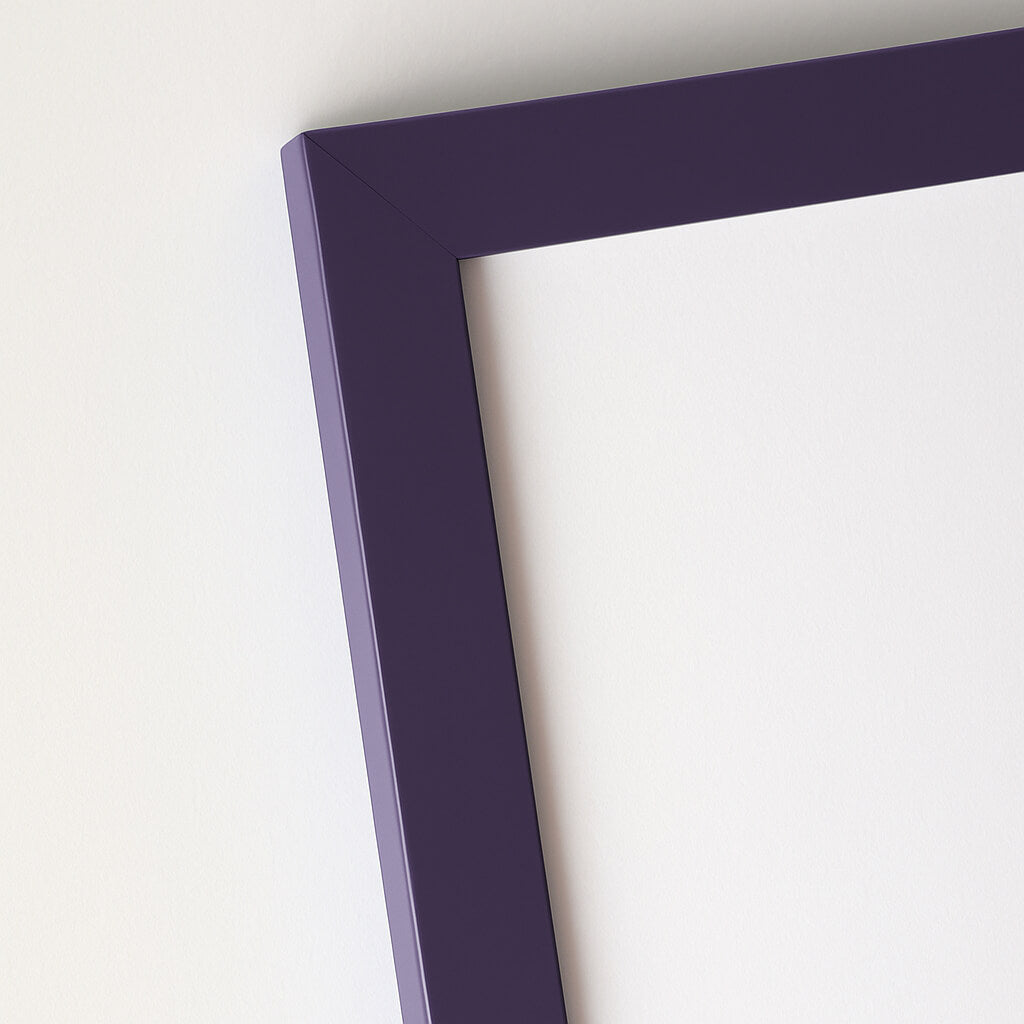
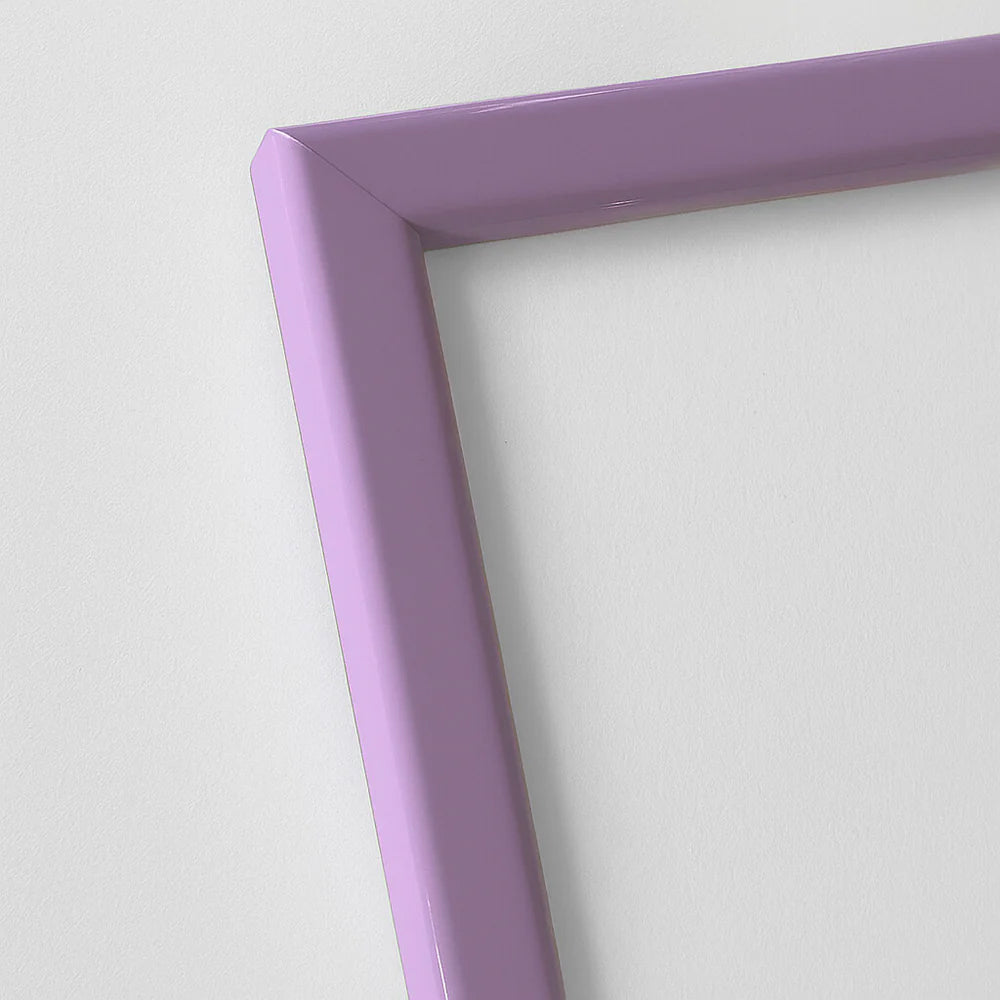
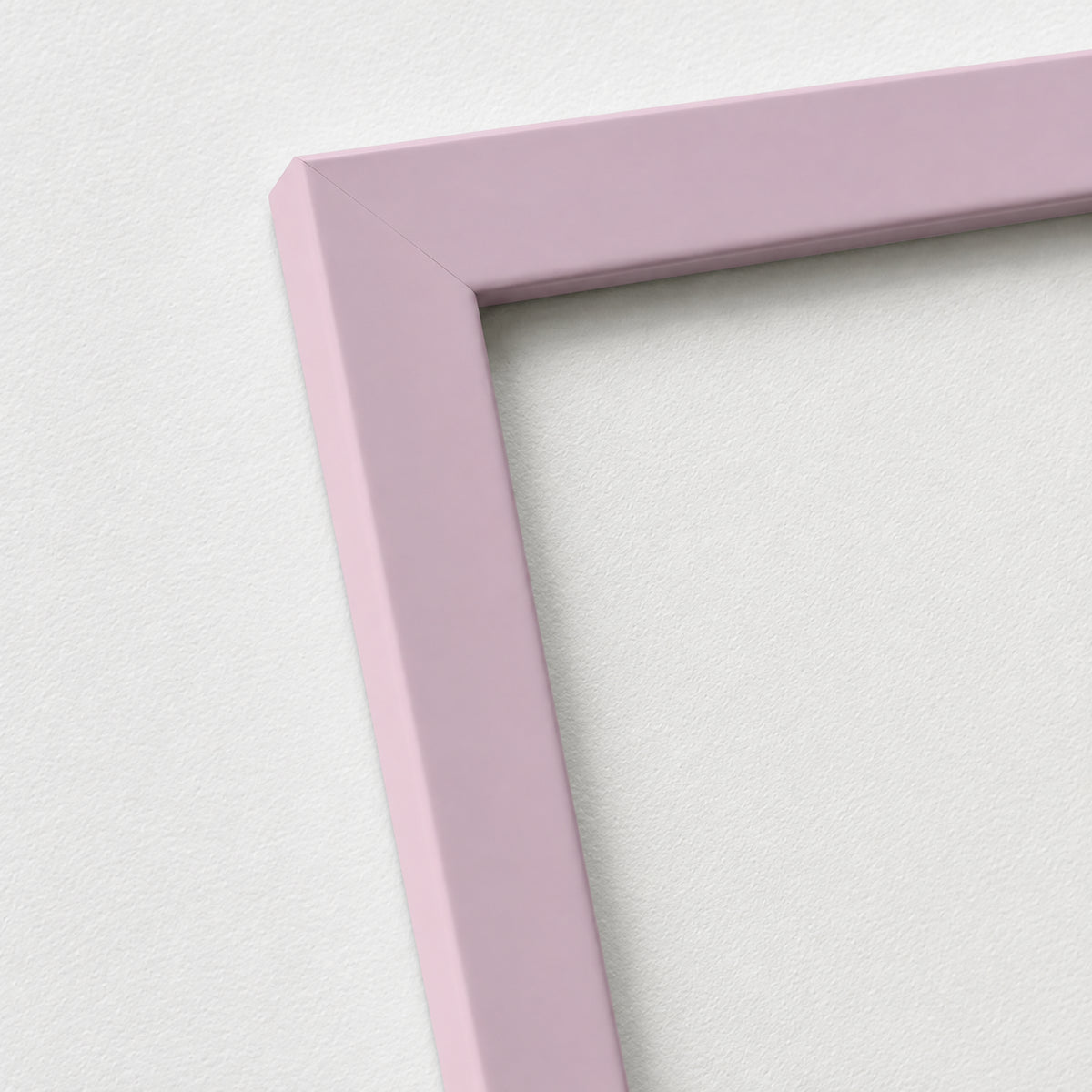
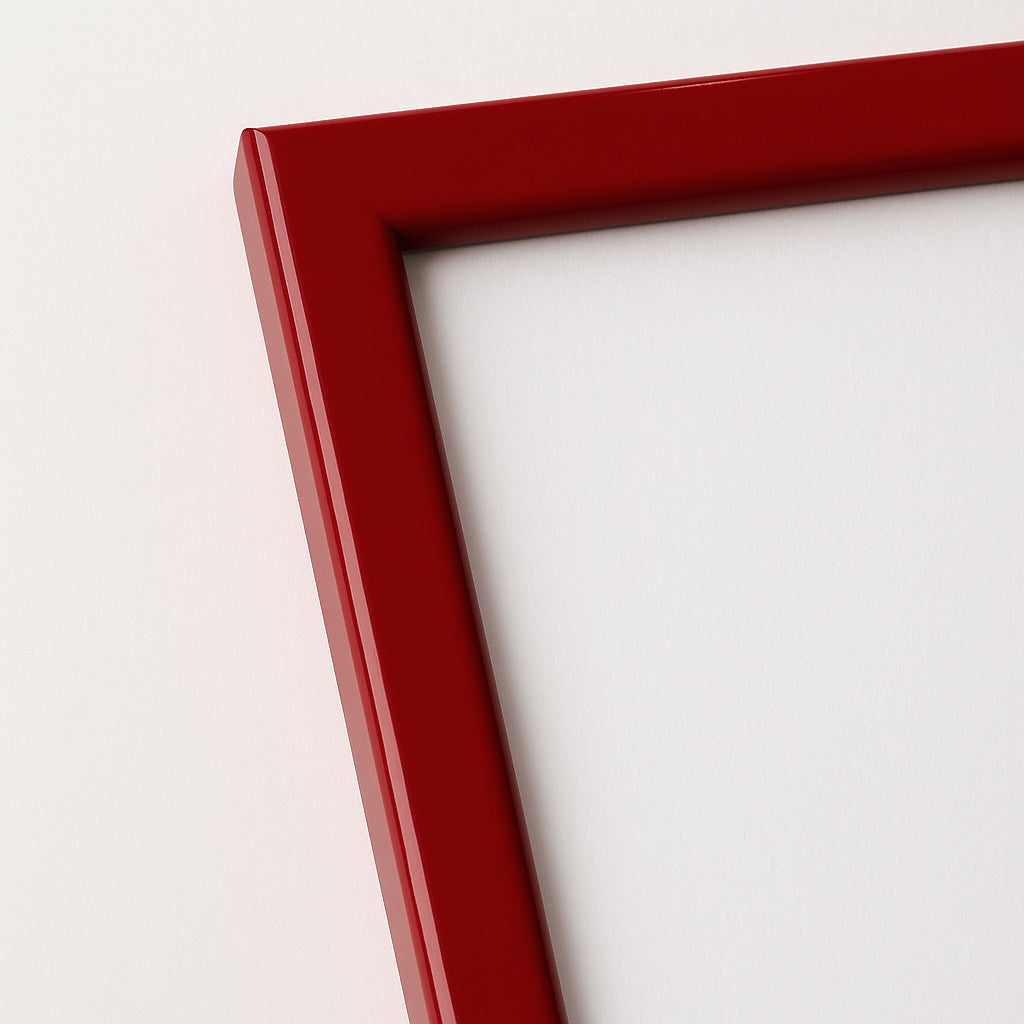
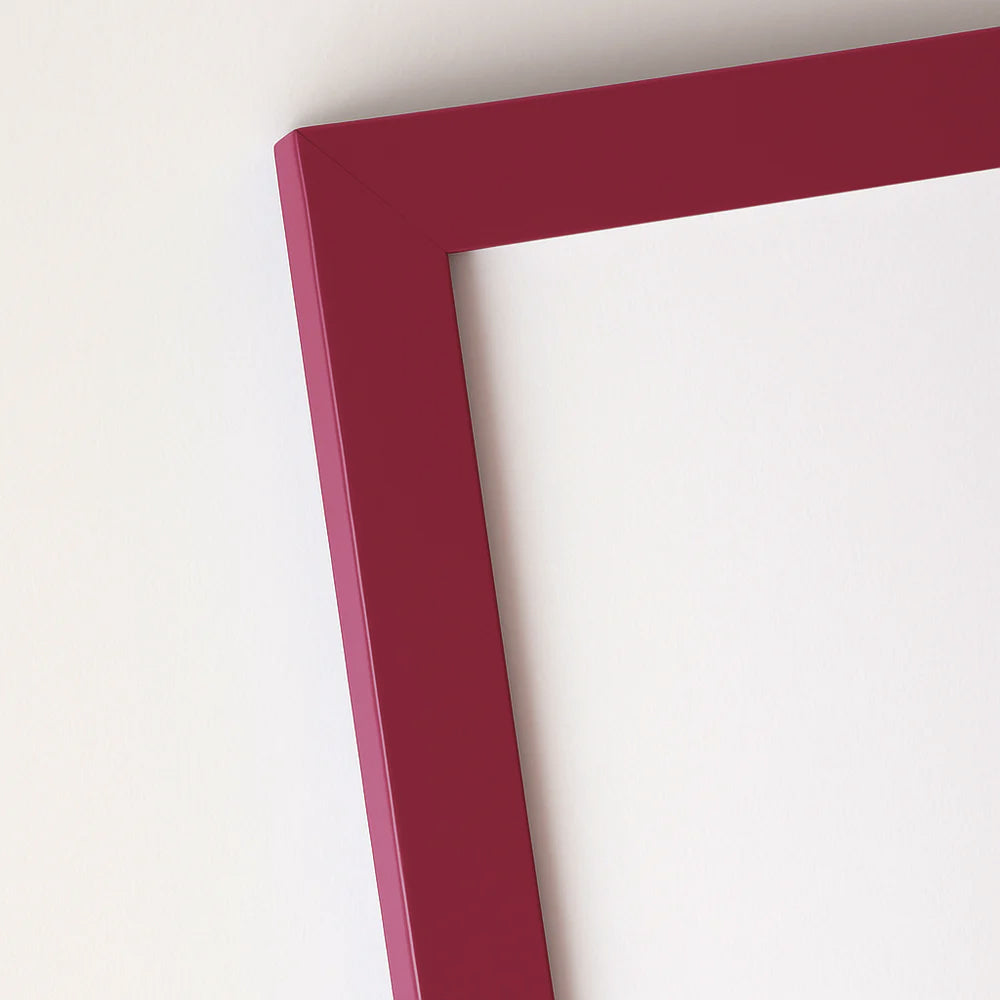
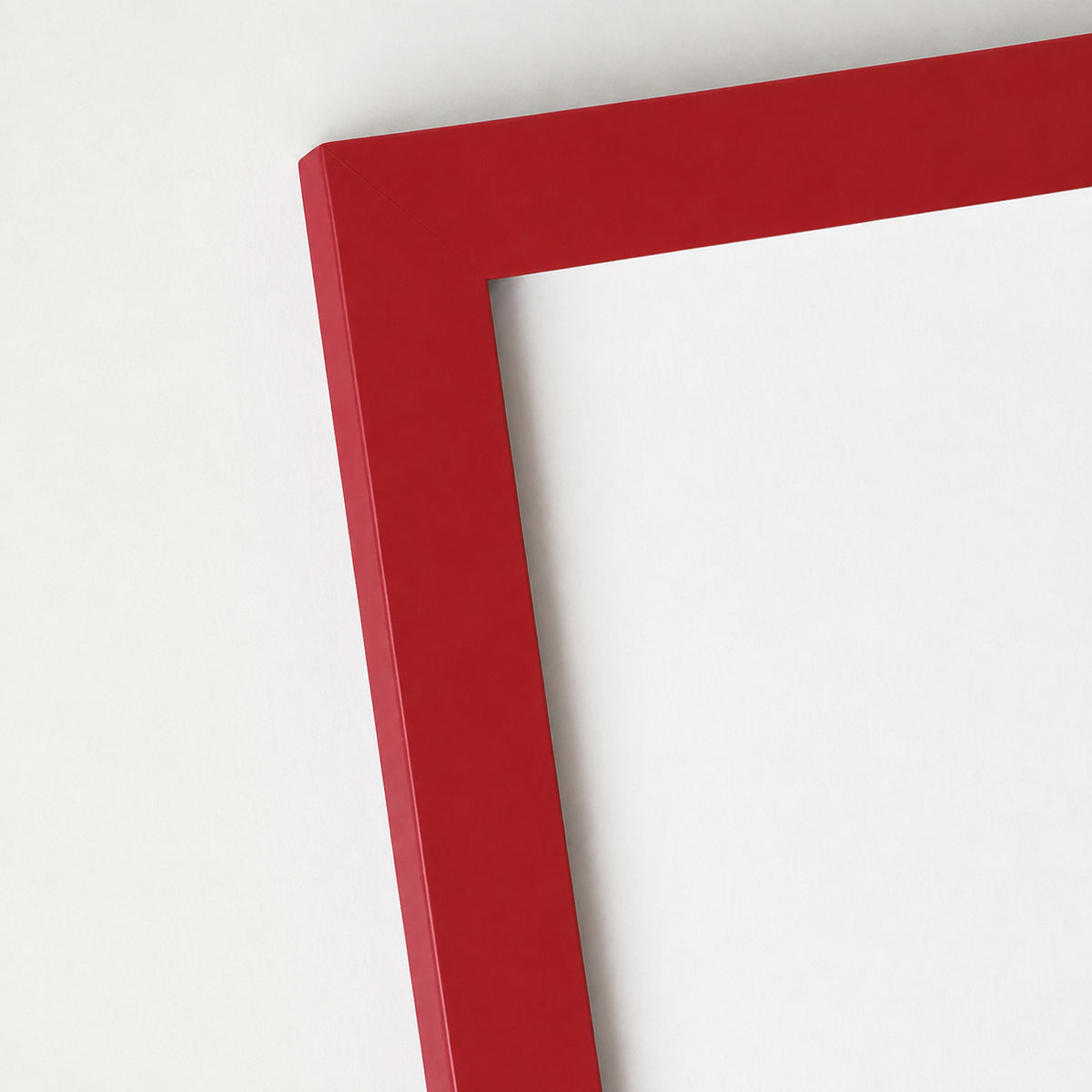
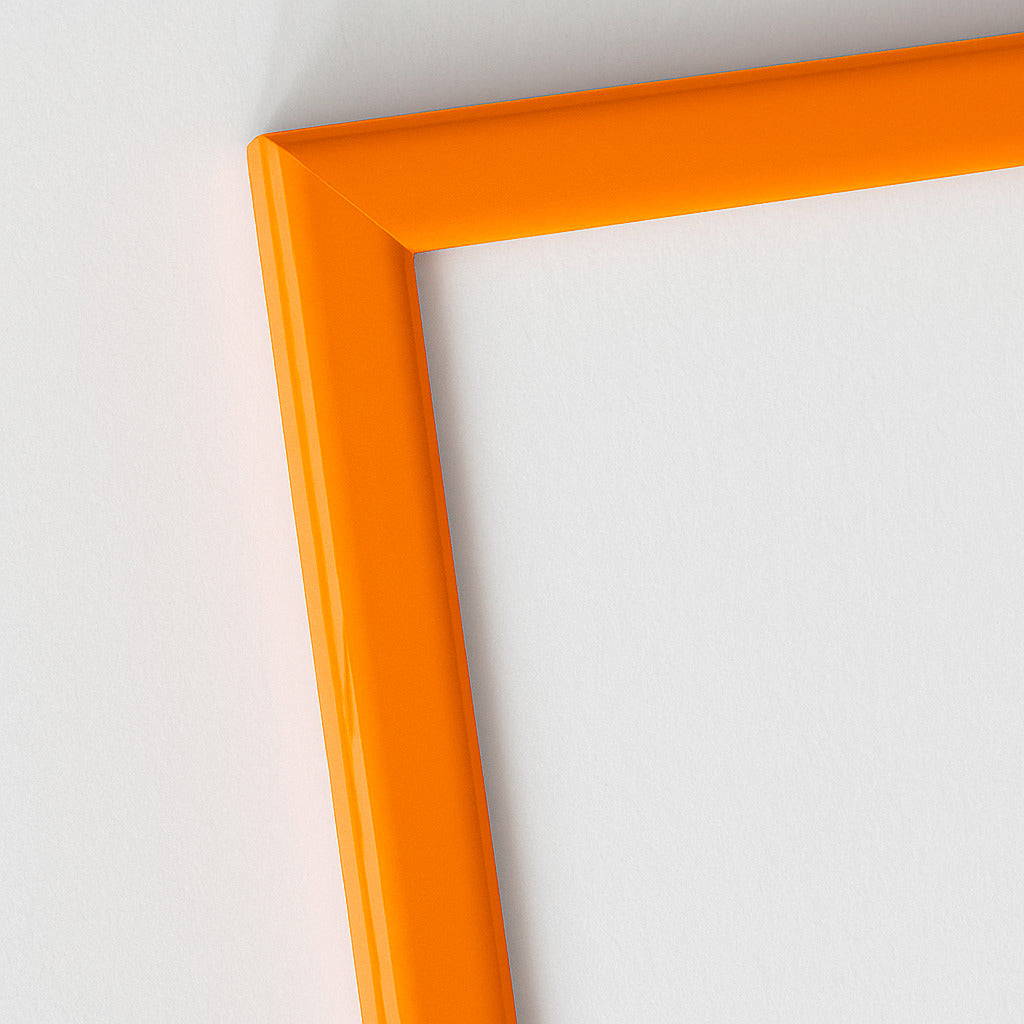
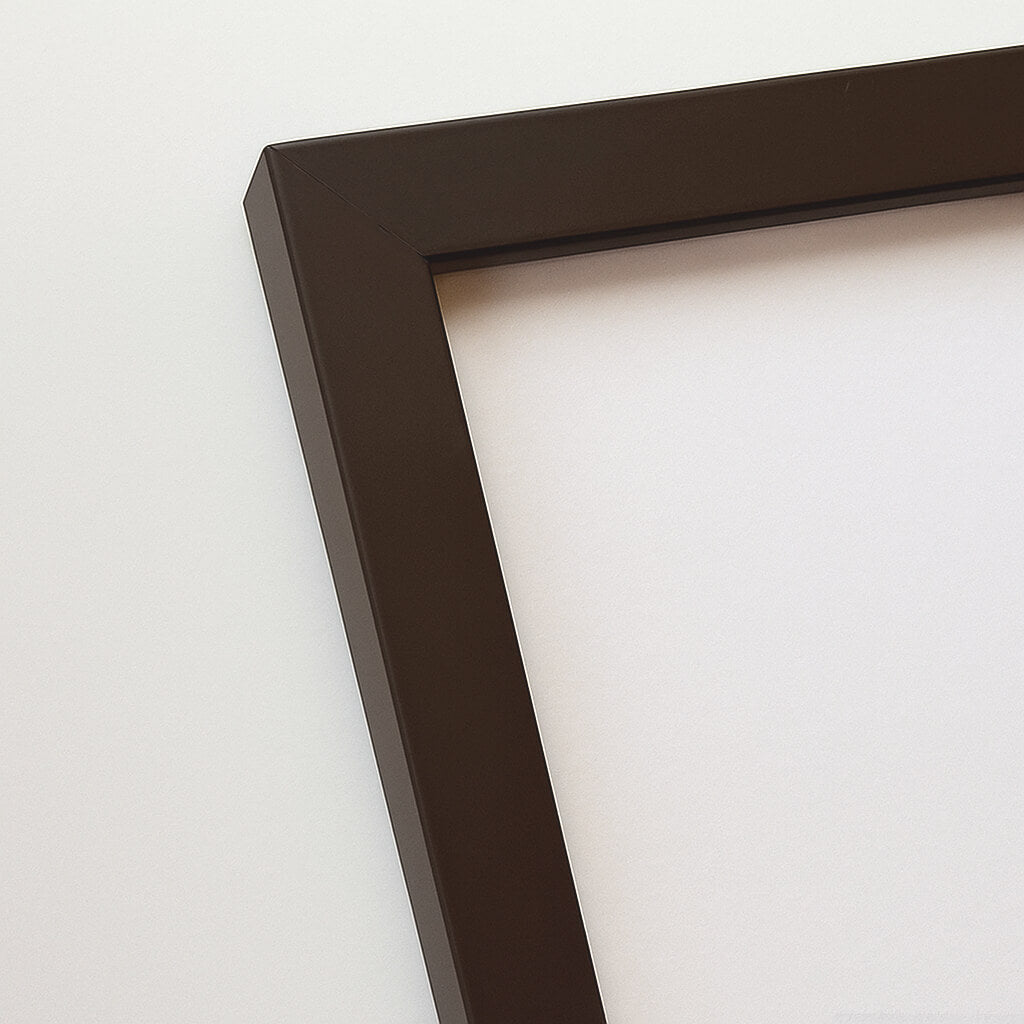
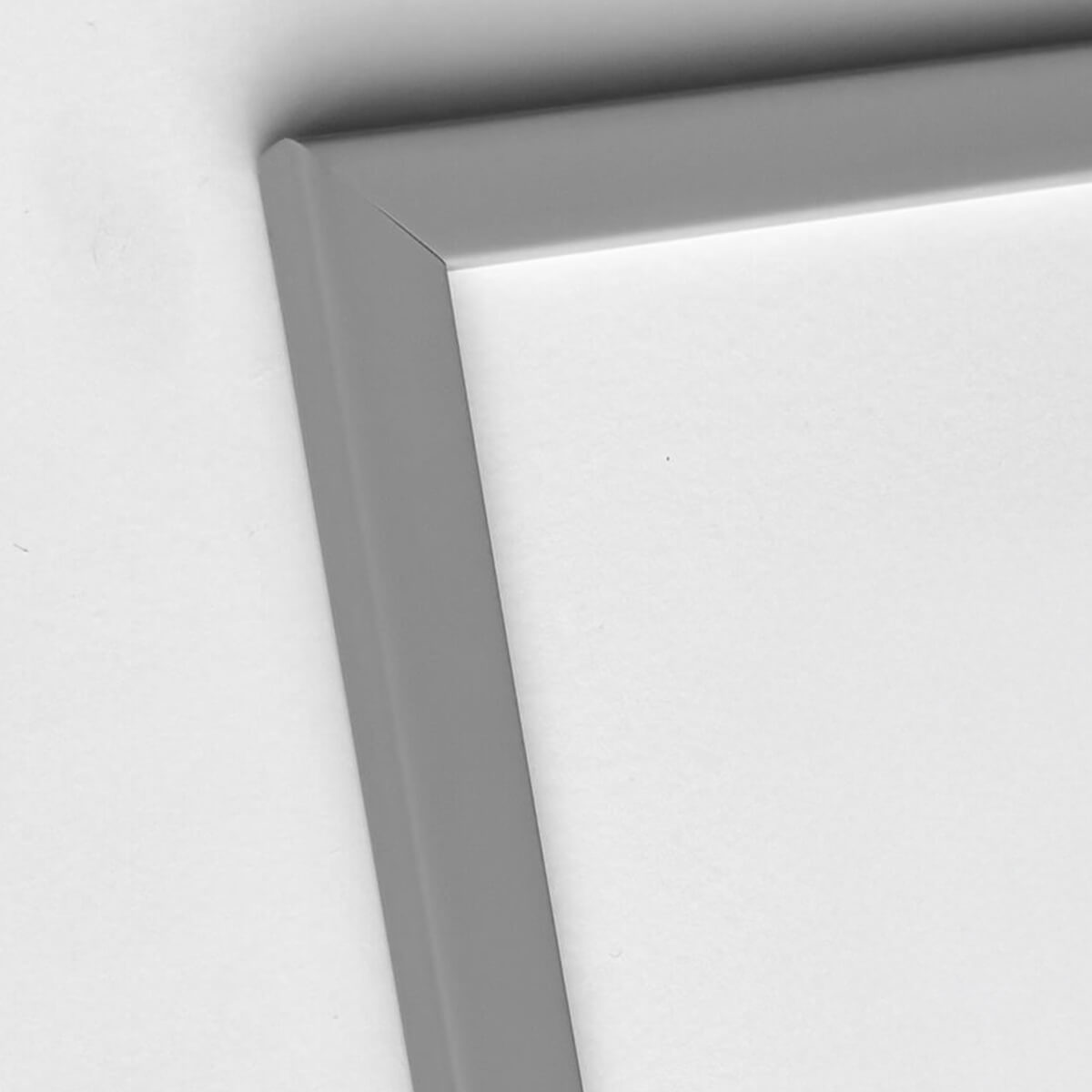
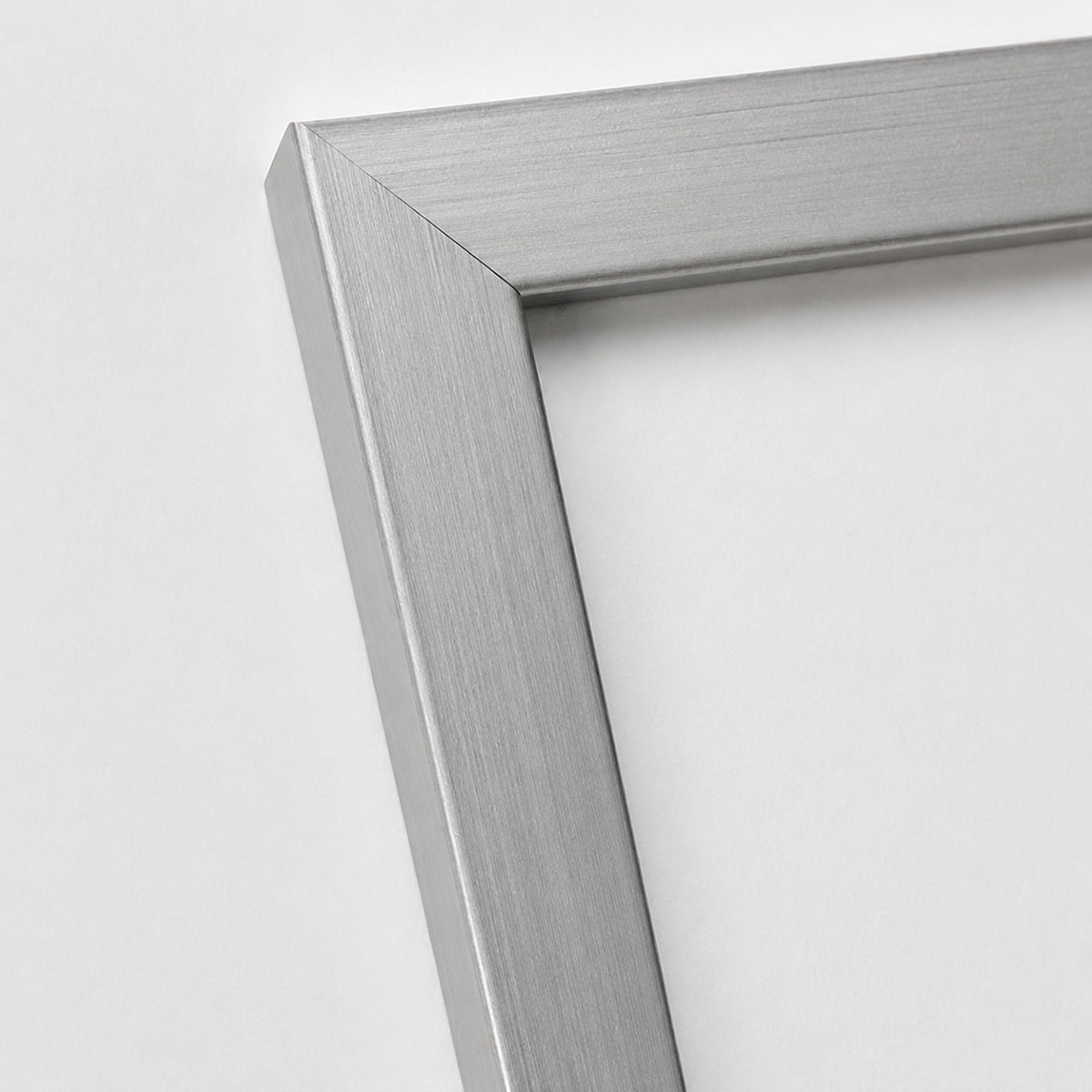
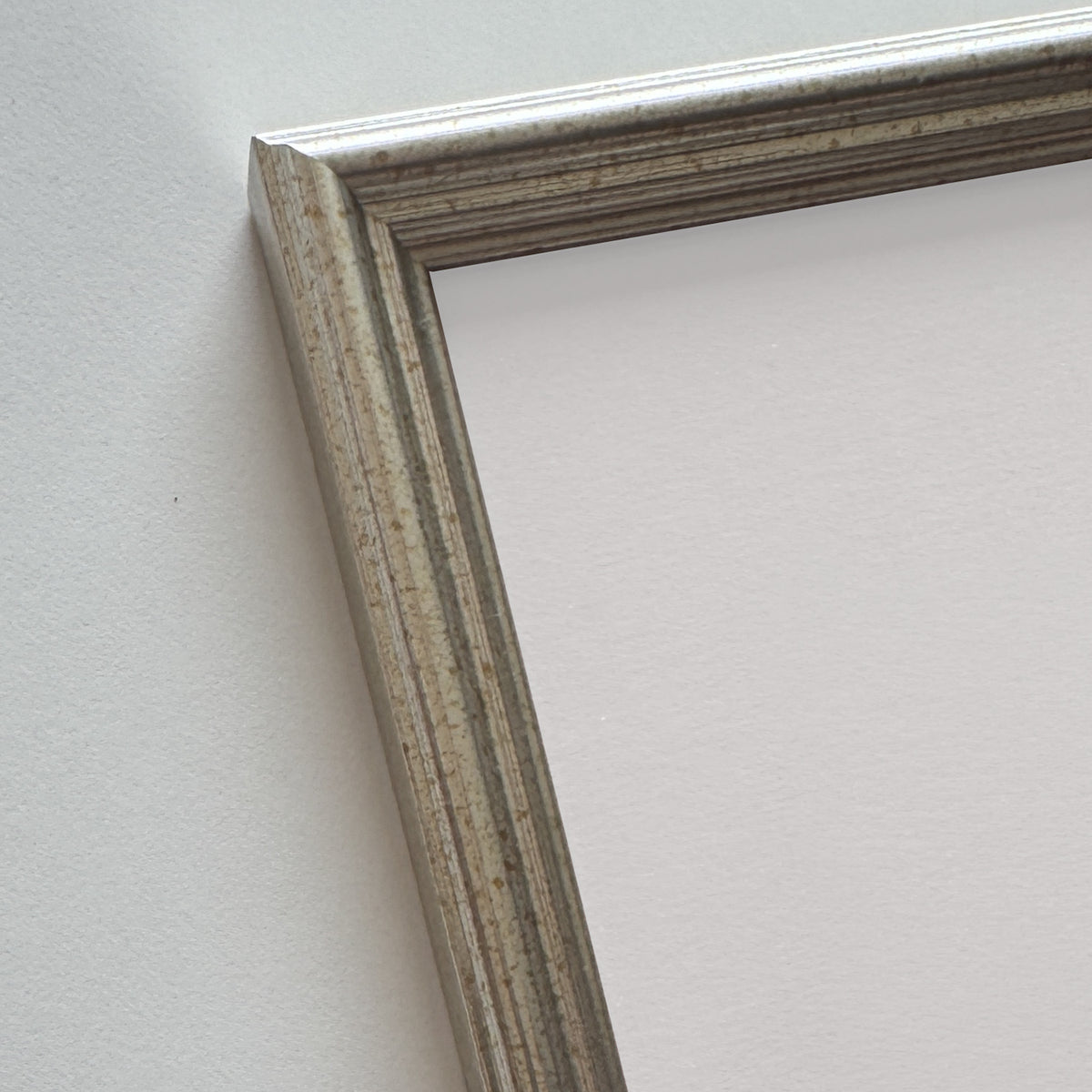
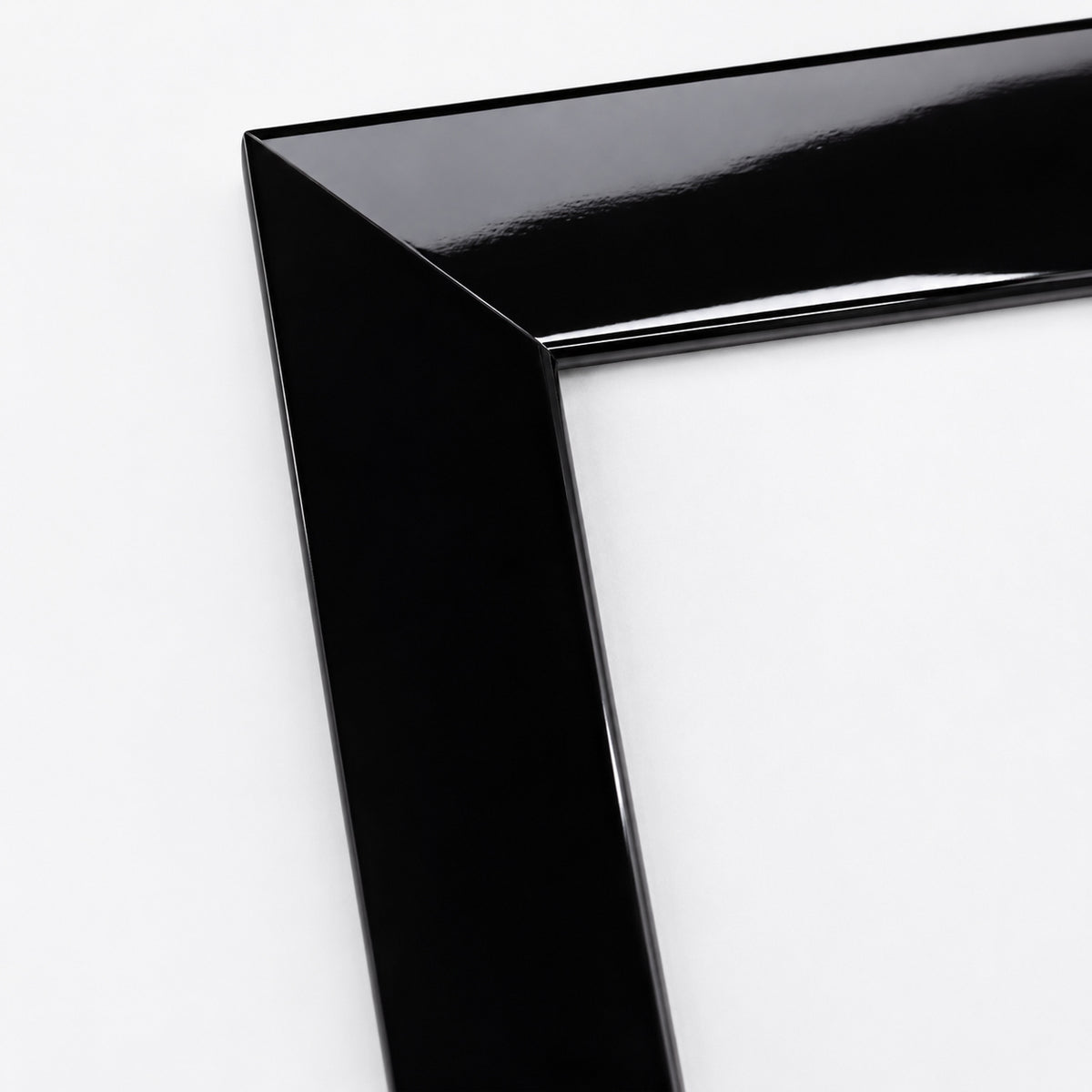
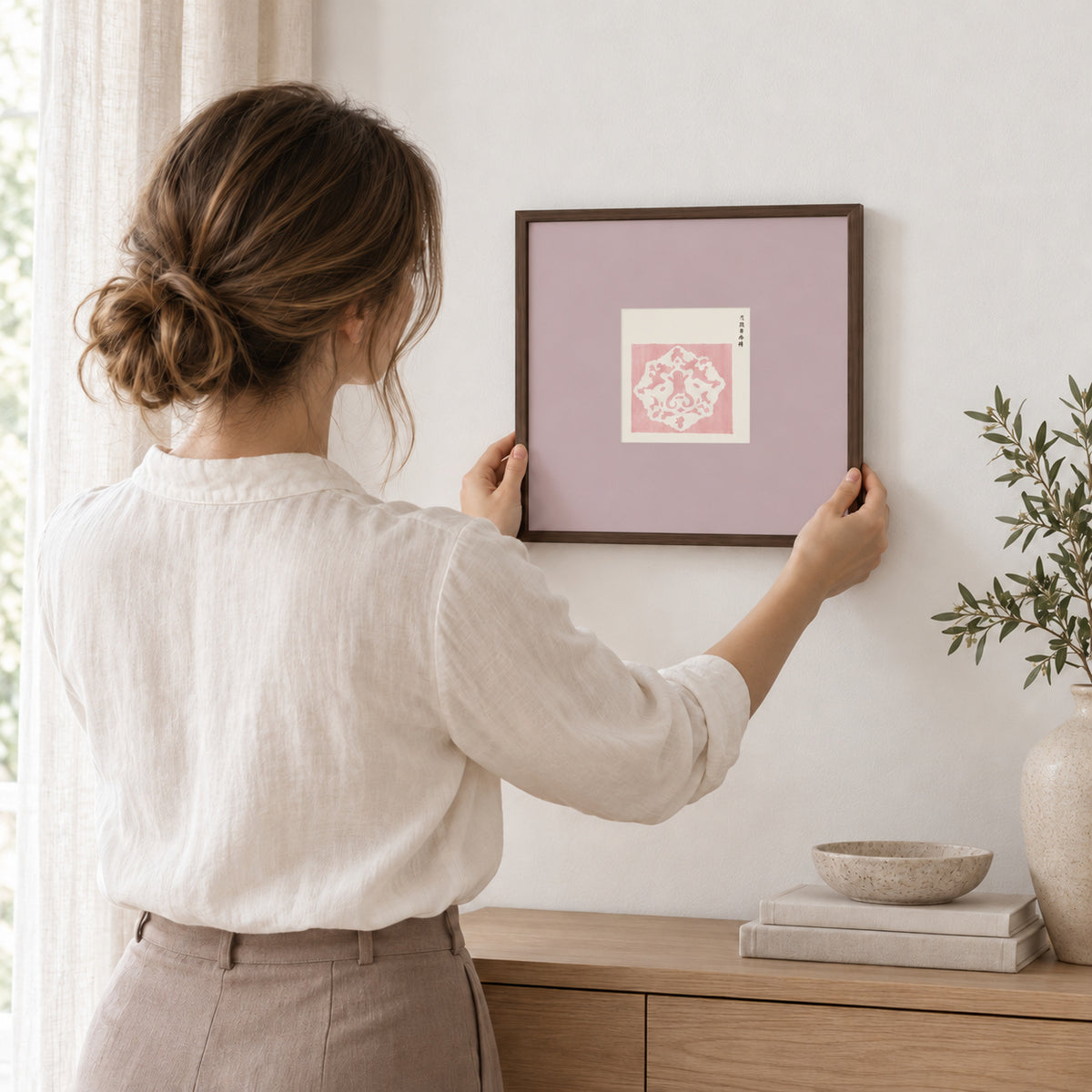
Upload an image of your artwork to our frame designer and try out wood types, colours, profiles and passepartouts. The preview updates as you go, so you can see whether a thin profile keeps the look light or a bolder frame gives the image more substance.
Square frames are easy to arrange in pairs or in a grid, and it does not matter which way they face. If you are planning a group of 13x13 picture frames, try several images with the same frame.
Recently seen
13x13 frames with
Passepartout
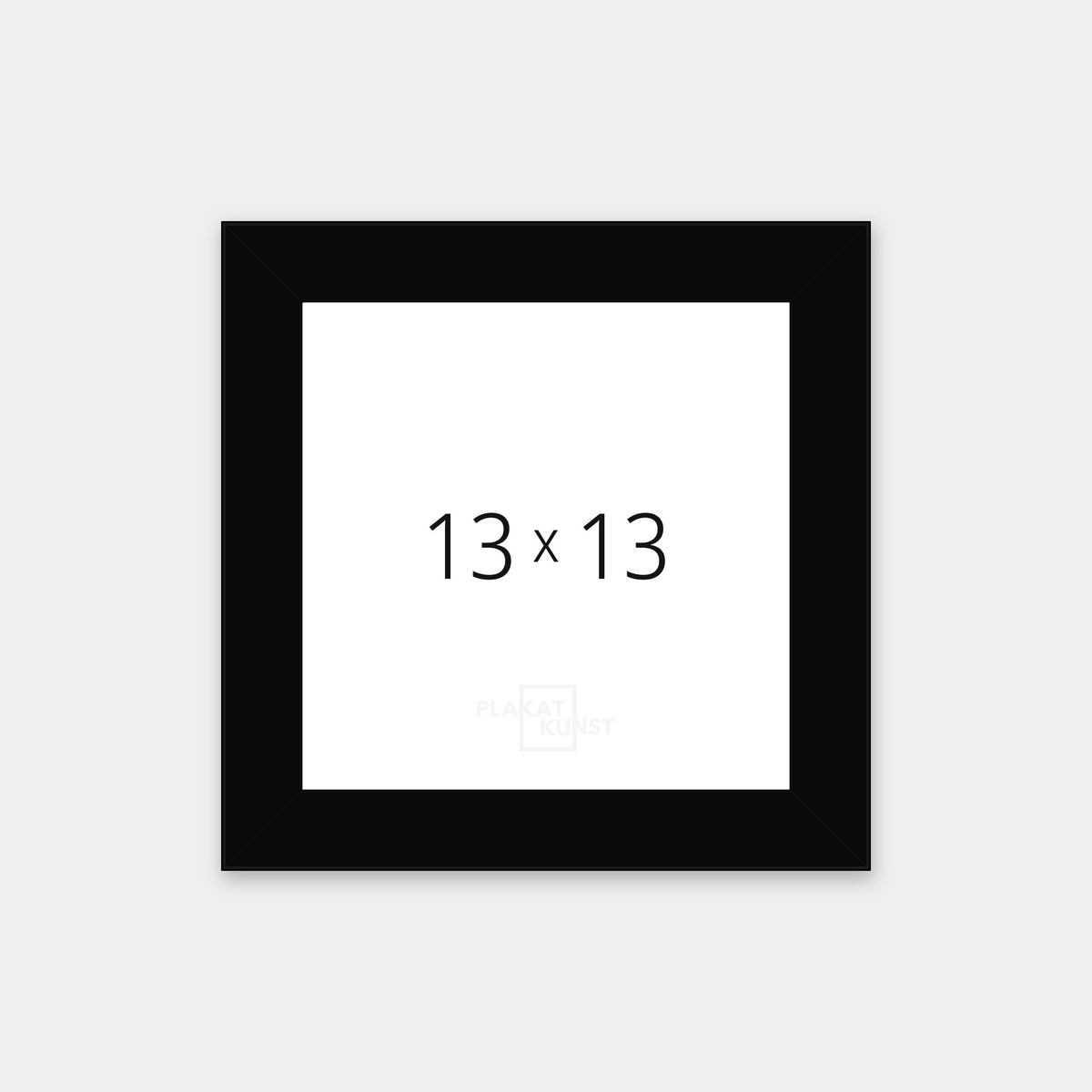
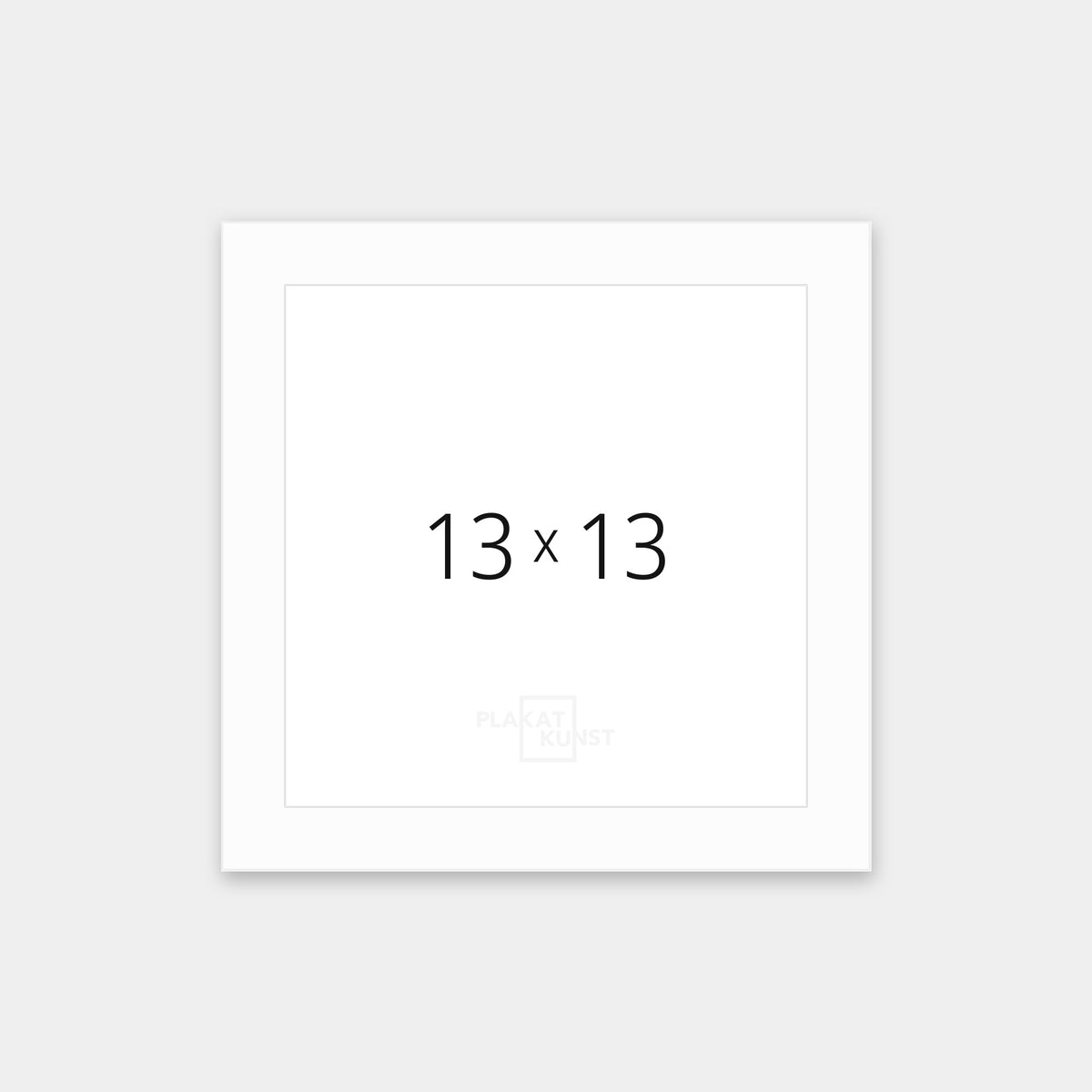
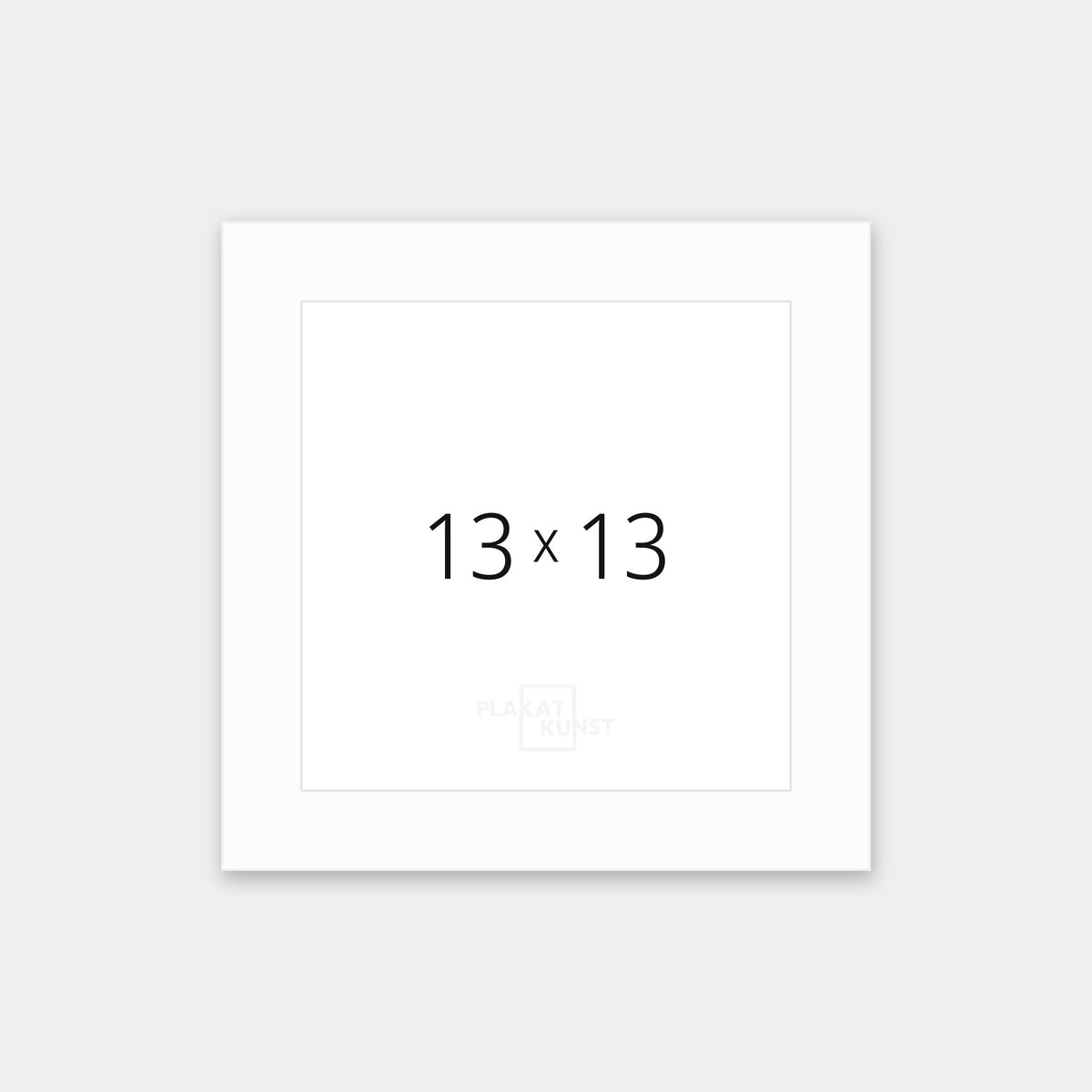
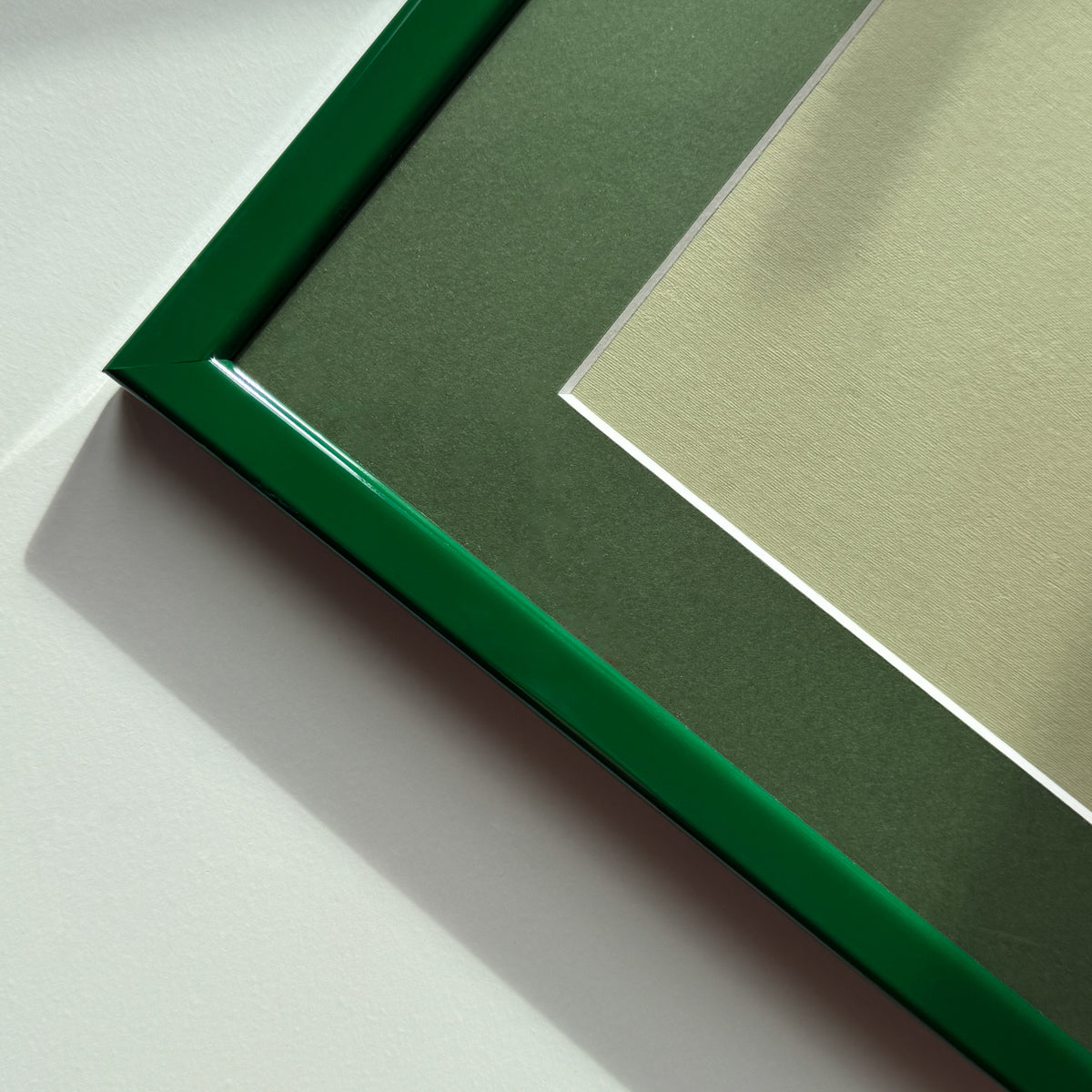
With a passepartout in a 13x13 frame, you can frame a 10×10 cm picture with a narrow border of approx. 1.5 cm, or an 8×8 cm image with a little more space. Made from 1.5 mm thick board, the passepartout creates space between the image and the frame, so it looks less cramped.
If a 13×13 cm picture needs a passepartout, you will have to go up a size. An 18×18 cm frame gives a border of approx. 2.5 cm, a 20×20 cm frame approx. 3.5 cm and a 24×24 cm frame a striking border of approx. 5.5 cm. If none of these fit, choose a made-to-measure frame.
Choose from 20 colours and enter the size of your picture. The opening is automatically made 10 mm smaller in width and height, so the passepartout overlaps the picture by 5 mm on all sides. This makes it easy to tape the picture to the back of the passepartout.
Select one of the frames above to see it with the different passepartout colours.
Should your 13x13 frame have
Real glass?
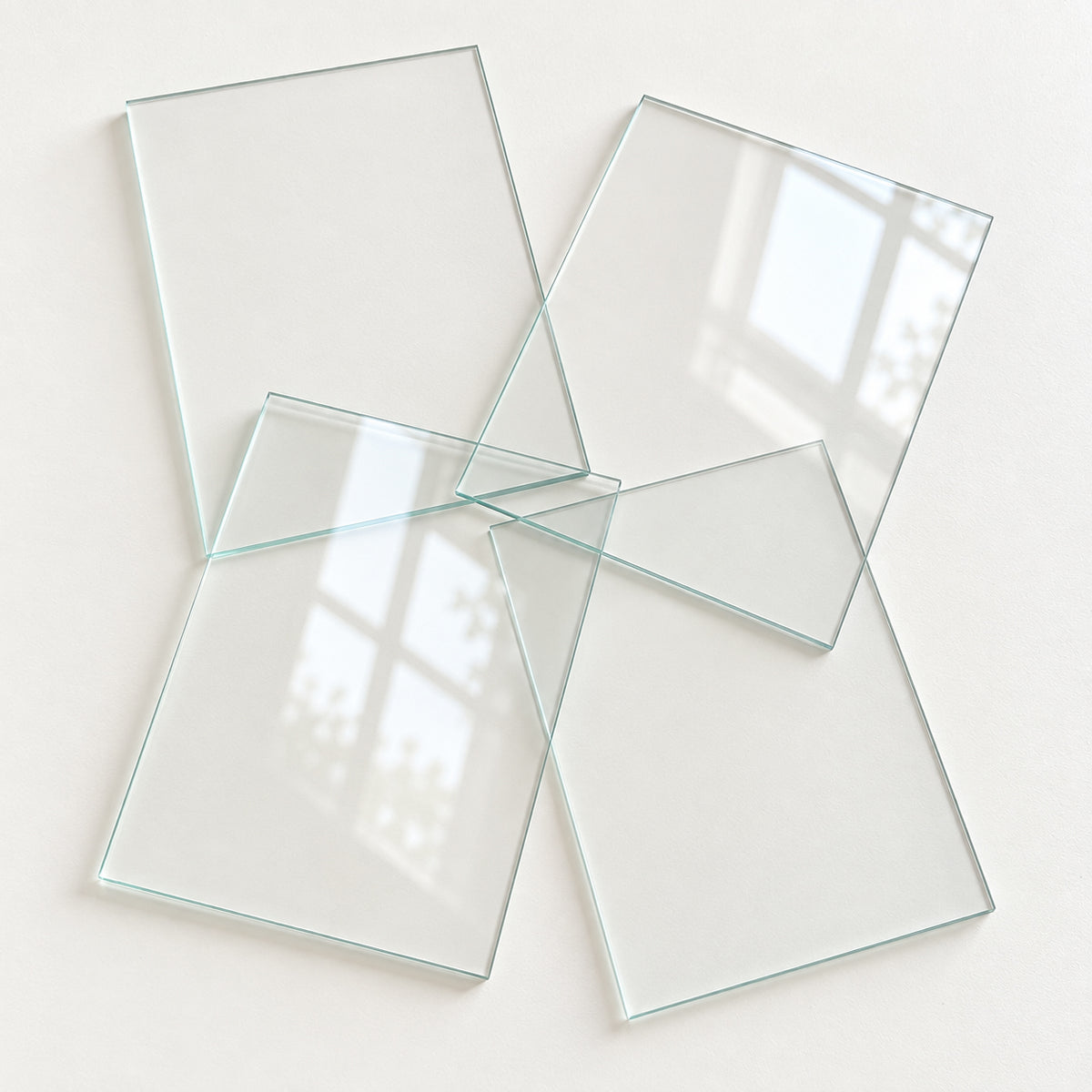
The glass for a 13×13 cm frame weighs so little that weight is rarely decisive. If several square frames hang together, however, it is a good idea to choose the same glass for all of them so they reflect light in the same way. You can choose from four types.
Standard glass gives clear colours and sharp details at an affordable price. Its surface is more scratch-resistant than acrylic glass, but reflections from windows and lamps are visible, and the glass can break if knocked or dropped.
Acrylic glass is light, shatter-resistant and well suited to a child’s room or a shelf where the frame is easily bumped. It reflects light just like standard glass and scratches more easily, so clean it with a soft cloth. Remove the protective film from both sides before use.
Non-reflective glass reduces reflections with a matt surface. Colours and details may look slightly softer, especially with a passepartout between glass and artwork, and it does not remove all reflections.
Museum glass combines high clarity, fewer reflections and UV protection that helps limit fading. The image stays sharp without the matt effect of non-reflective glass. It costs more, faint reflections may occur, and direct sunlight should be avoided.
Shipping of 13x13 frames worldwide
FedEx or GLS
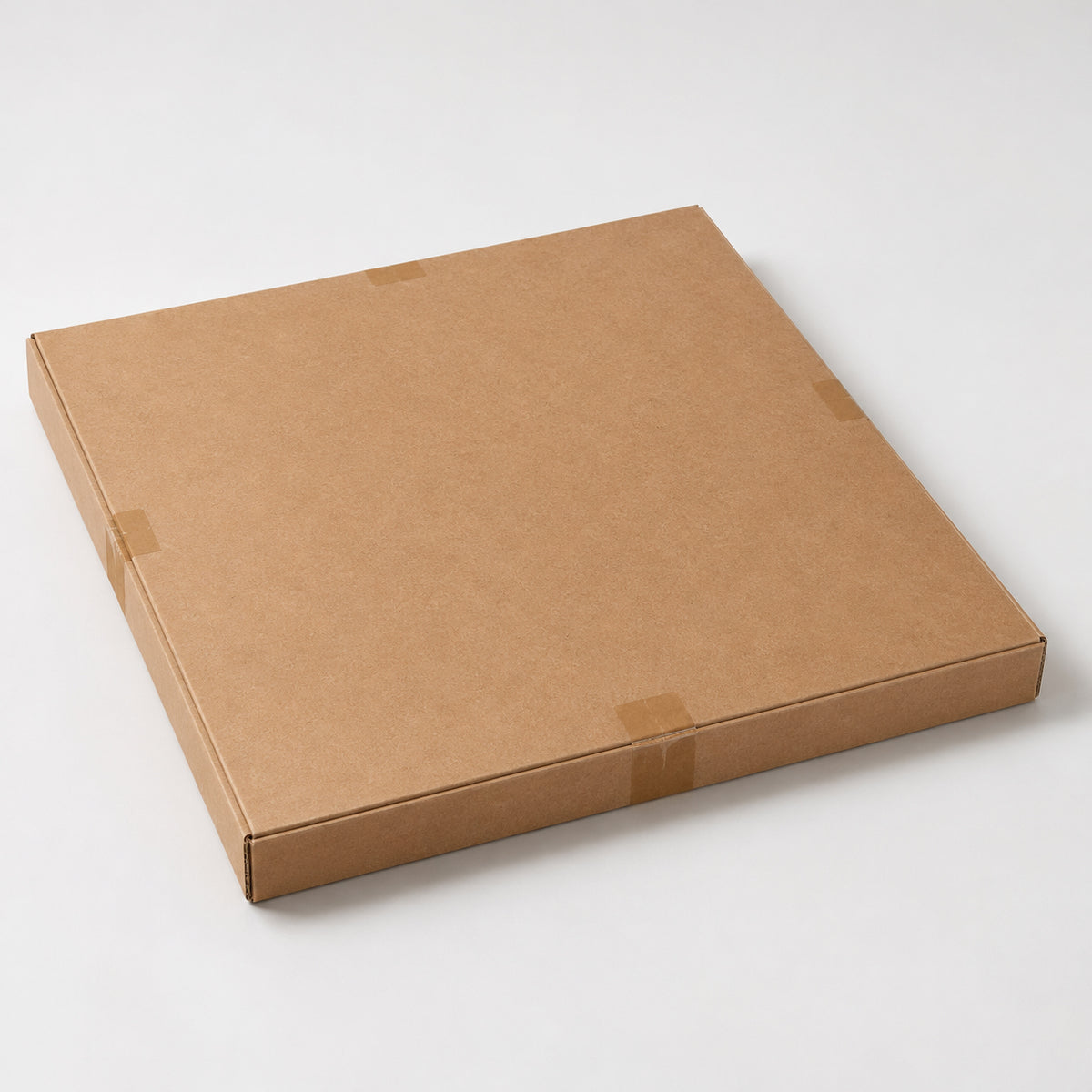
We send 13×13 cm frames worldwide with GLS or FedEx. GLS offers delivery to parcel shops in Sweden, Germany, Belgium and Poland.
Real glass makes shipping considerably more expensive than acrylic glass, even for small frames. This is because glass weighs more and requires extra care in transit, which increases both shipping costs and the risk of damage.
We pack carefully so that frame and glass are protected throughout the journey, and the vast majority of frames with glass therefore arrive safely.
13x13 frames with or without
Backing paper
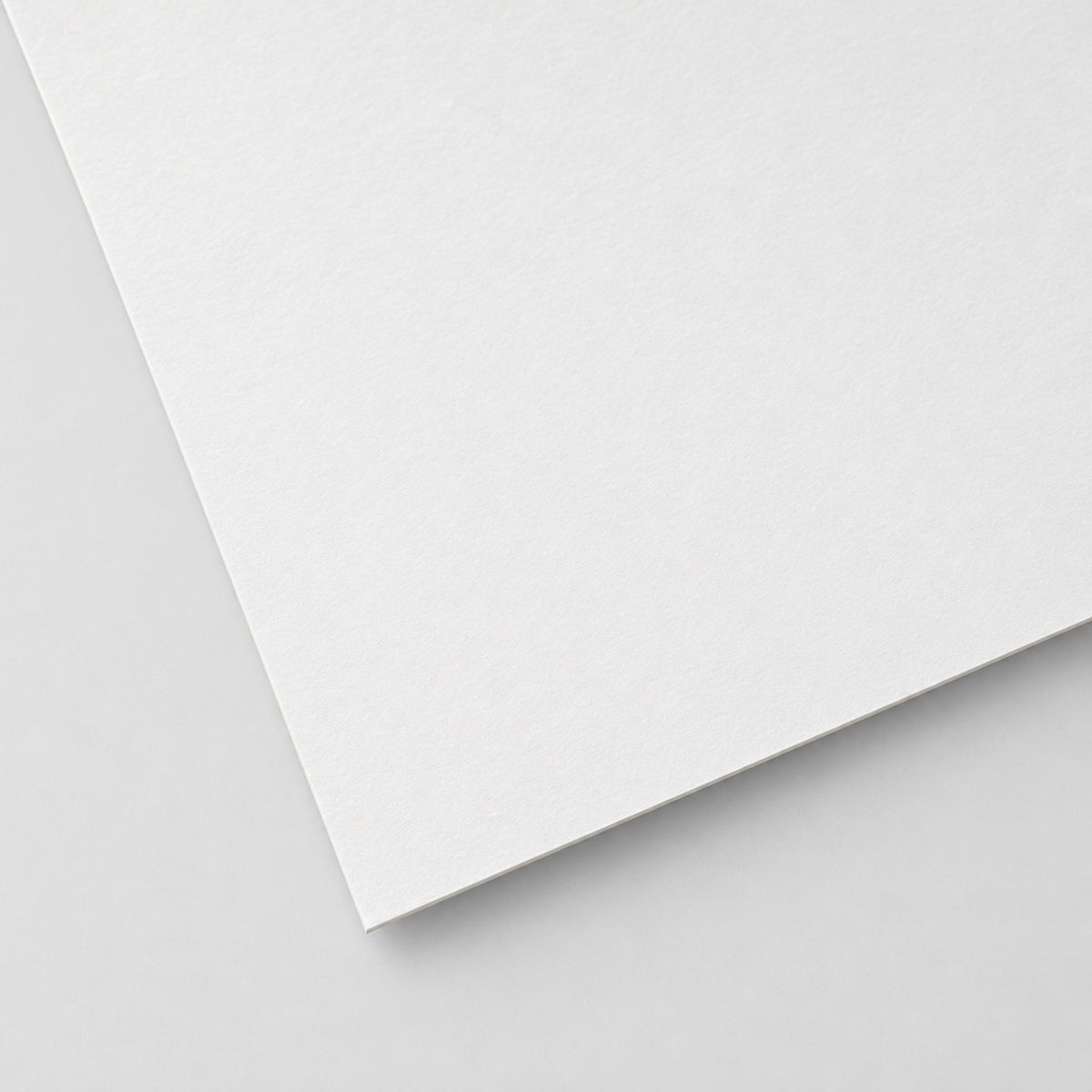
The frame is supplied without backing paper as standard, as most people do not need it. As an extra, you can add 1 mm thick backing paper in a subtle off-white shade with a fine texture.
With backing paper, artwork smaller than 13×13 cm can have a visible background around it. It works well for a small linocut or a drawing with hand-torn or decorative edges that should remain visible.
The paper also adds an extra layer between artwork and backing board. For delicate art, it is important that both the backing paper and the mounting materials are acid-free.
Framing and hanging
13x13 frames
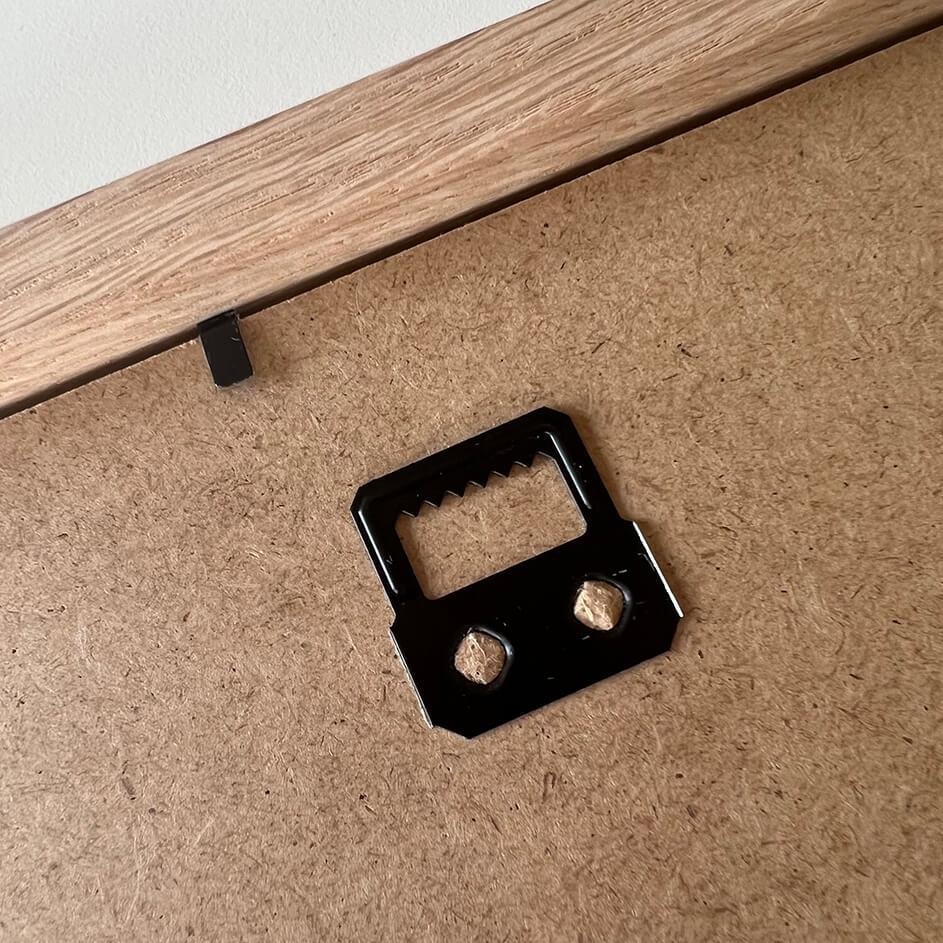
To frame your picture, first bend up the black metal tabs on the back and lift out the hardboard backing.
Wipe dust from the inside of the glass with a soft, dry cloth. With acrylic glass, remove the protective film from both sides. Insert the picture, replace the backing and bend the tabs back so everything is held firmly.
A 13x13 frame can both stand and hang, as it has a support stand and a hanging bracket. Use the stand on a bookcase, chest of drawers or desk. For the wall, tilt the bracket out slightly so it can hook onto a screw or nail. Choose a fixing that suits your wall type and can carry the weight of the frame.