




Try the frame designer
See your photo framed
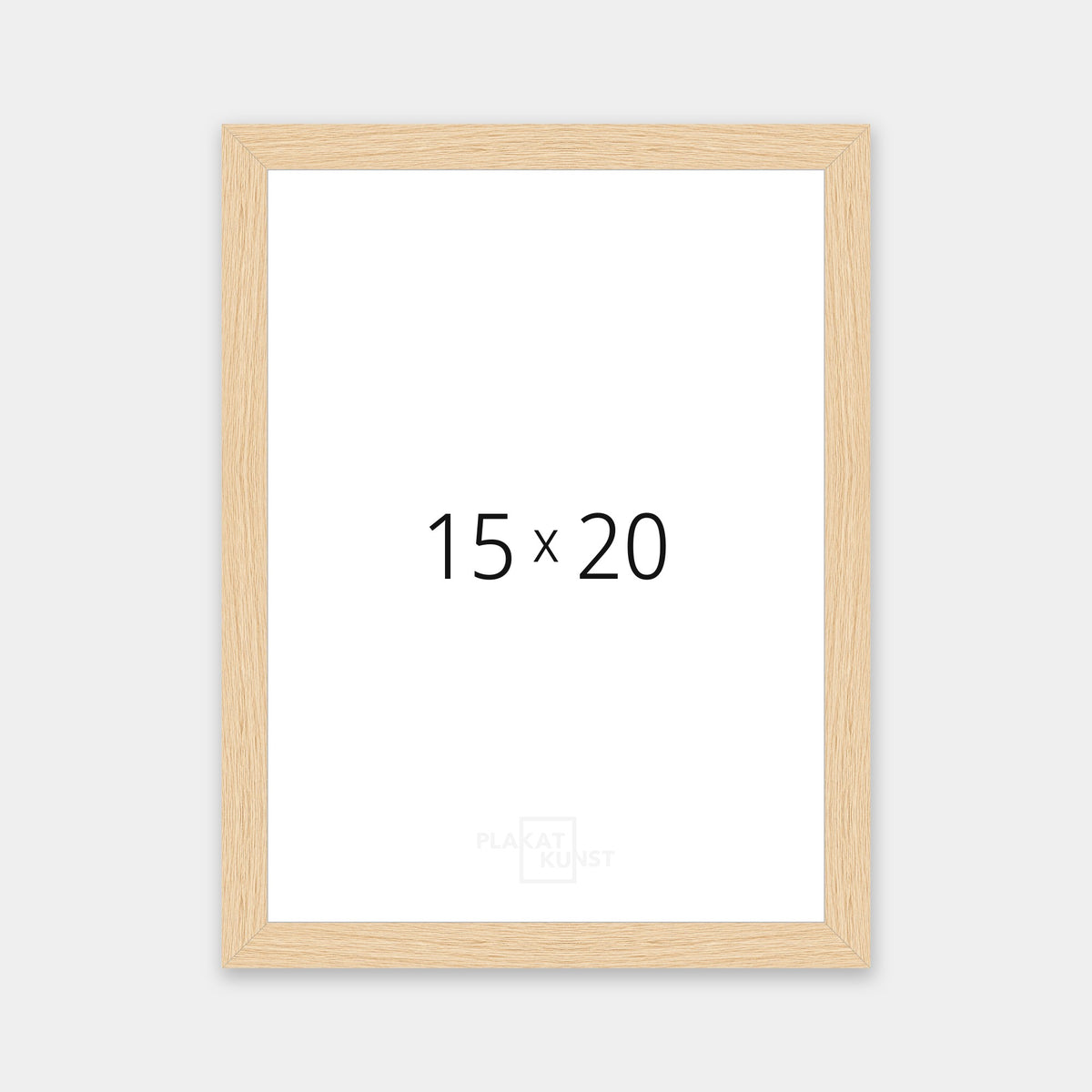
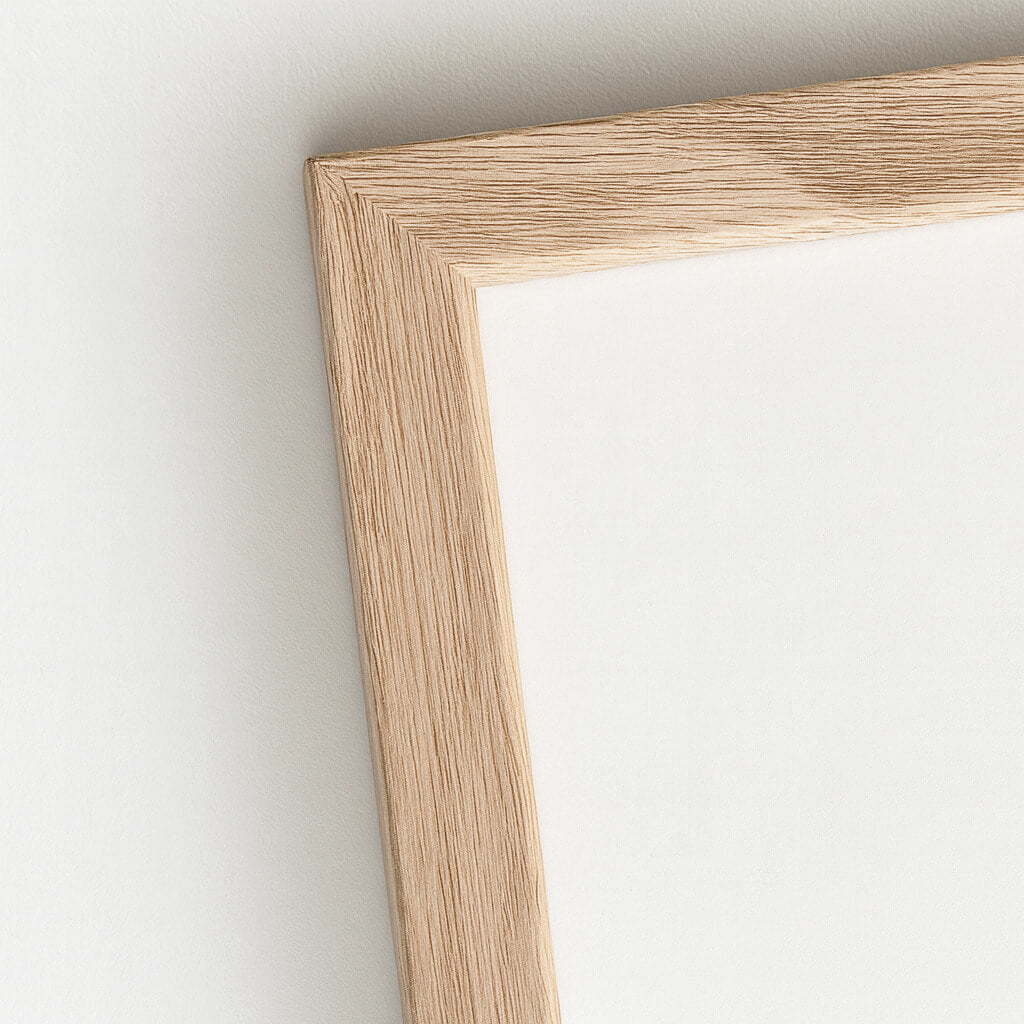
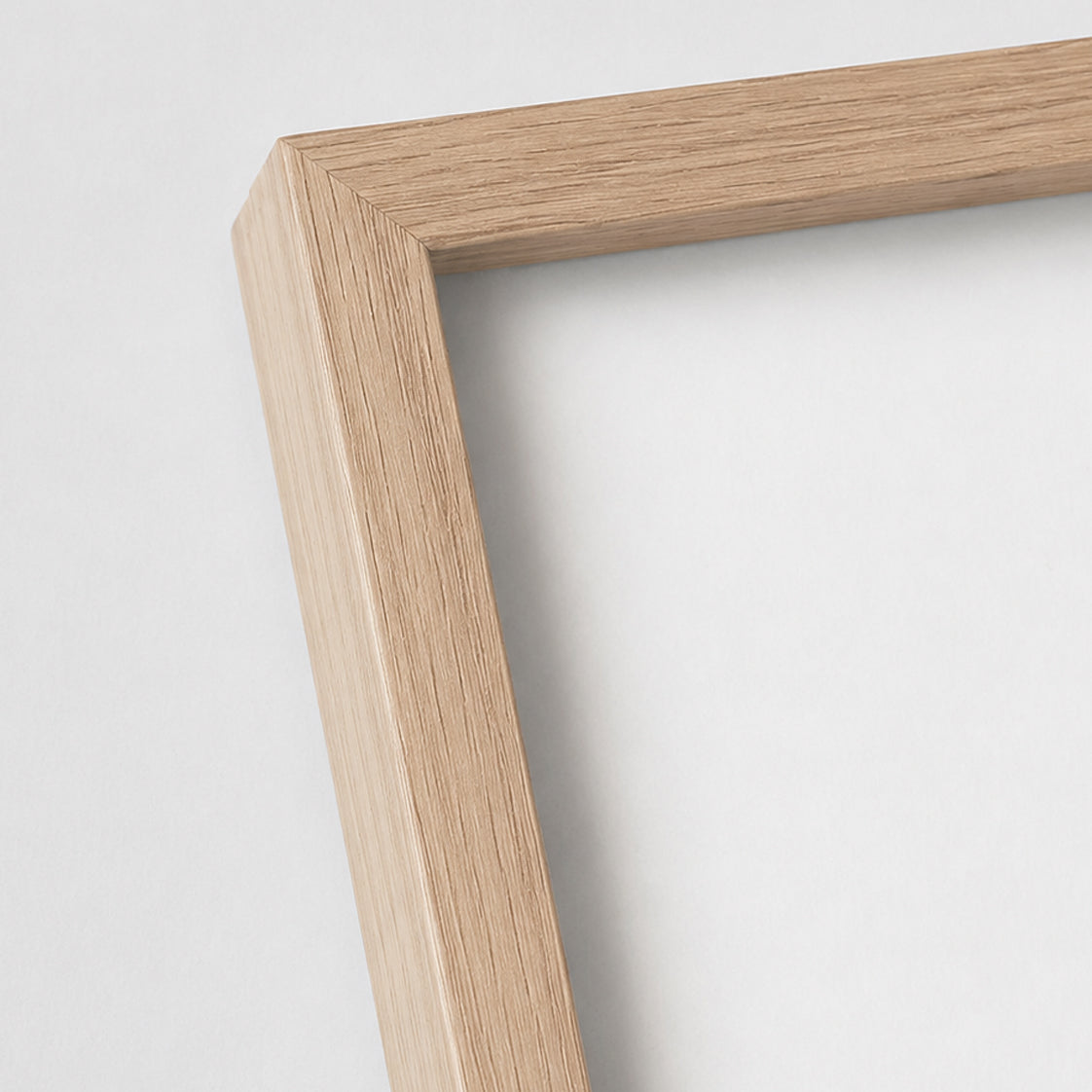
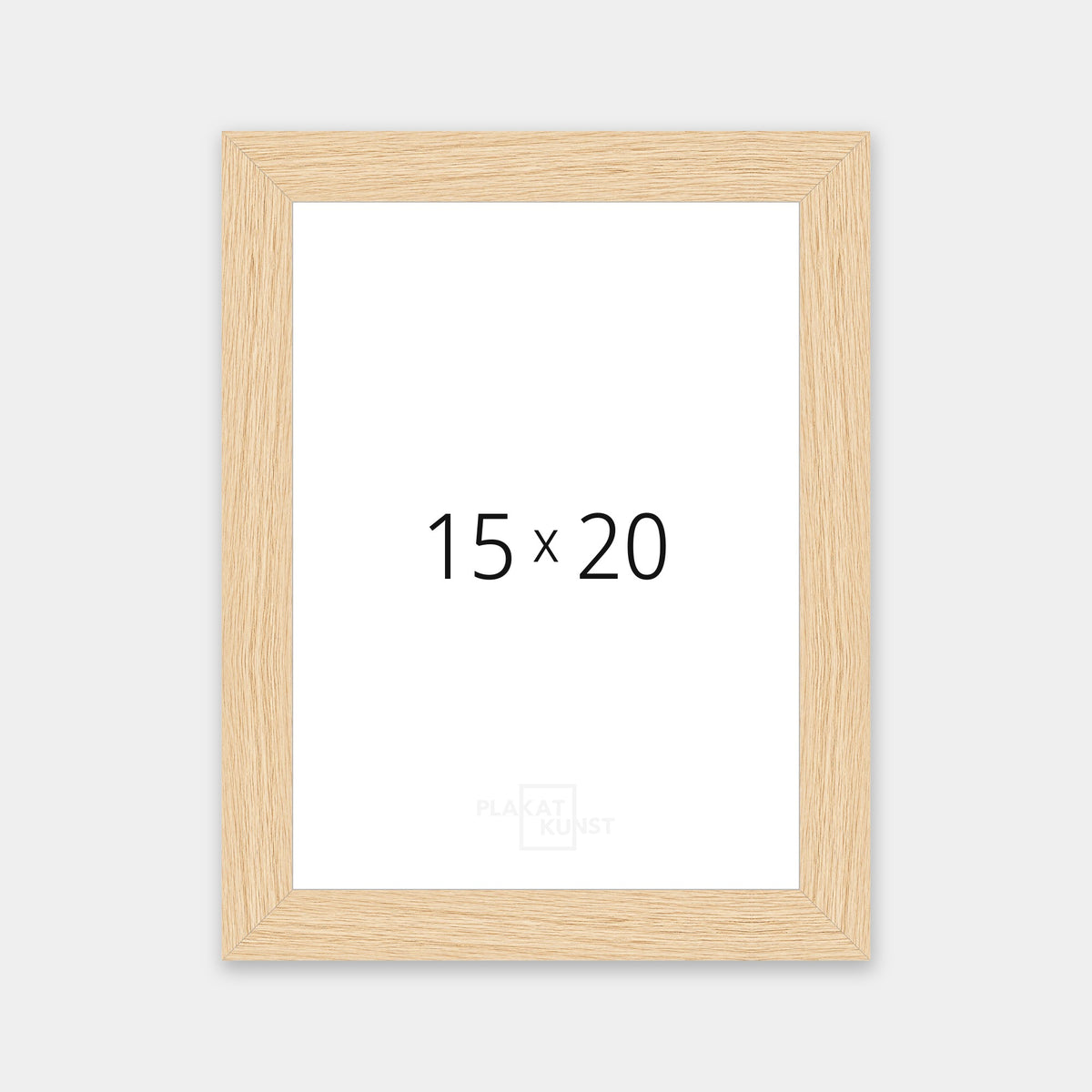
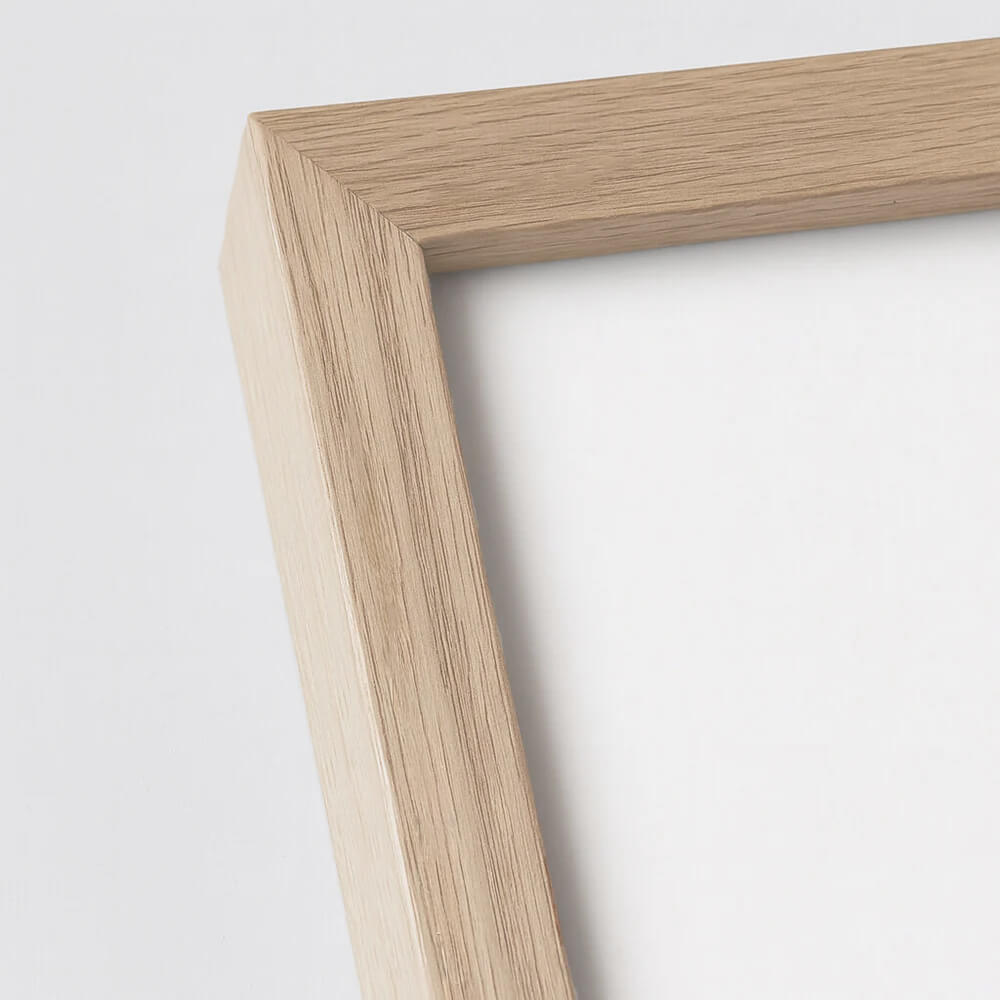
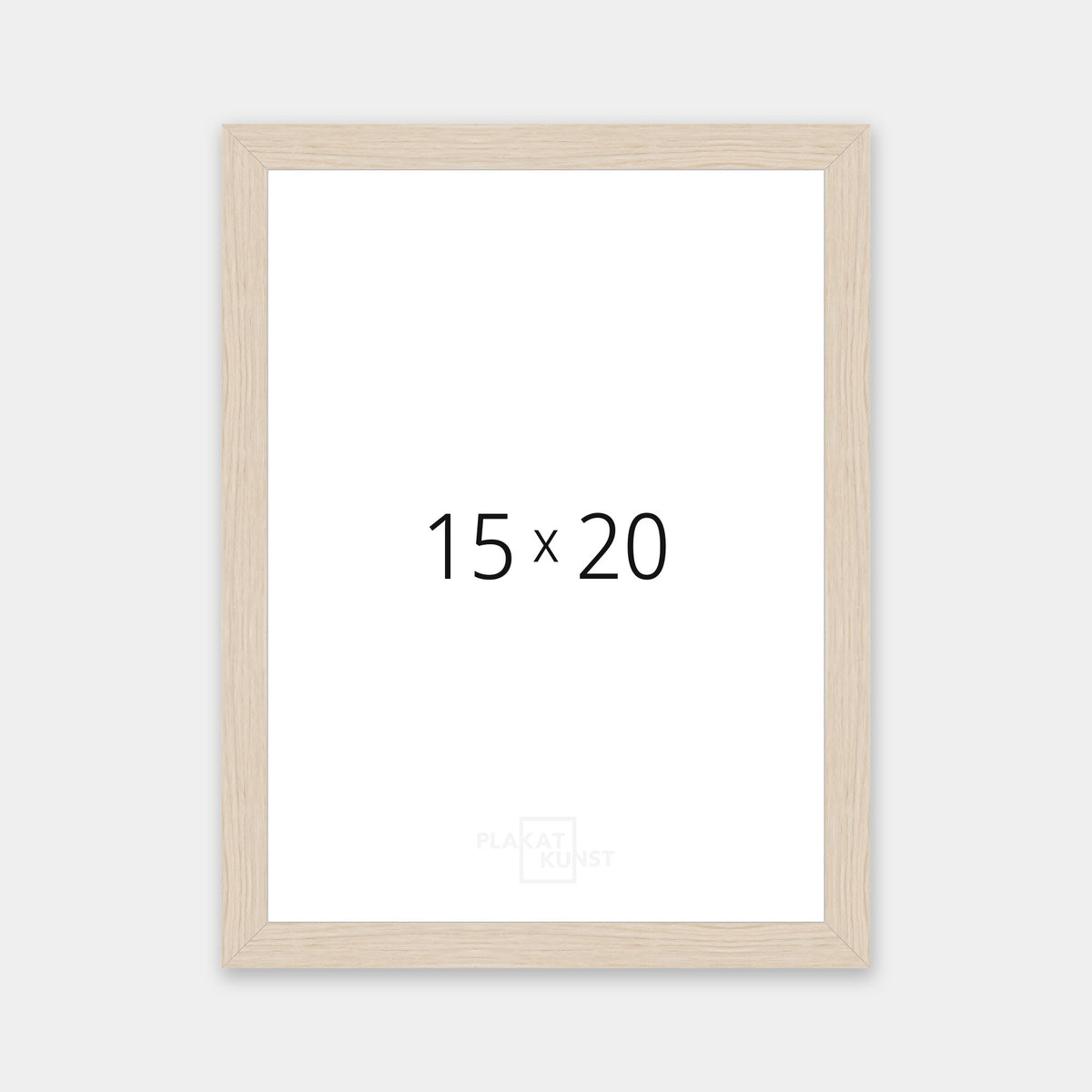
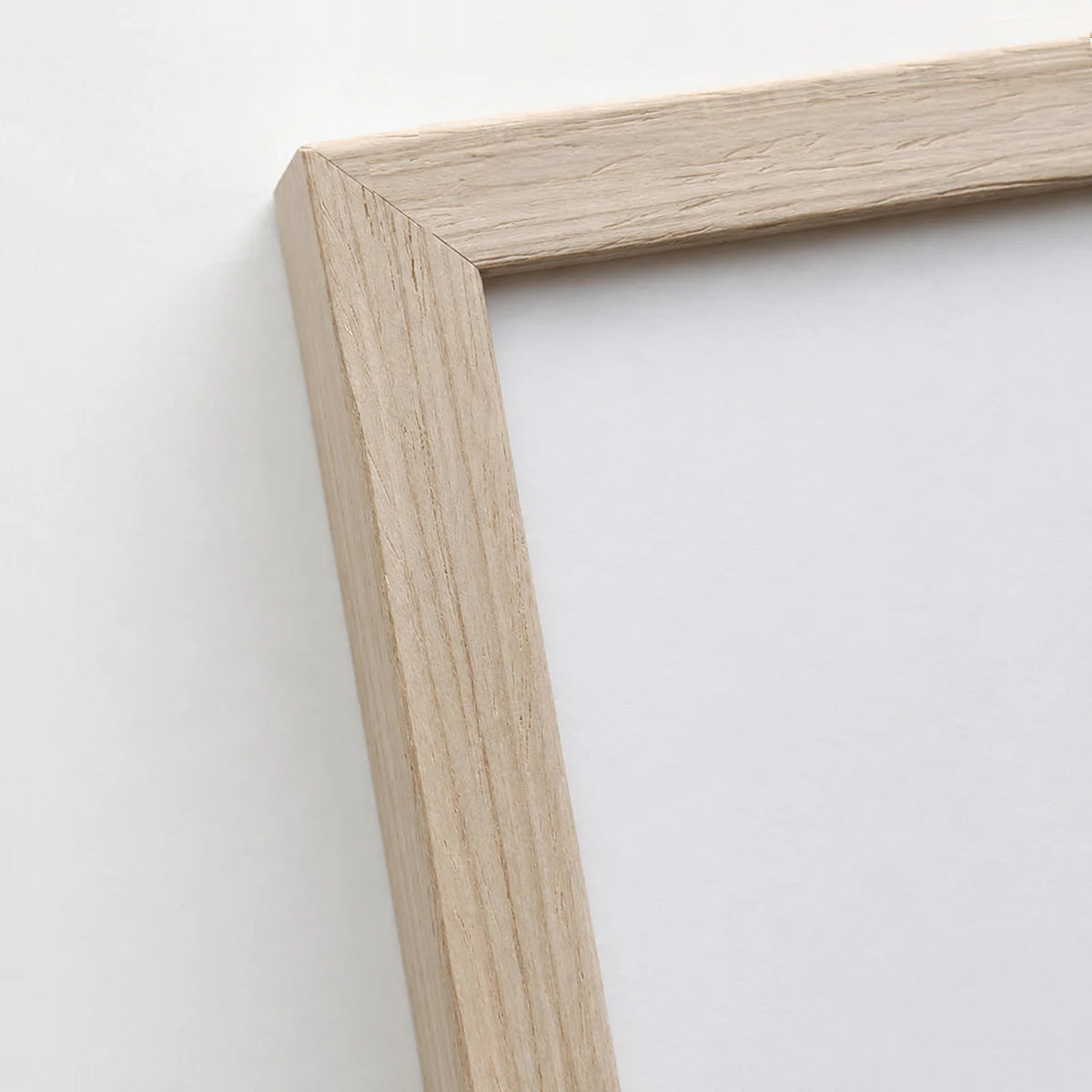
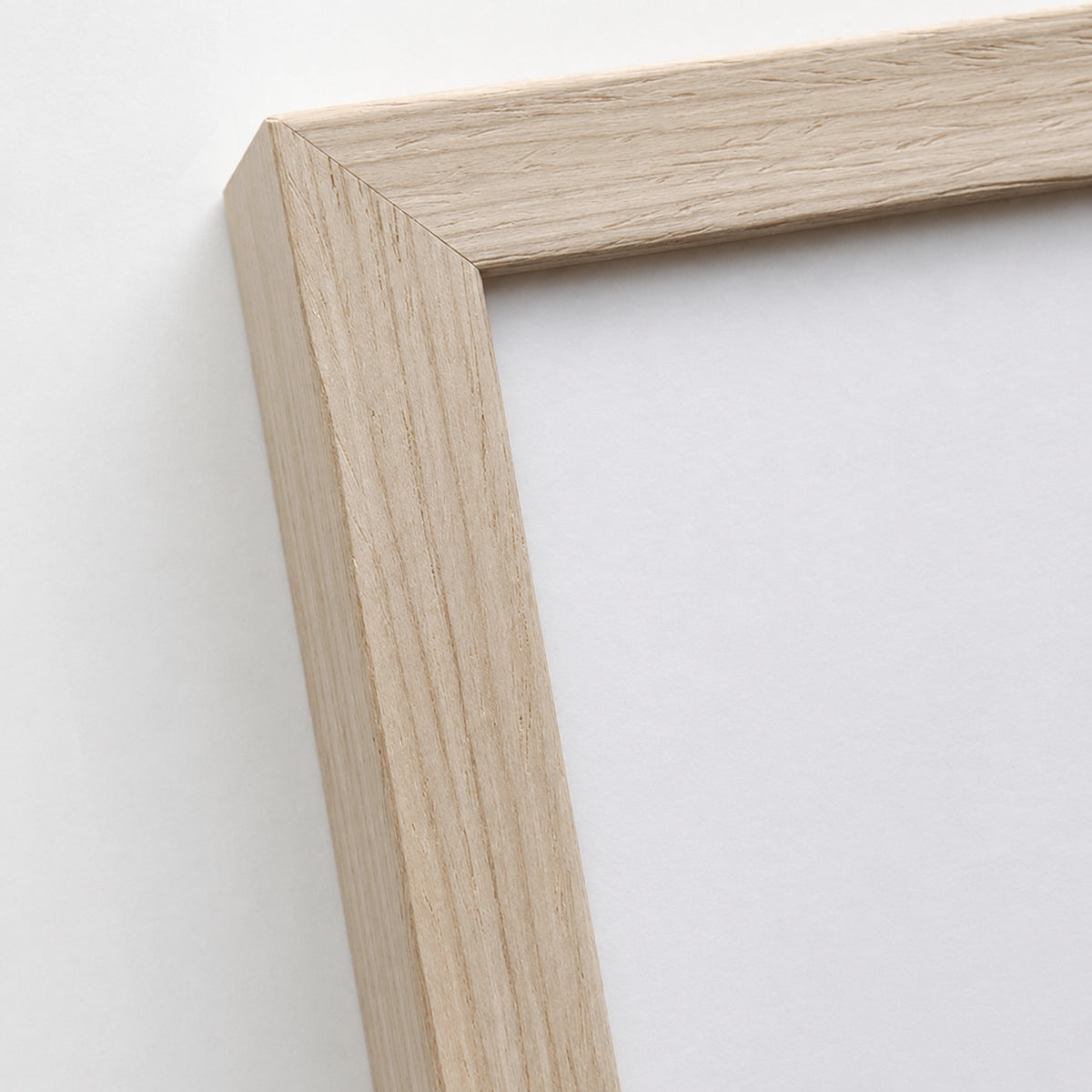
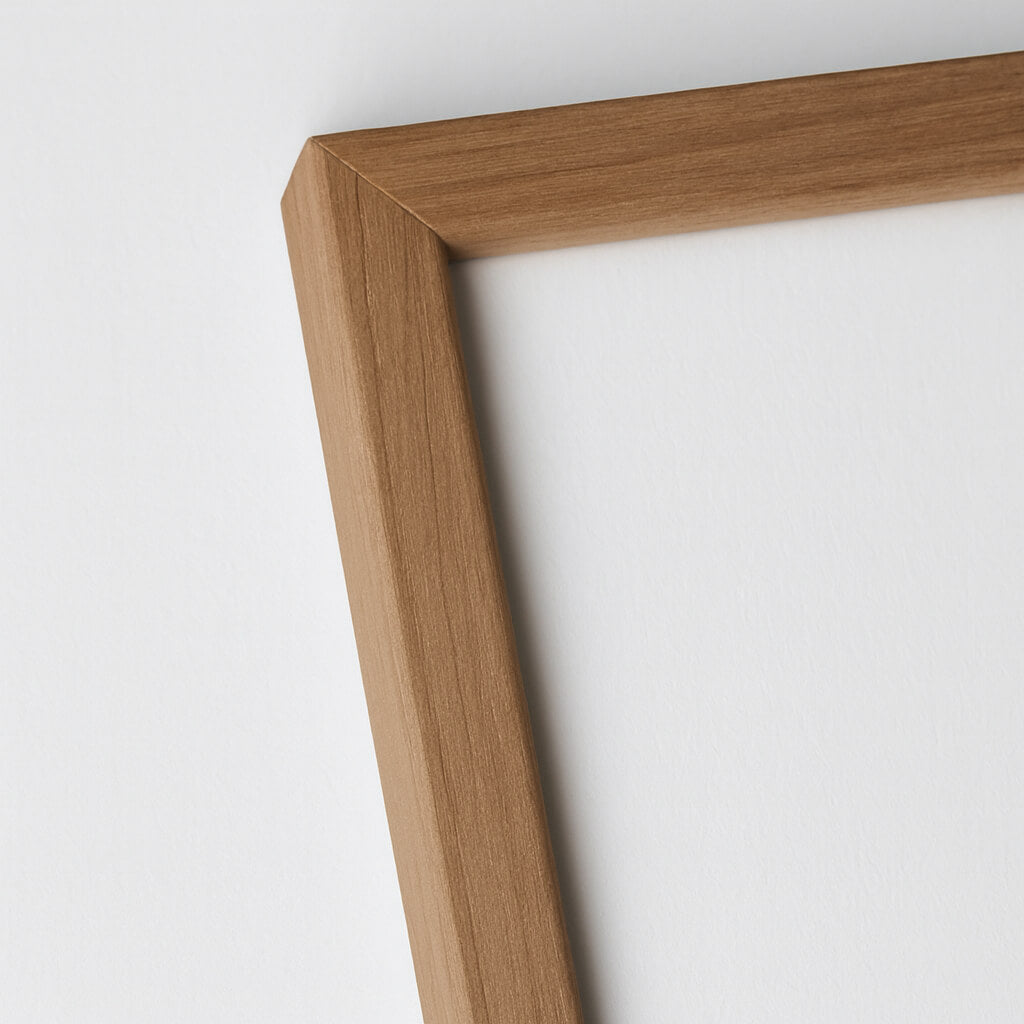
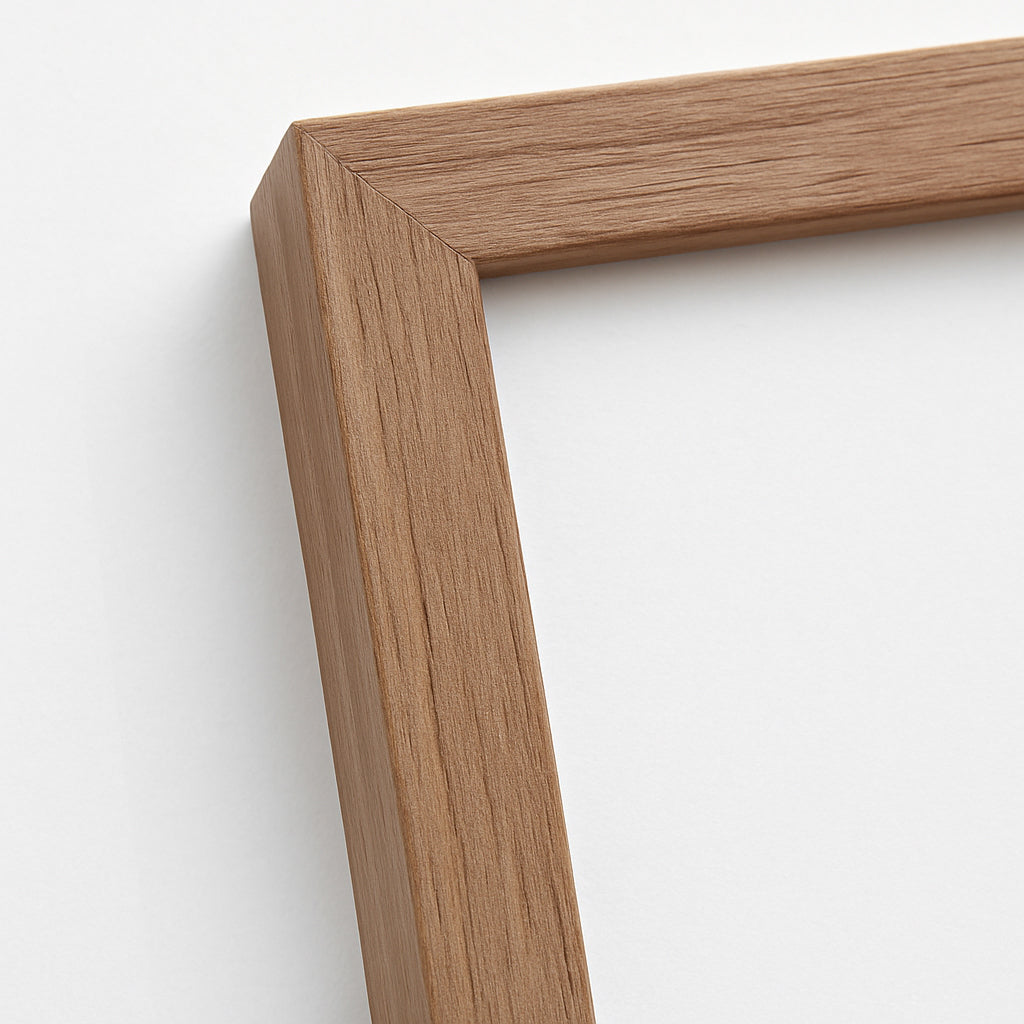
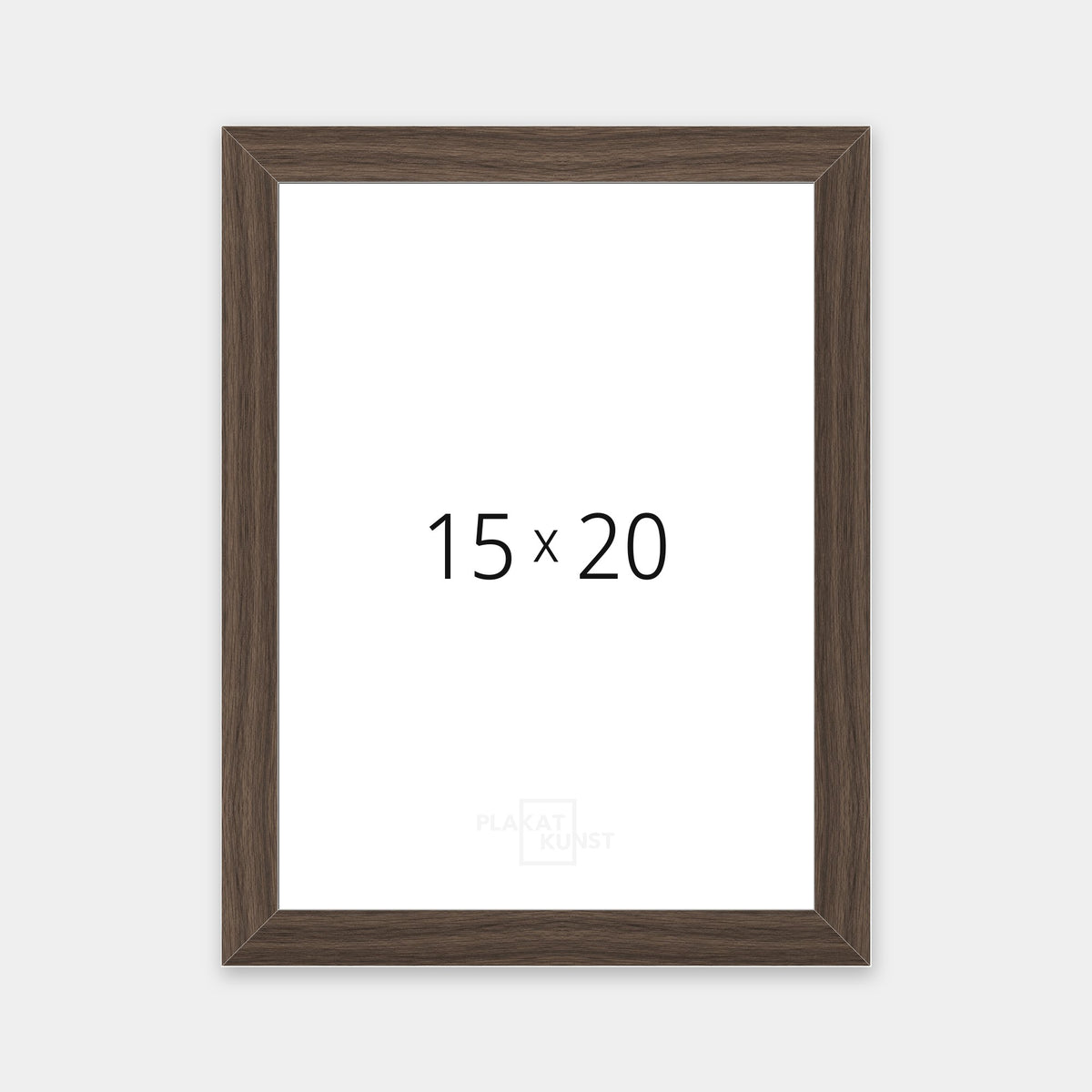
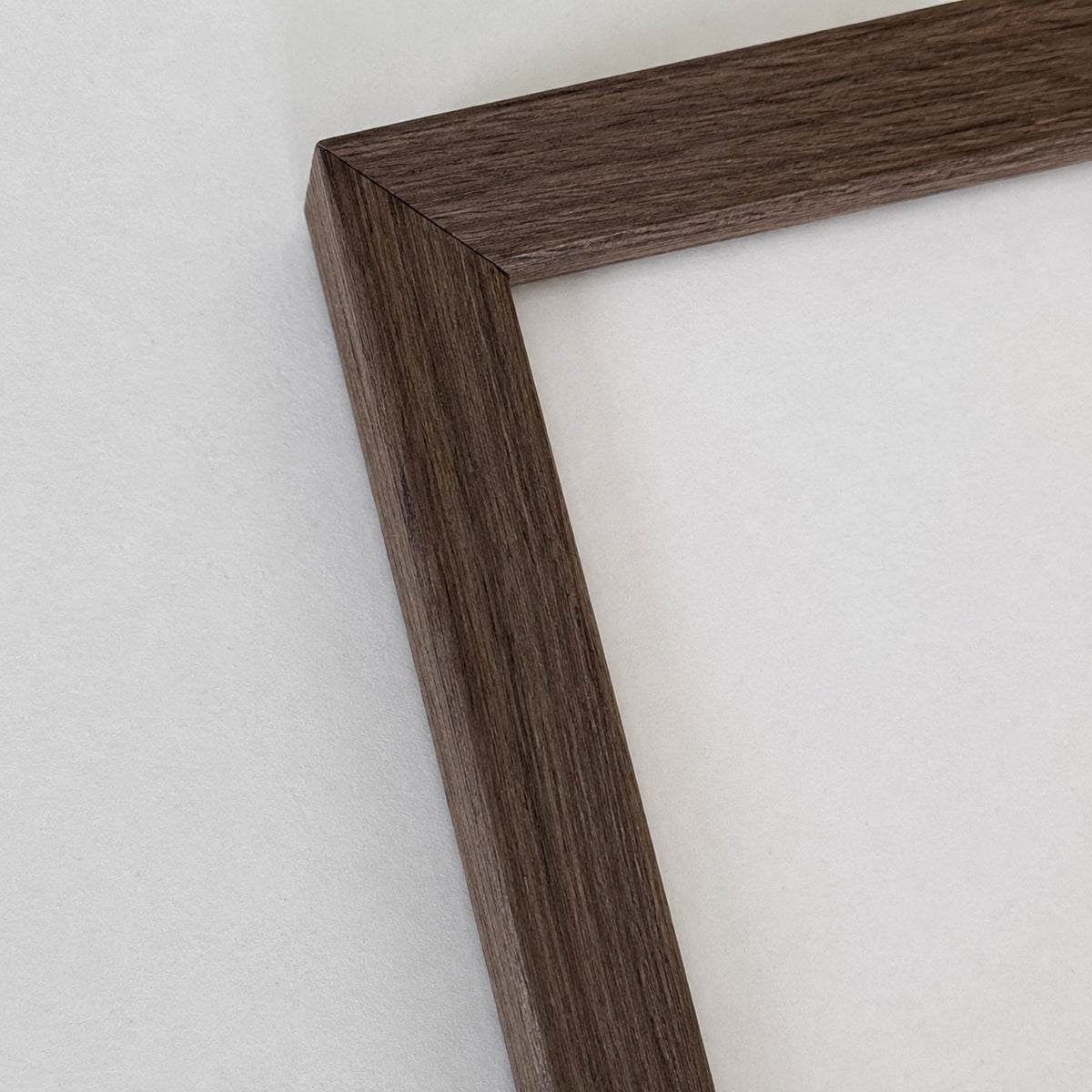
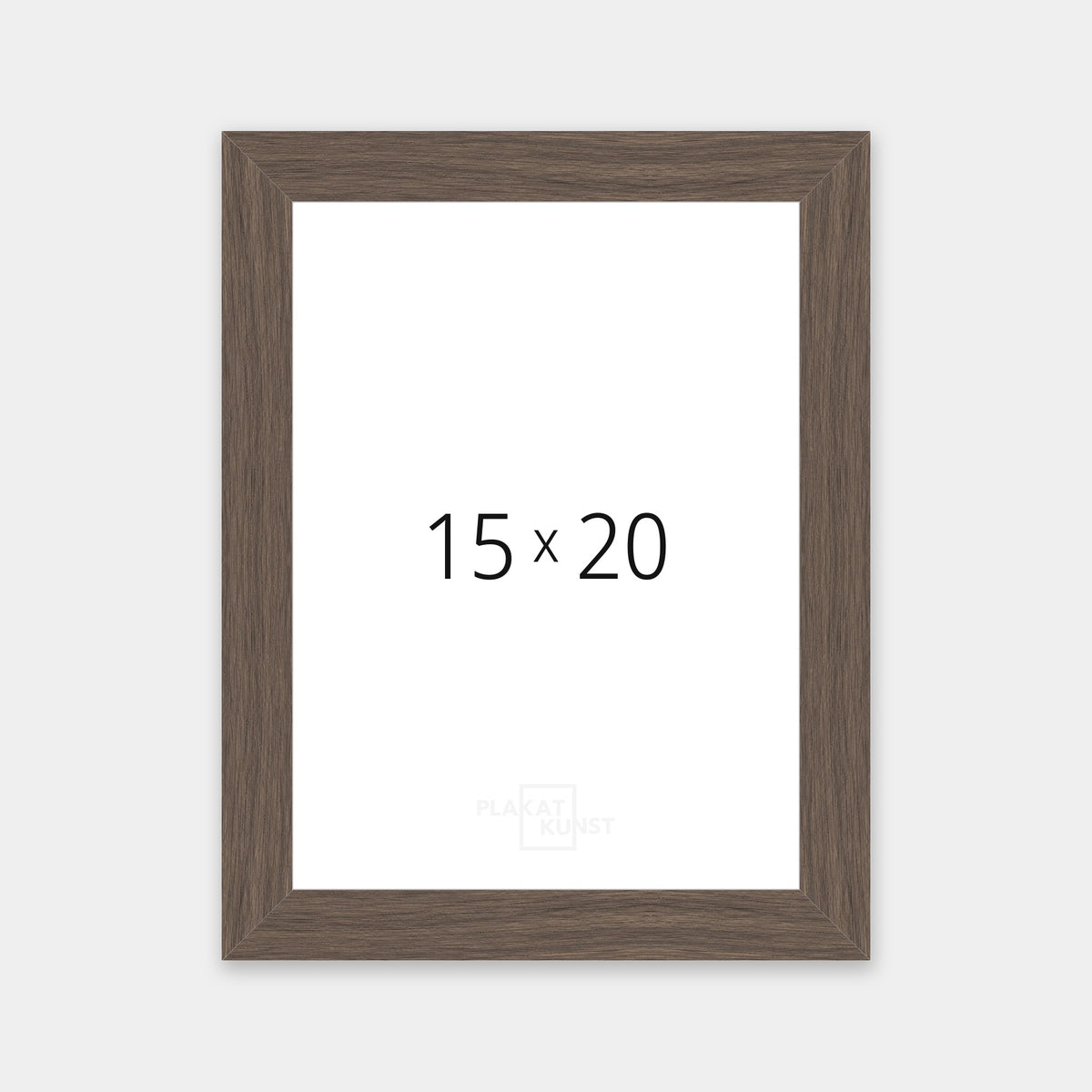
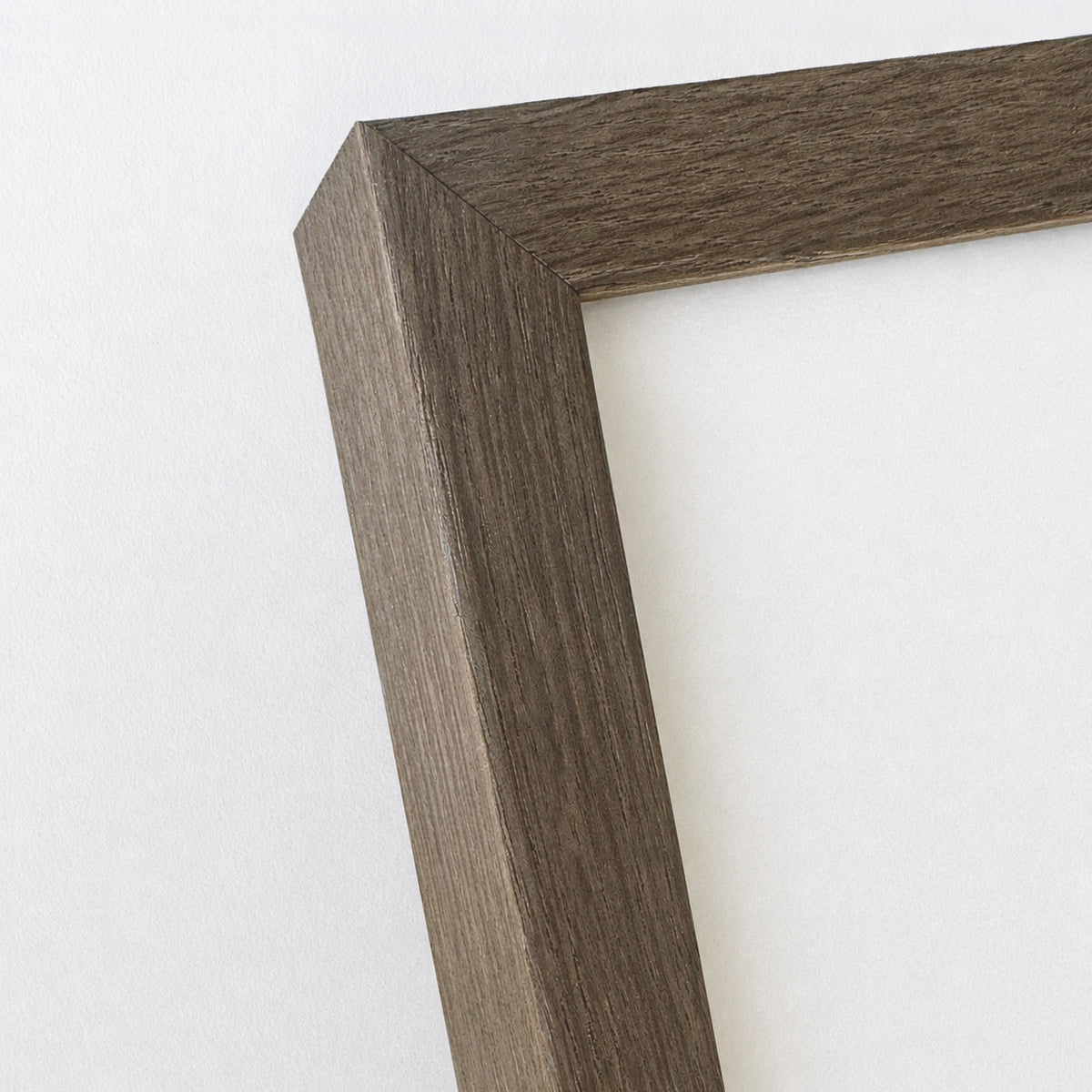
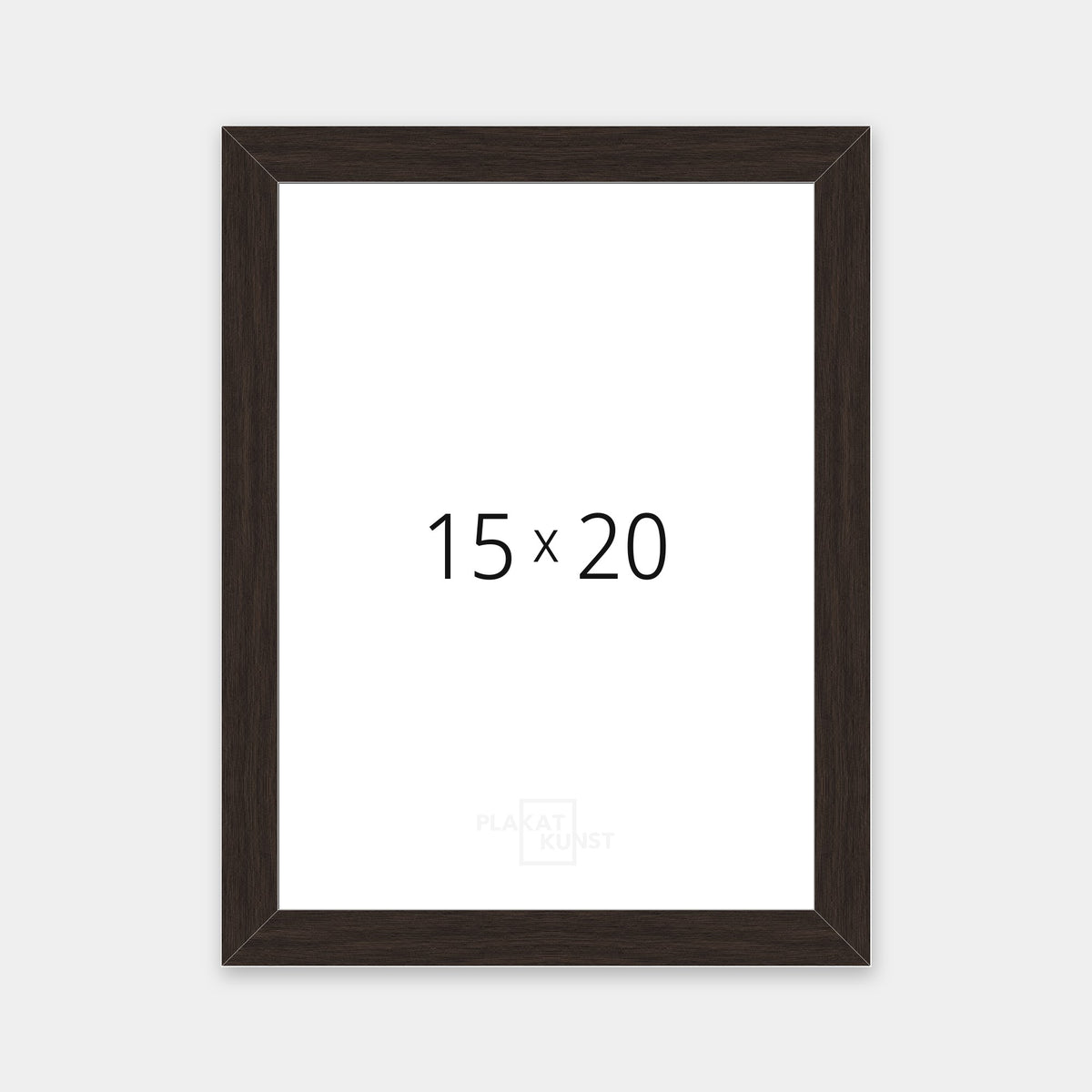
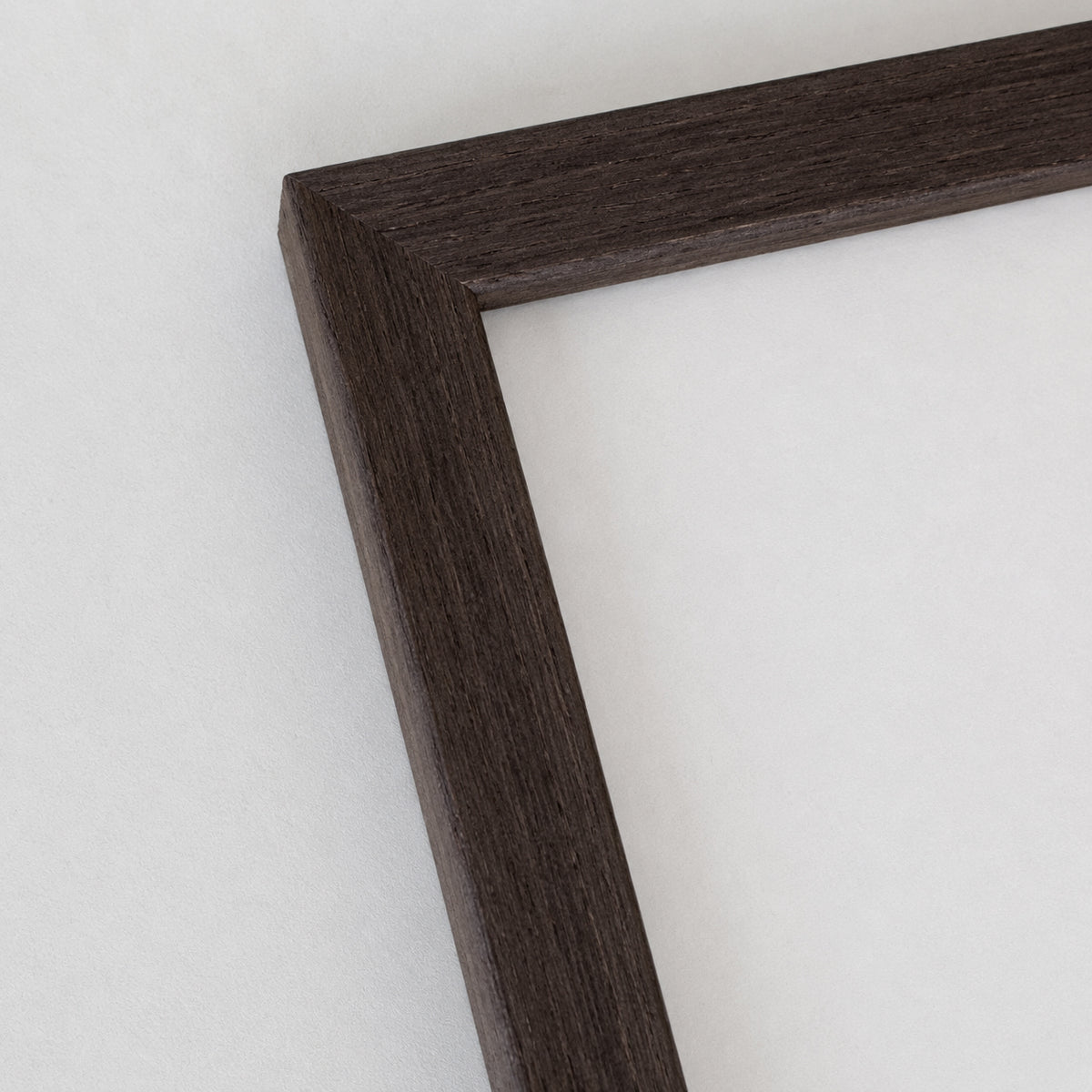
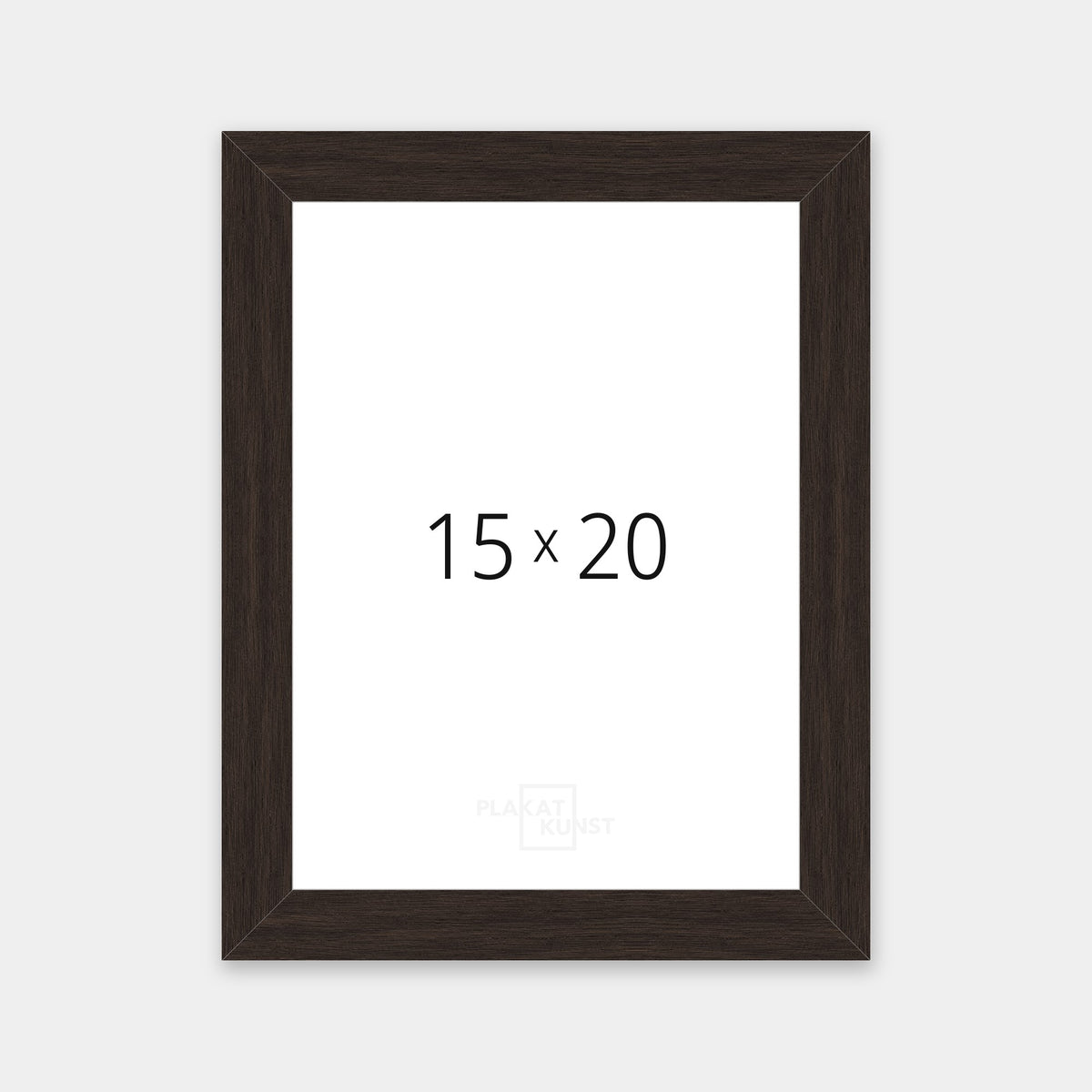
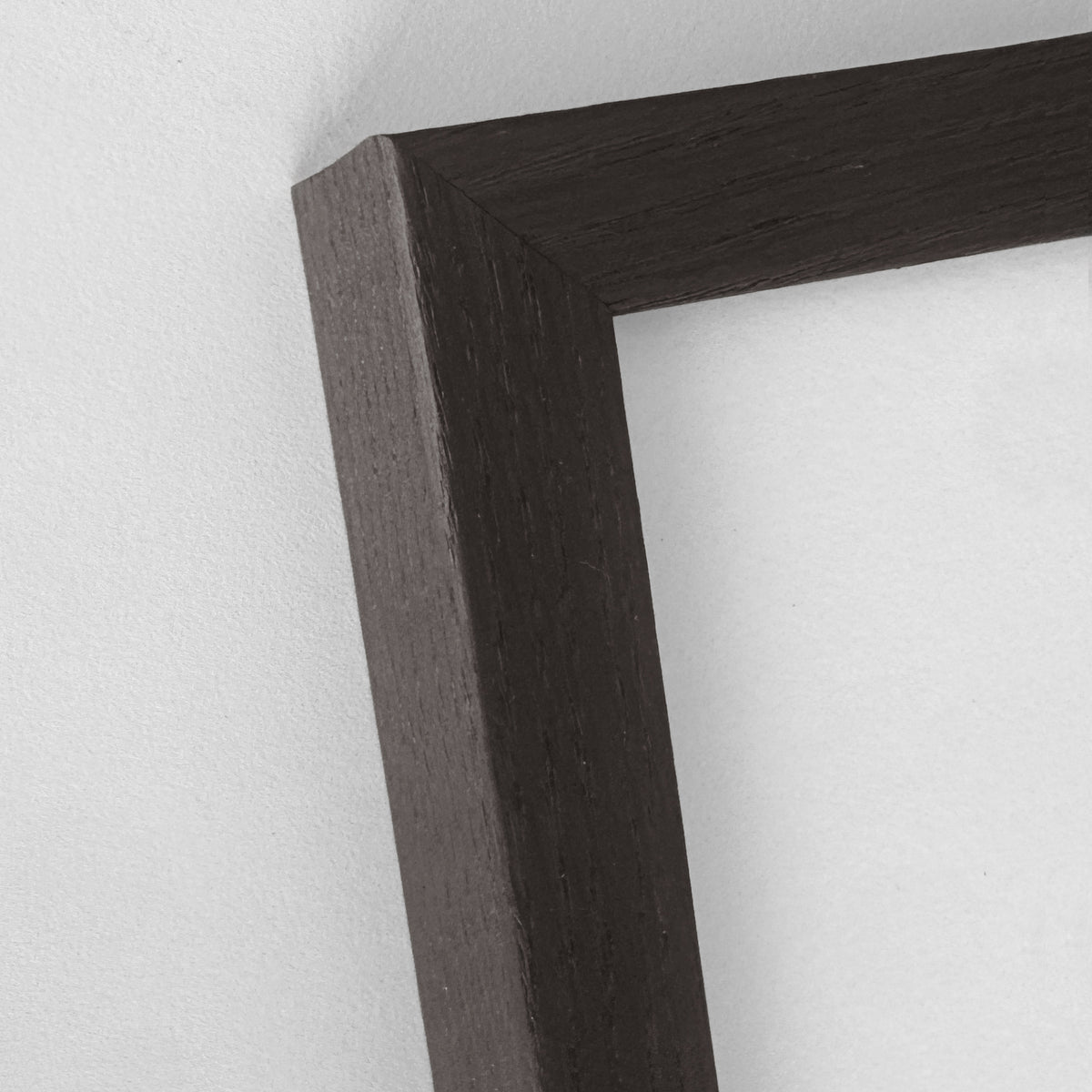
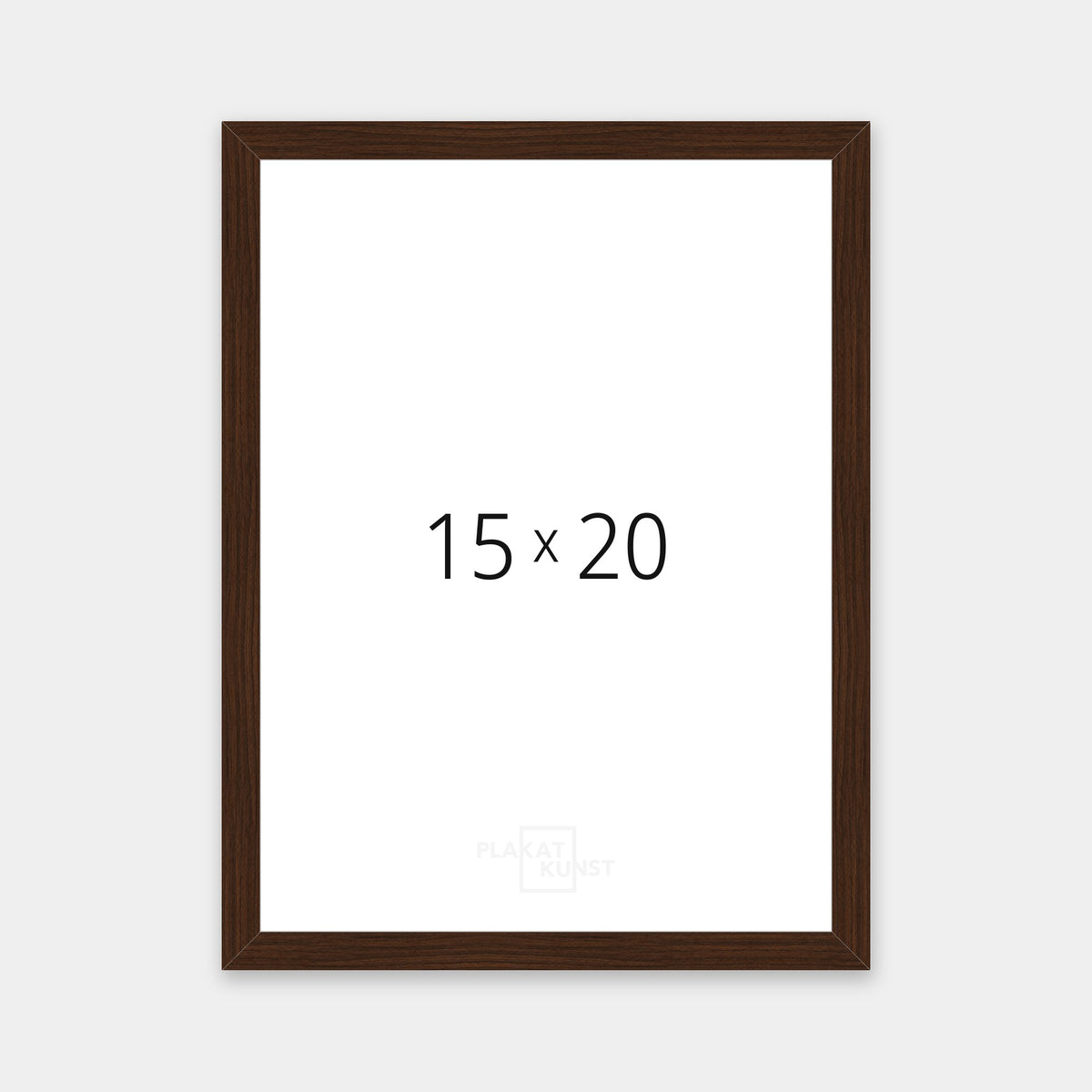
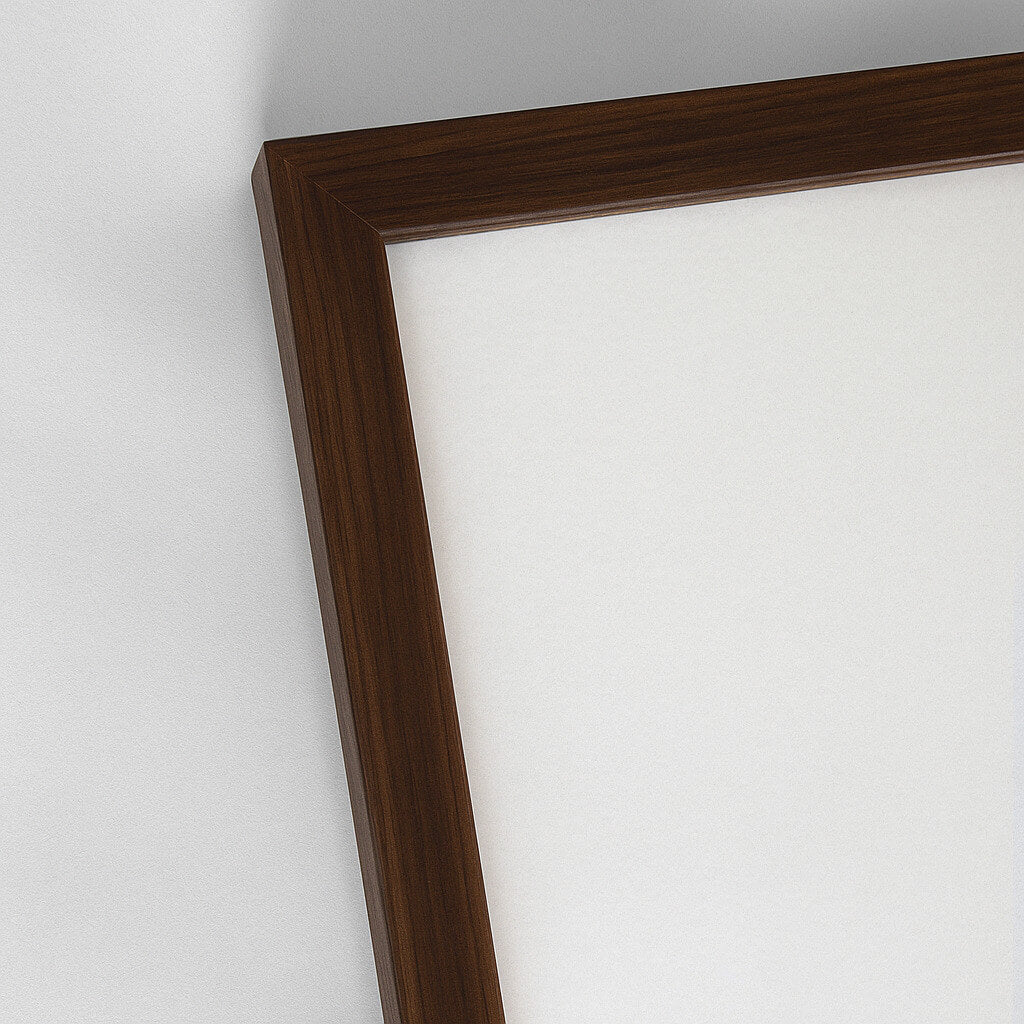
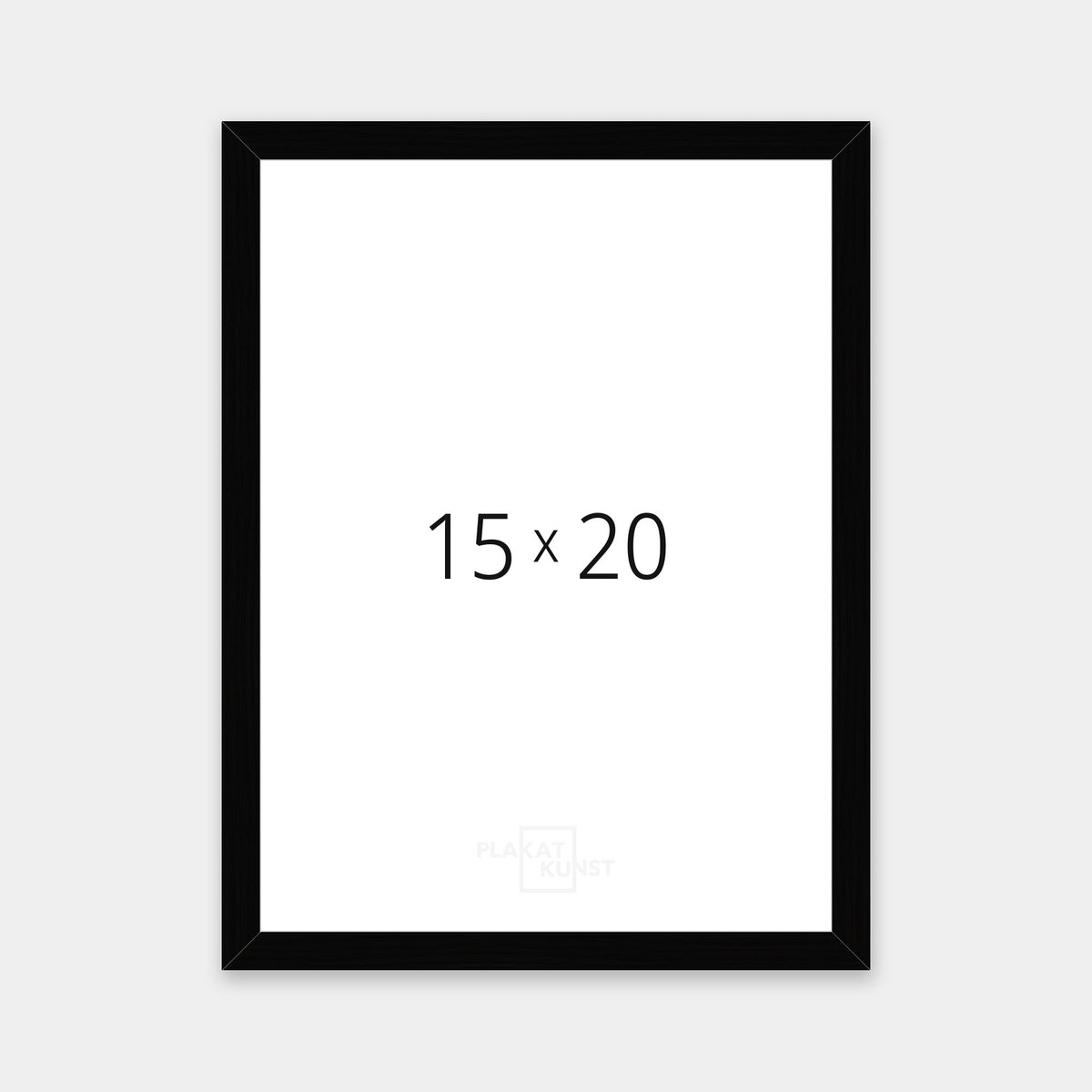
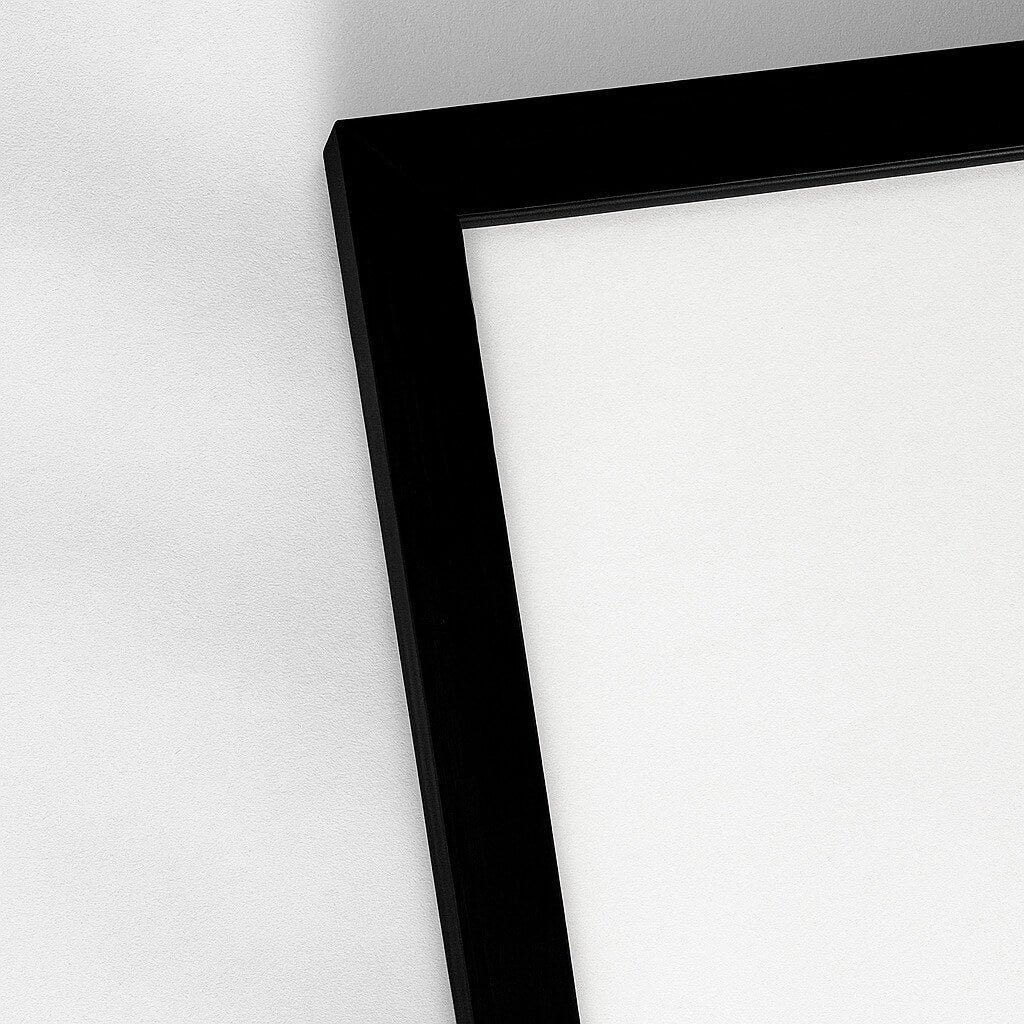
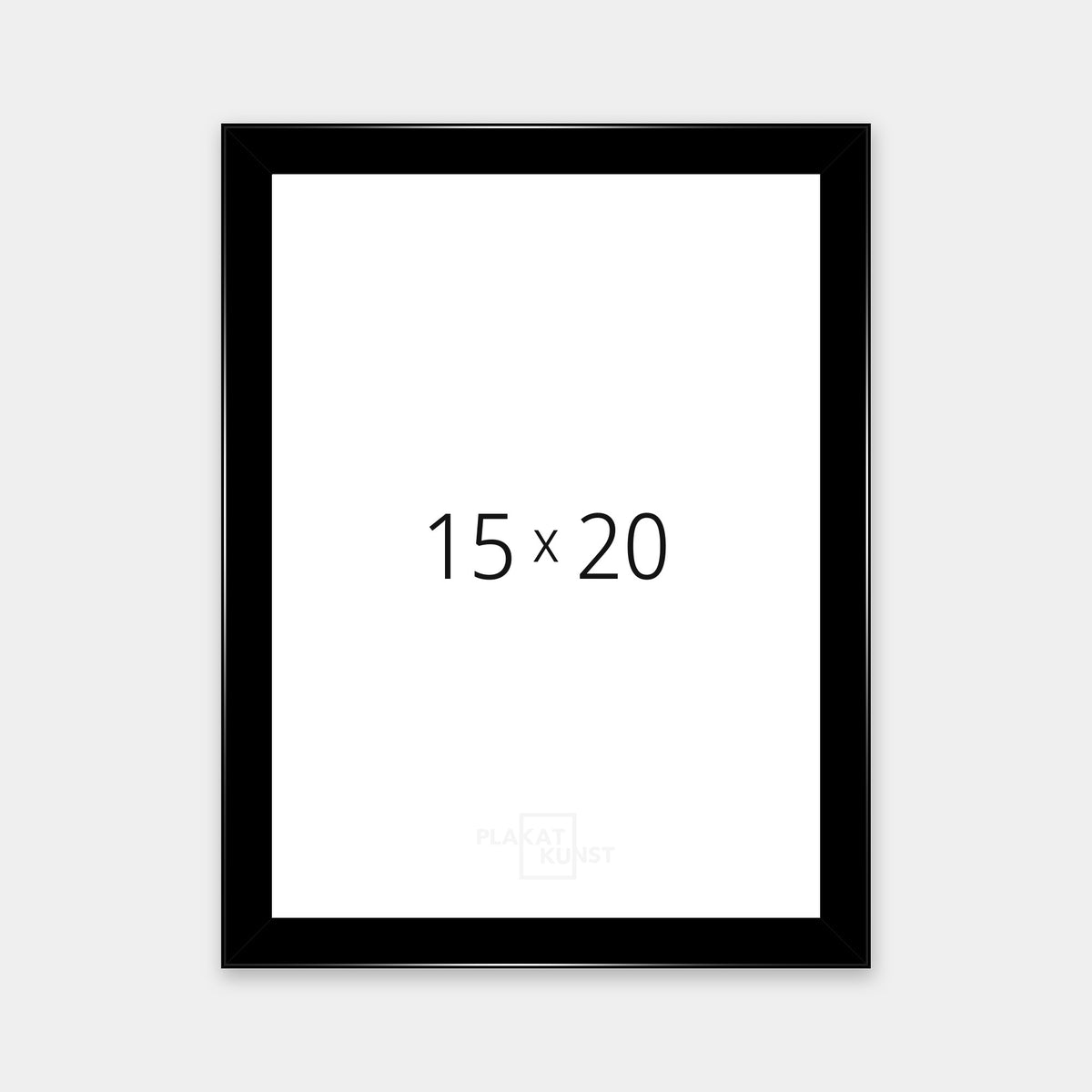
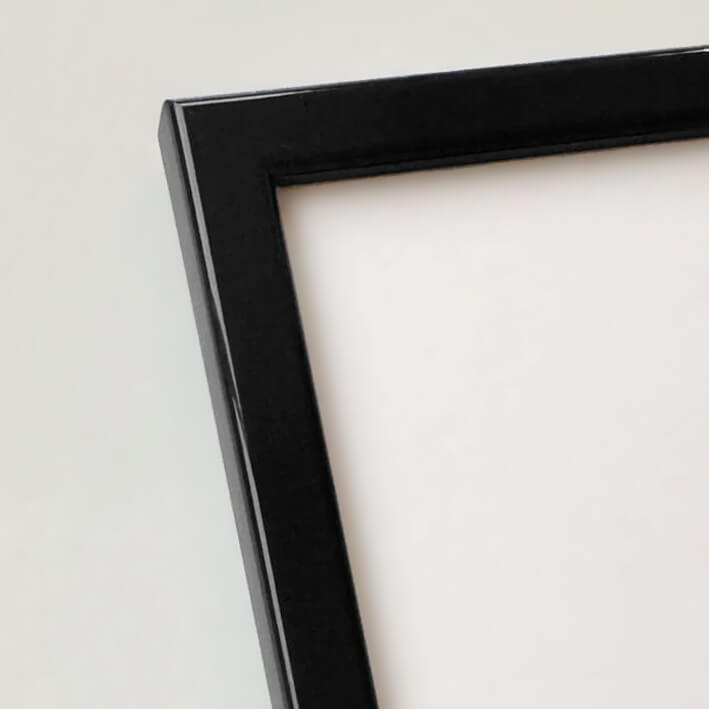
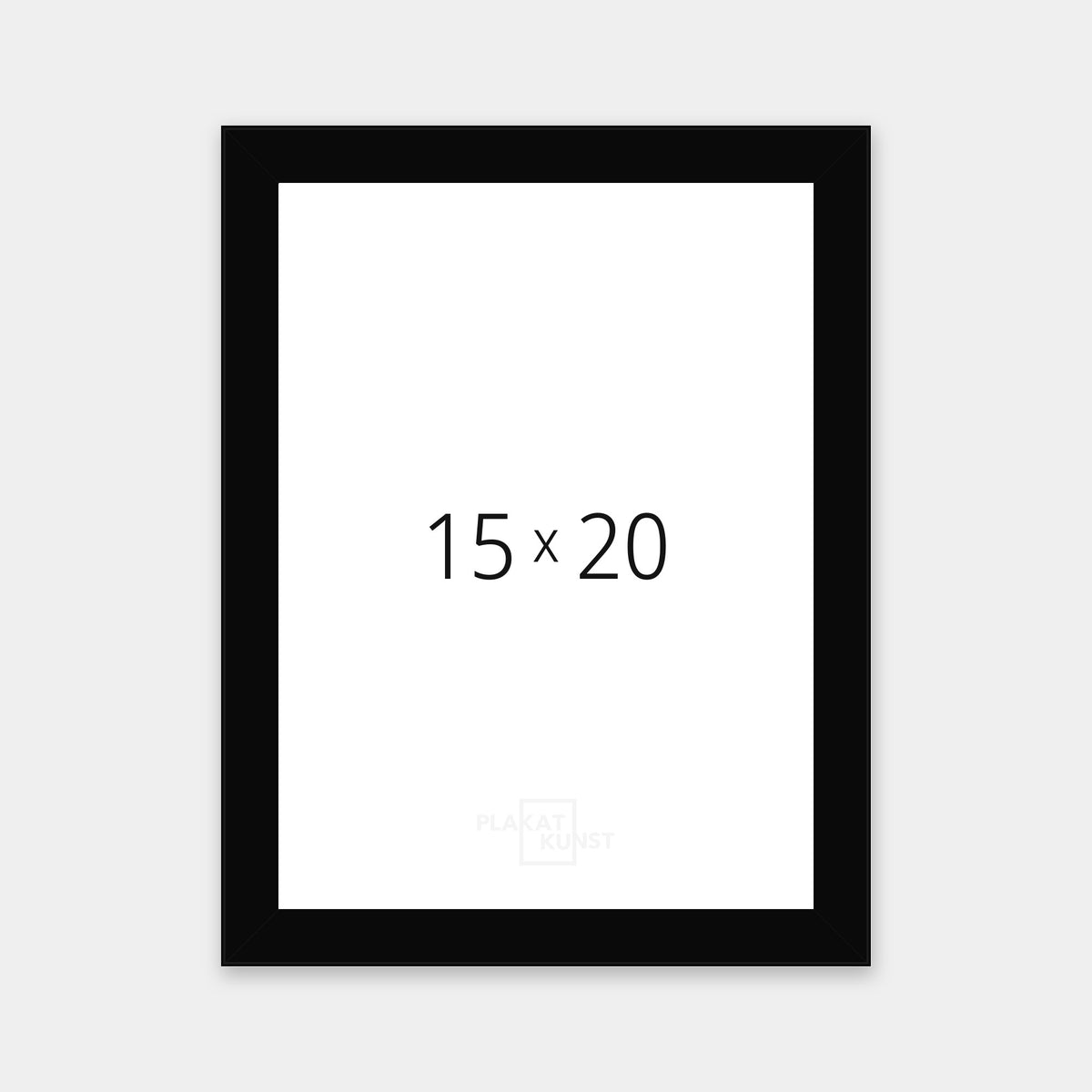
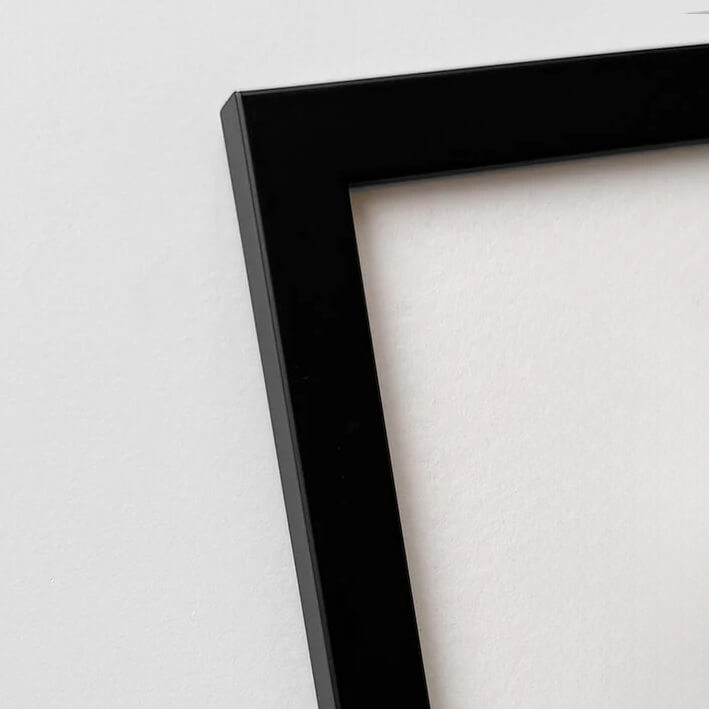
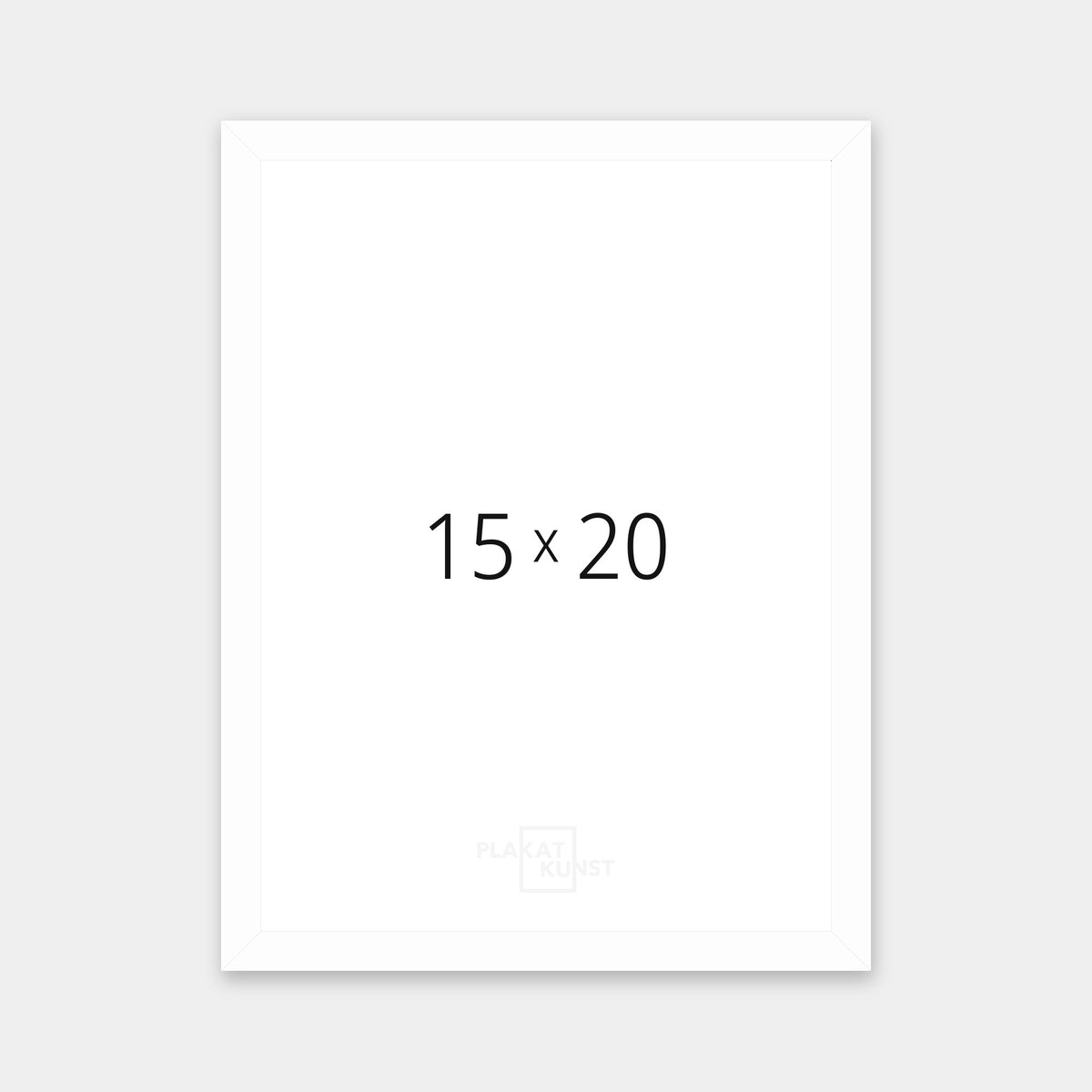
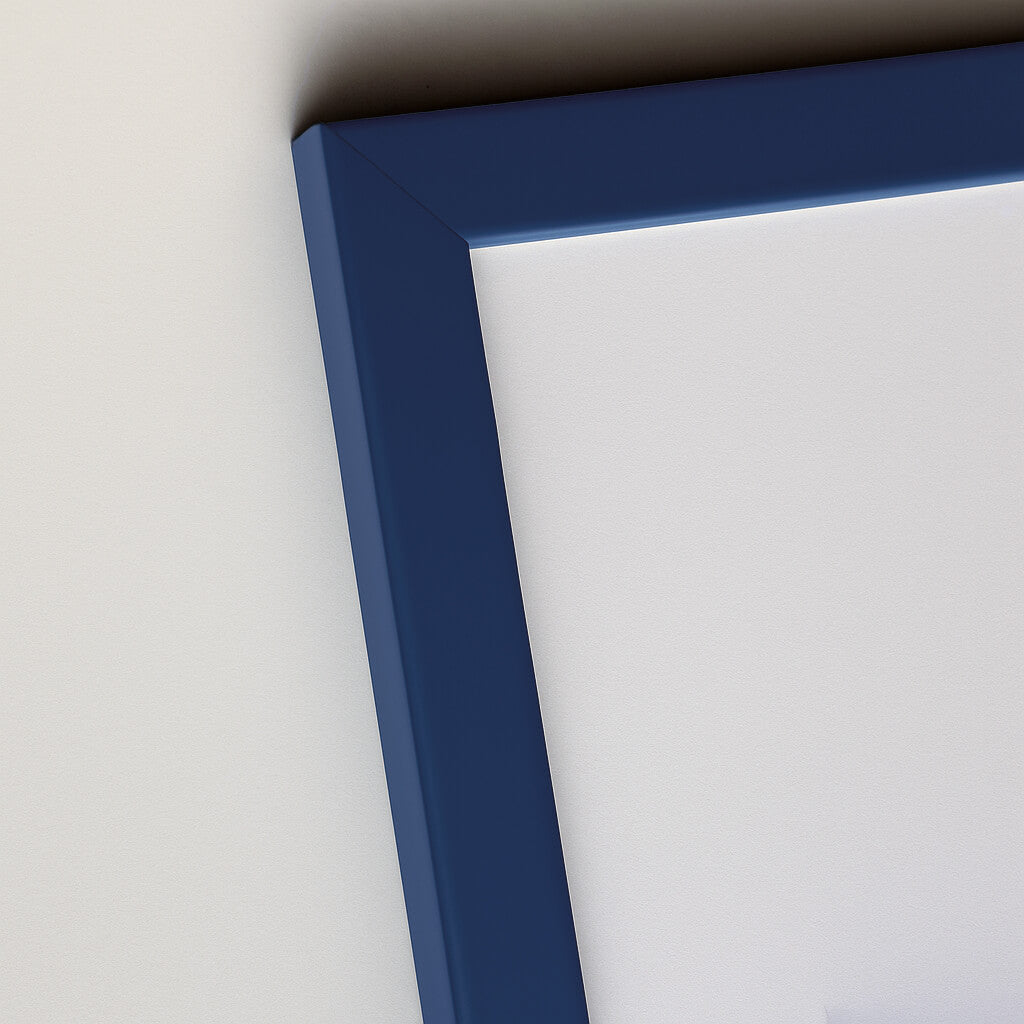
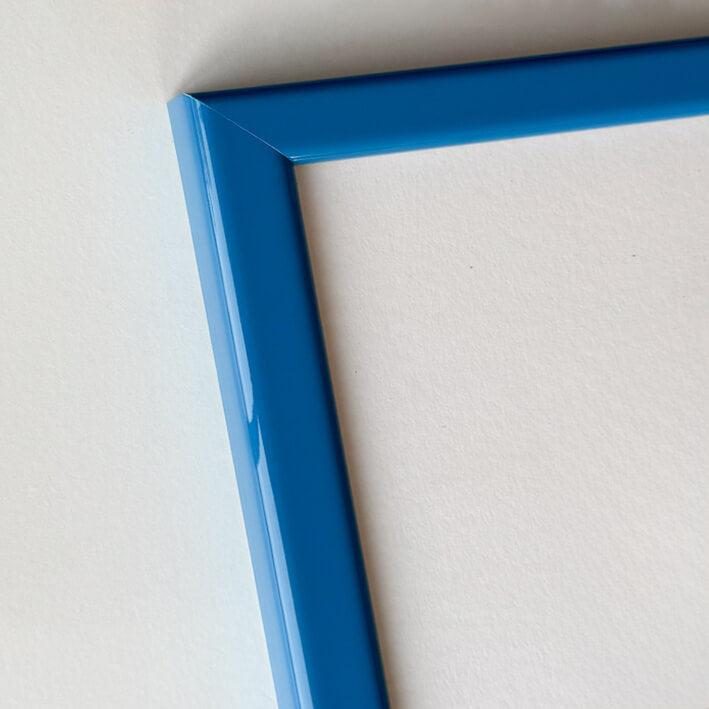
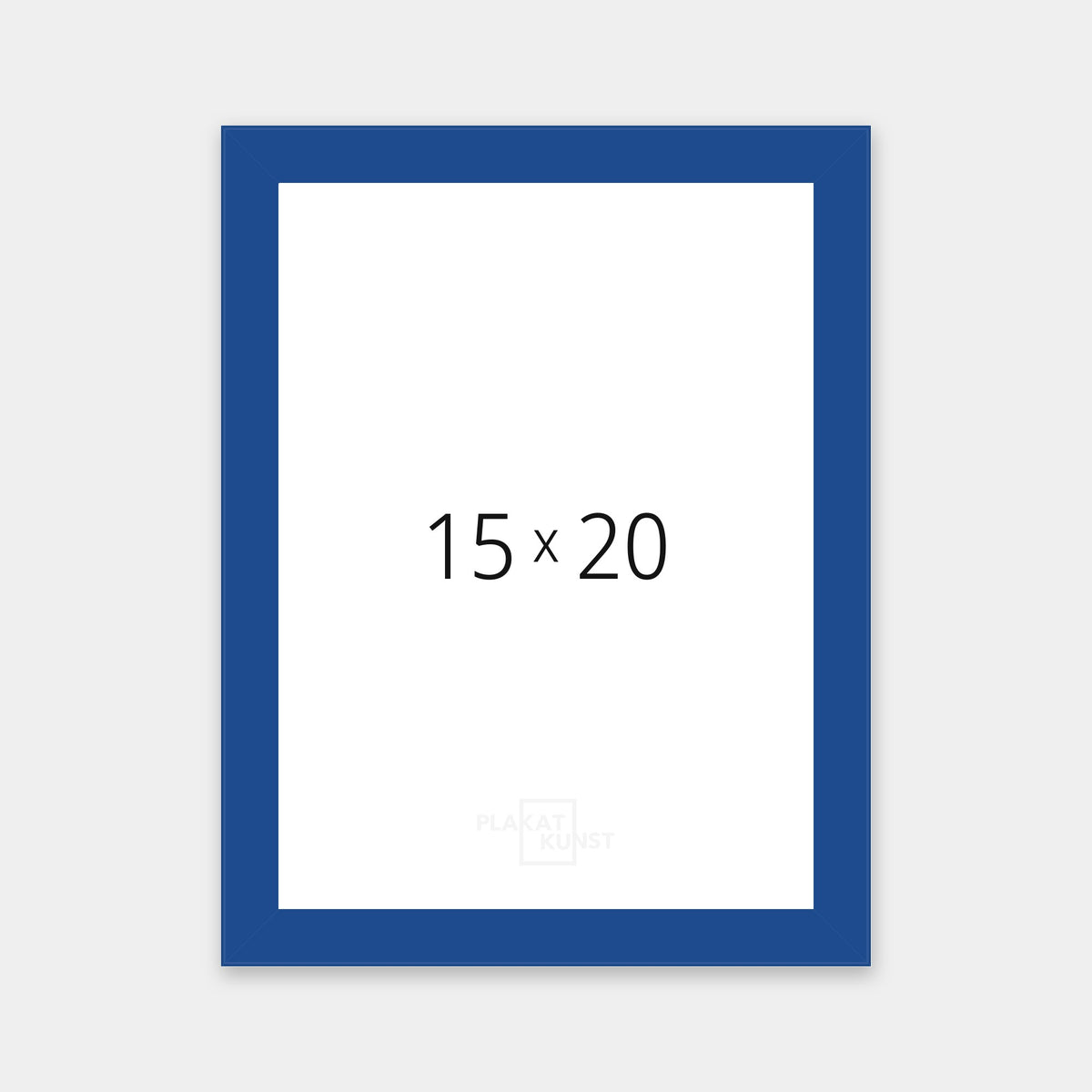
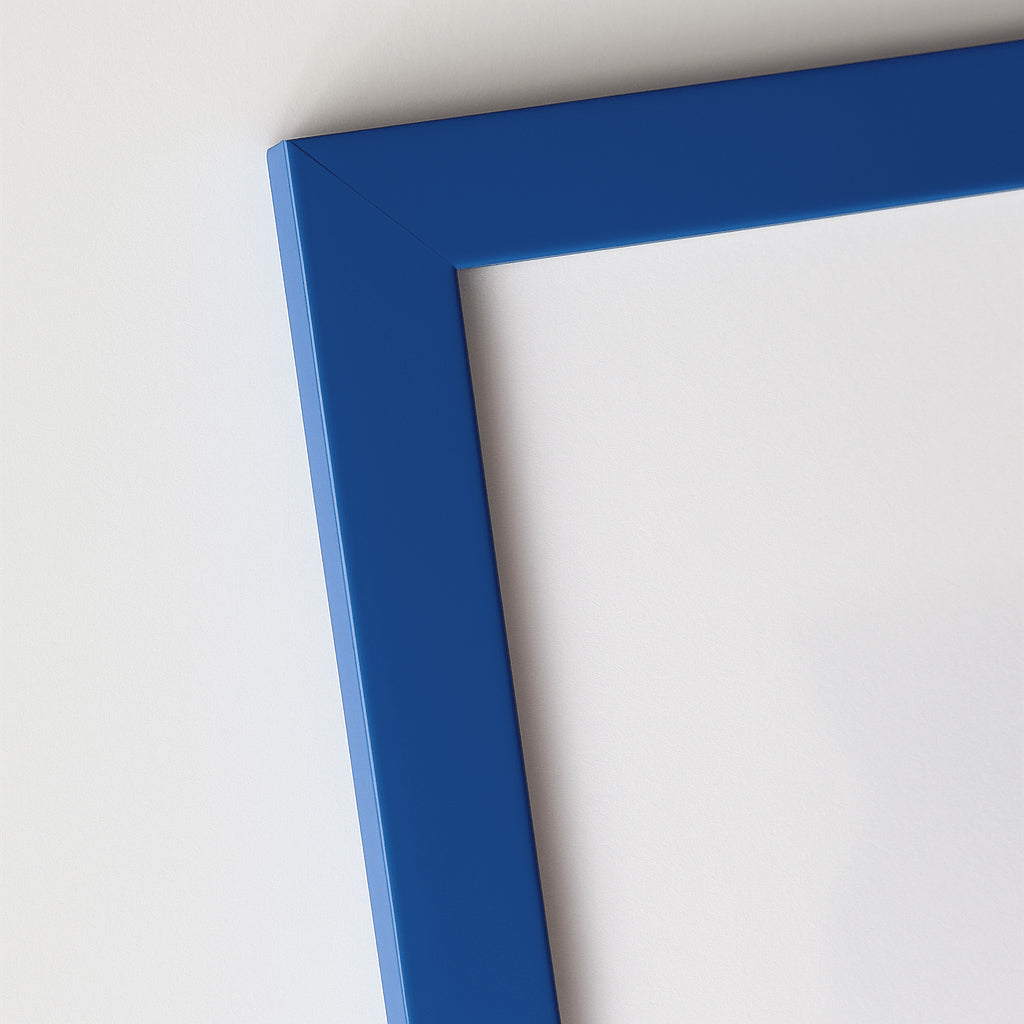
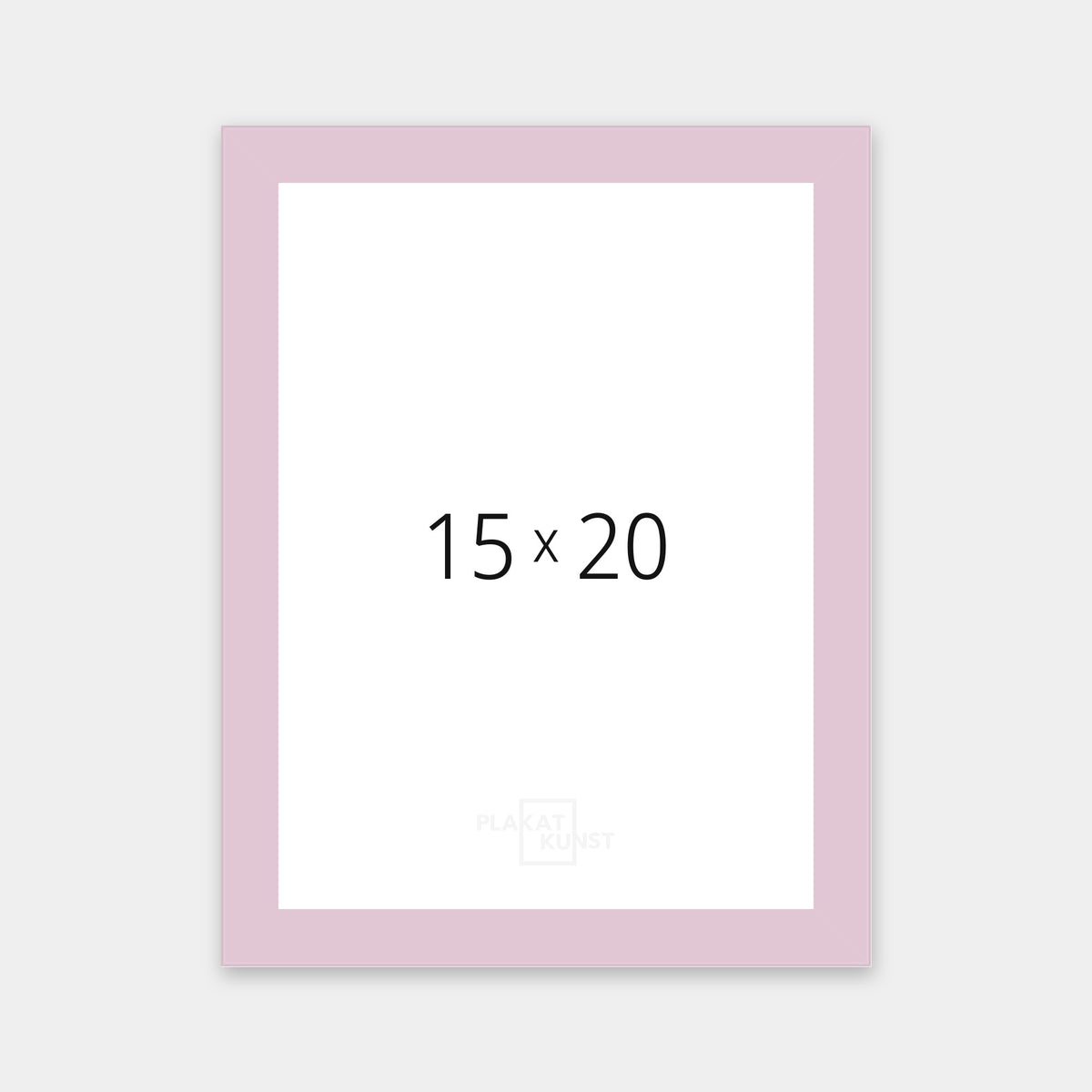
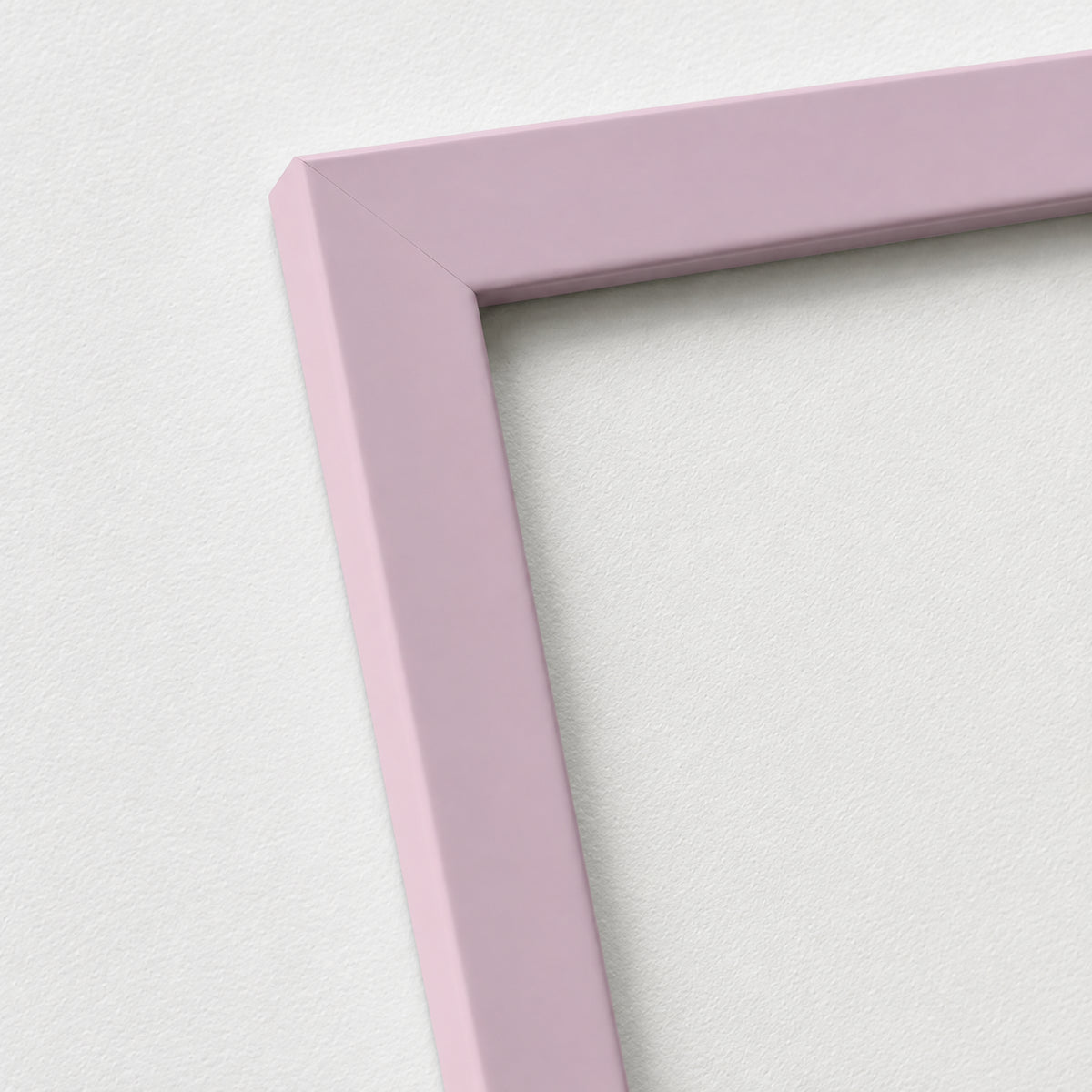
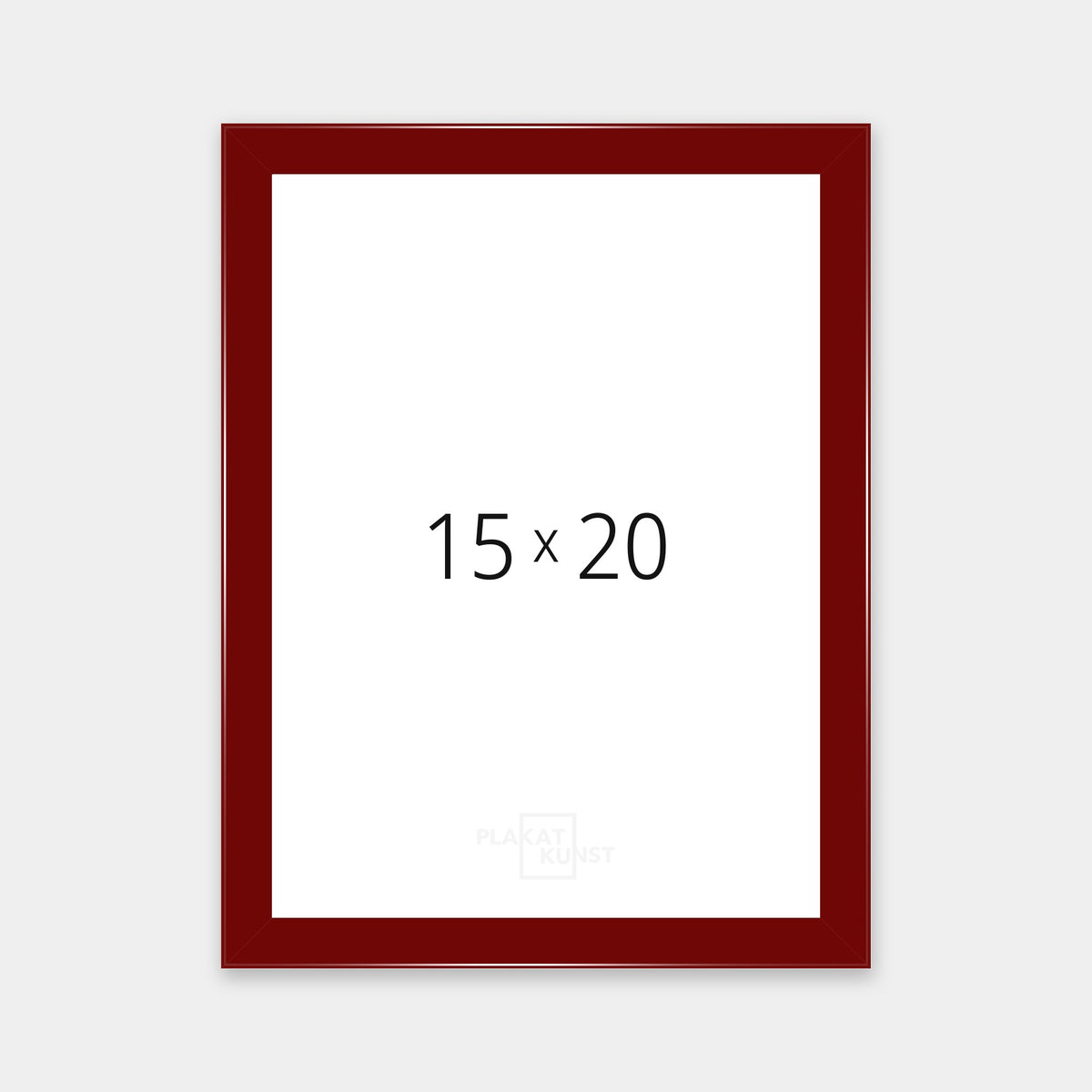
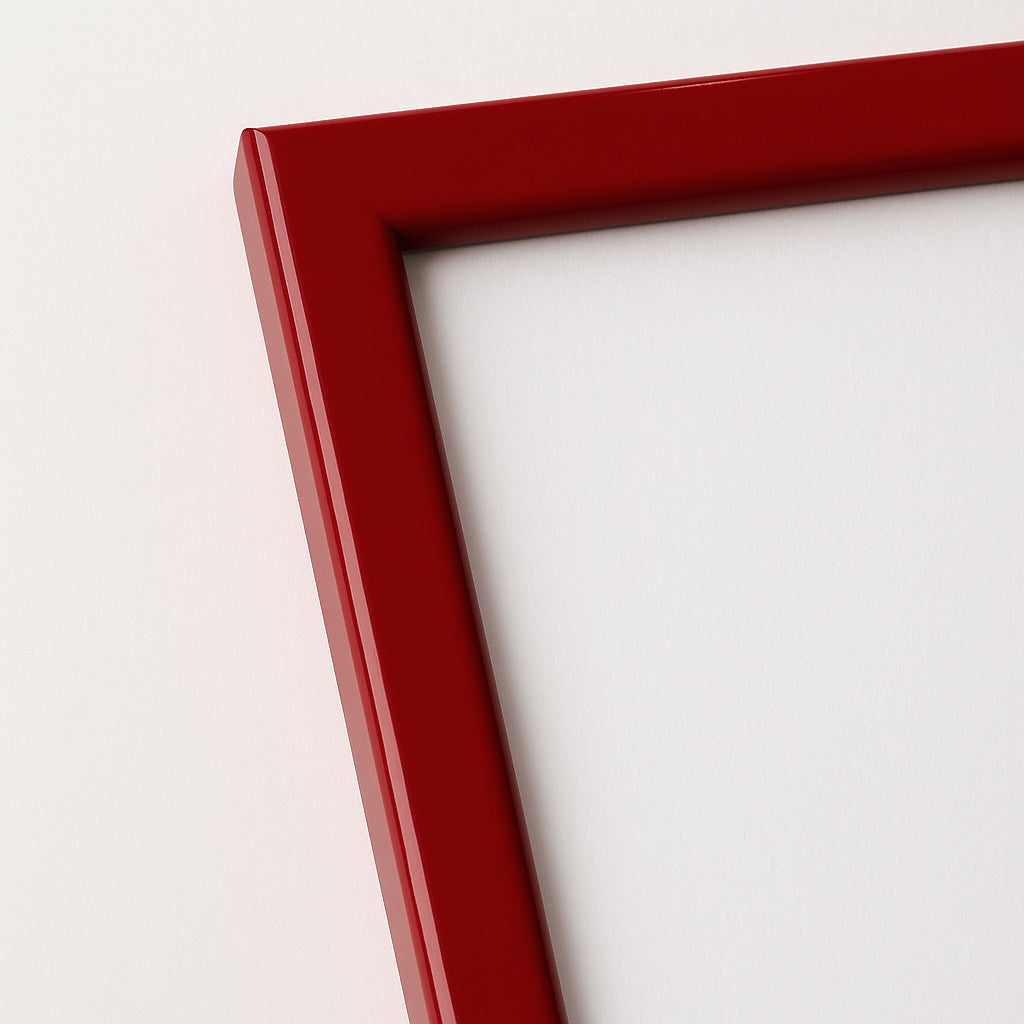
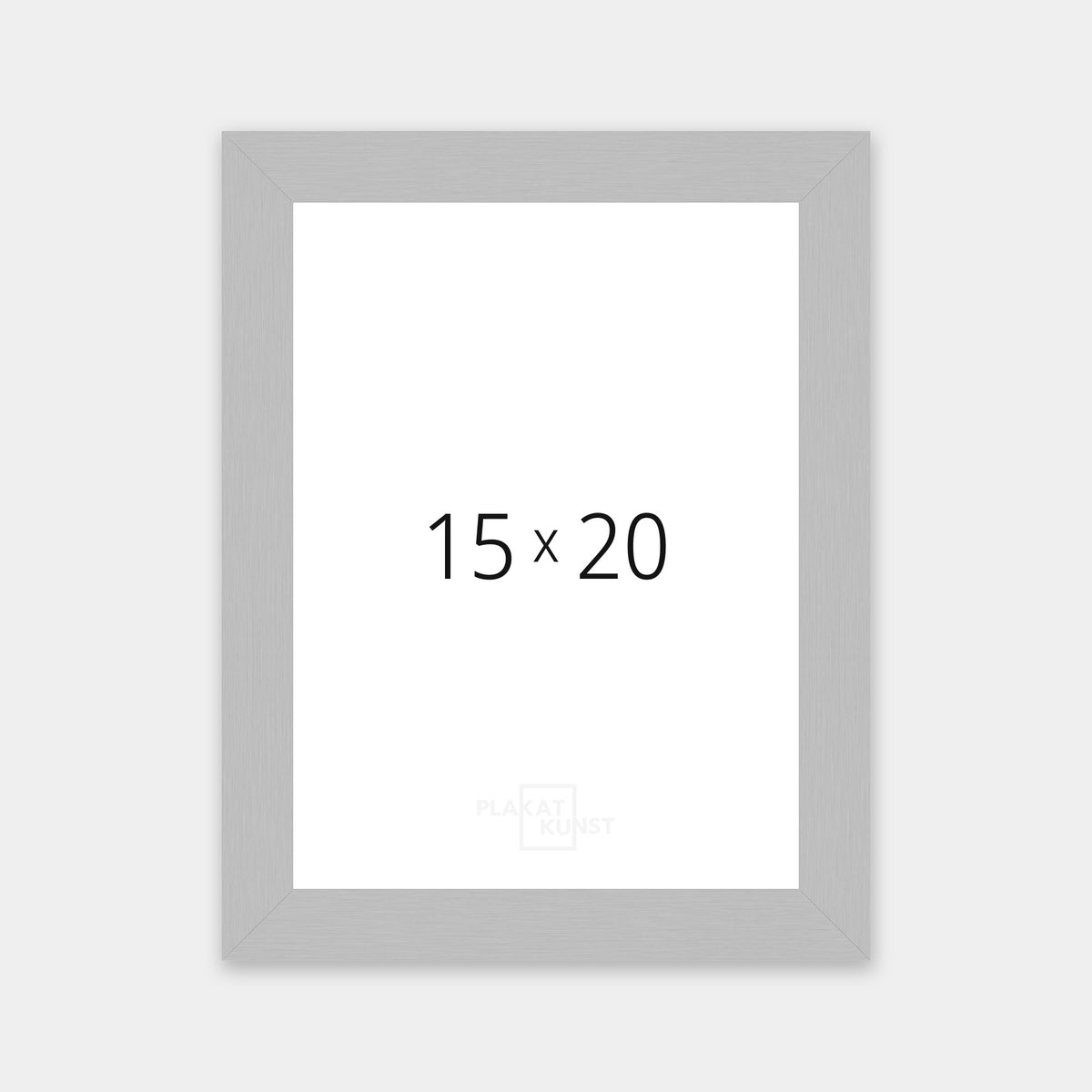
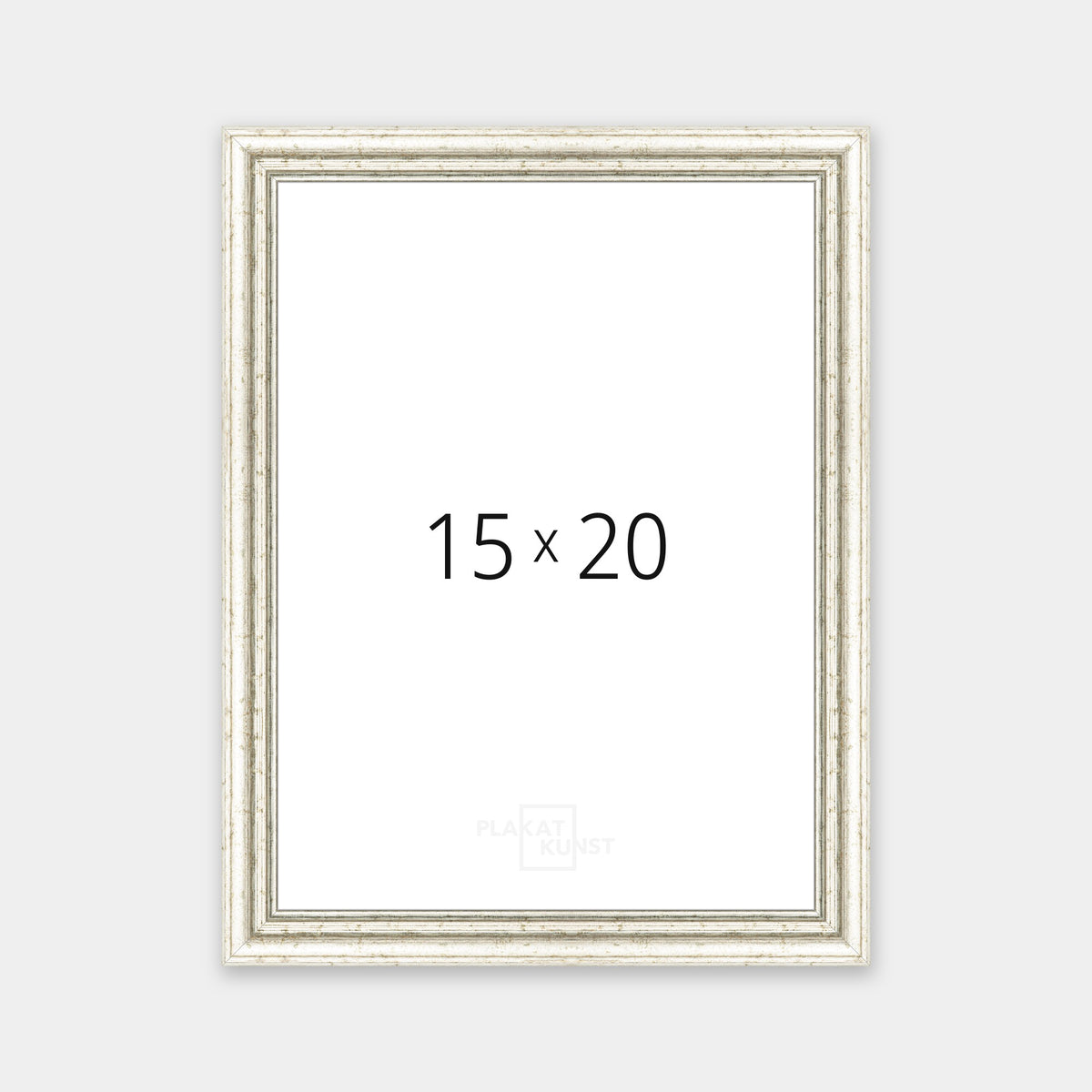
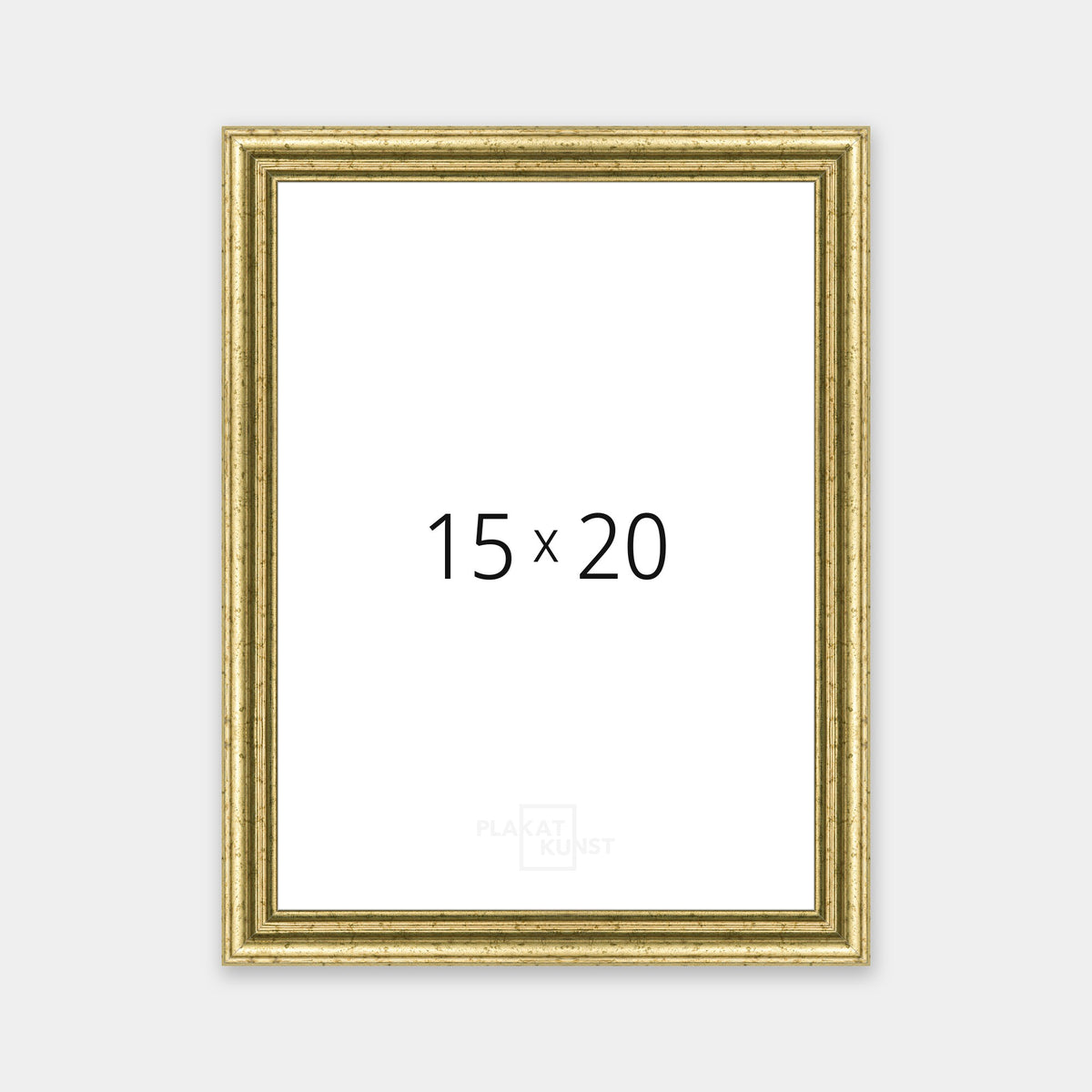
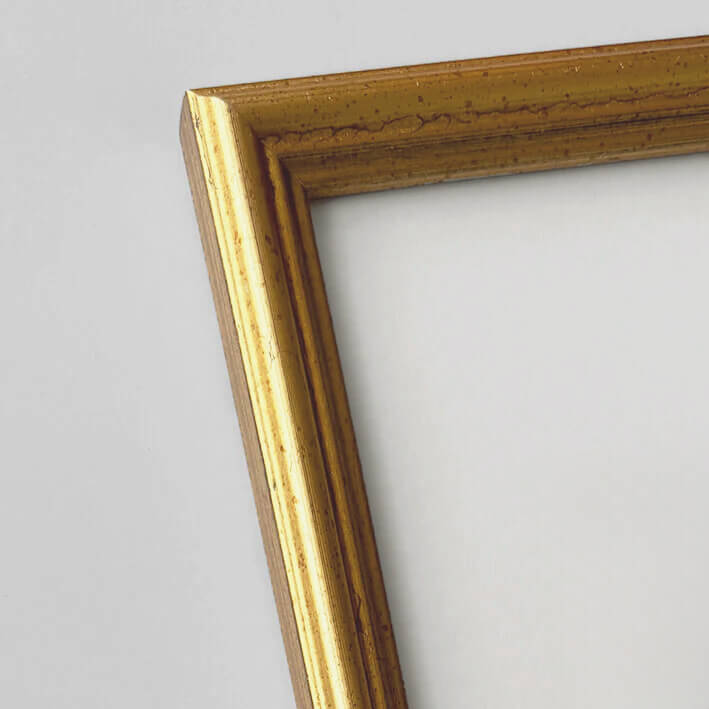
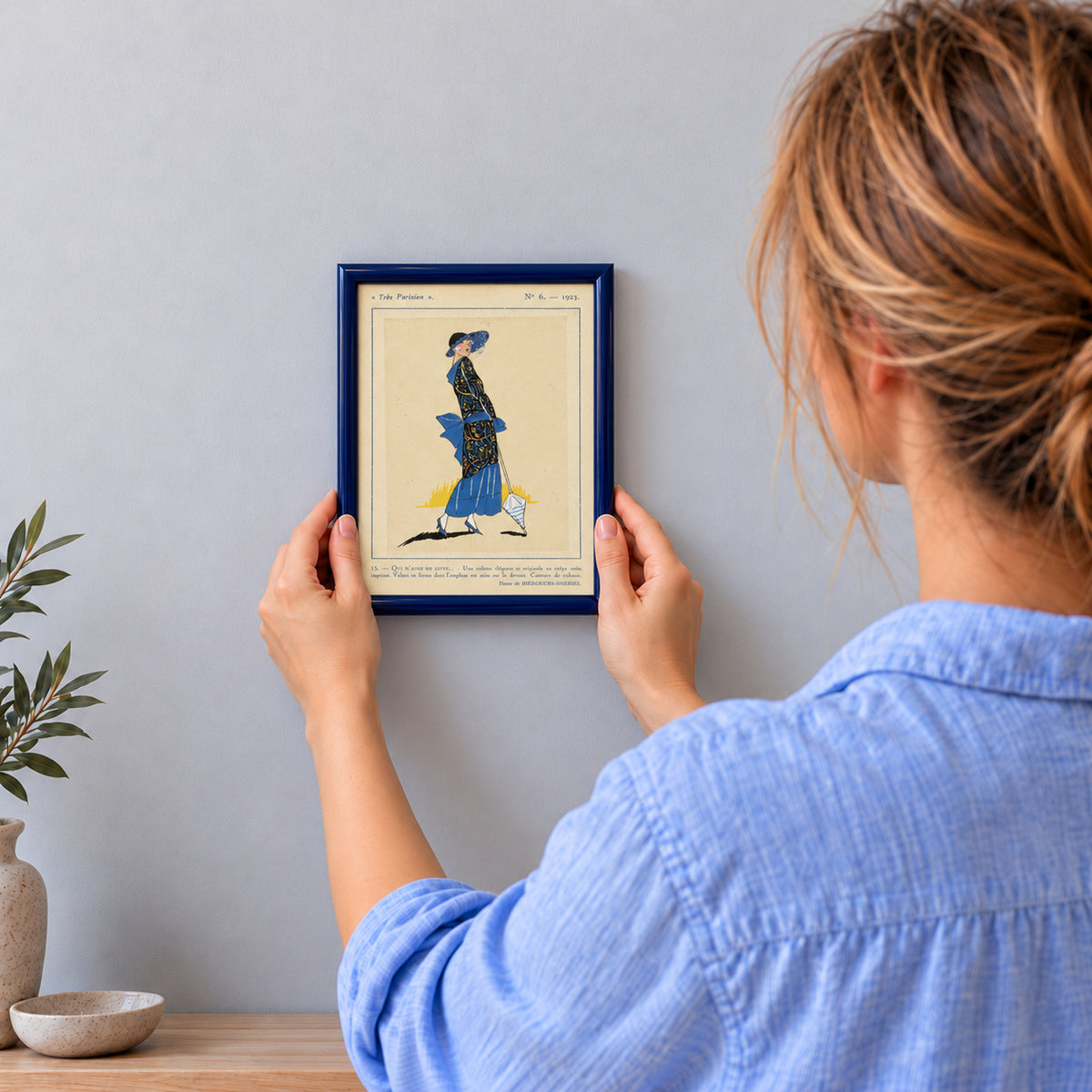
A 15×20 cm print is a step up from the everyday photo print. The format shows more detail, yet a 15x20 frame is still small enough to stand on a desk or windowsill. In our frame designer, you can see how different wood types, colours and profiles affect your photo or print.
Upload an image of your picture and see the result straight away. A slim, light profile keeps the focus on a colourful family photo, while a darker frame can give a black-and-white portrait more weight. The frame can be used in portrait or landscape orientation, depending on the subject.
If you want a border around a smaller picture, add a passepartout and try the colours in the same view. The preview updates as you go, so it is easy to compare two or three options before you decide.
Recently seen
15x20 frames with
Passepartout
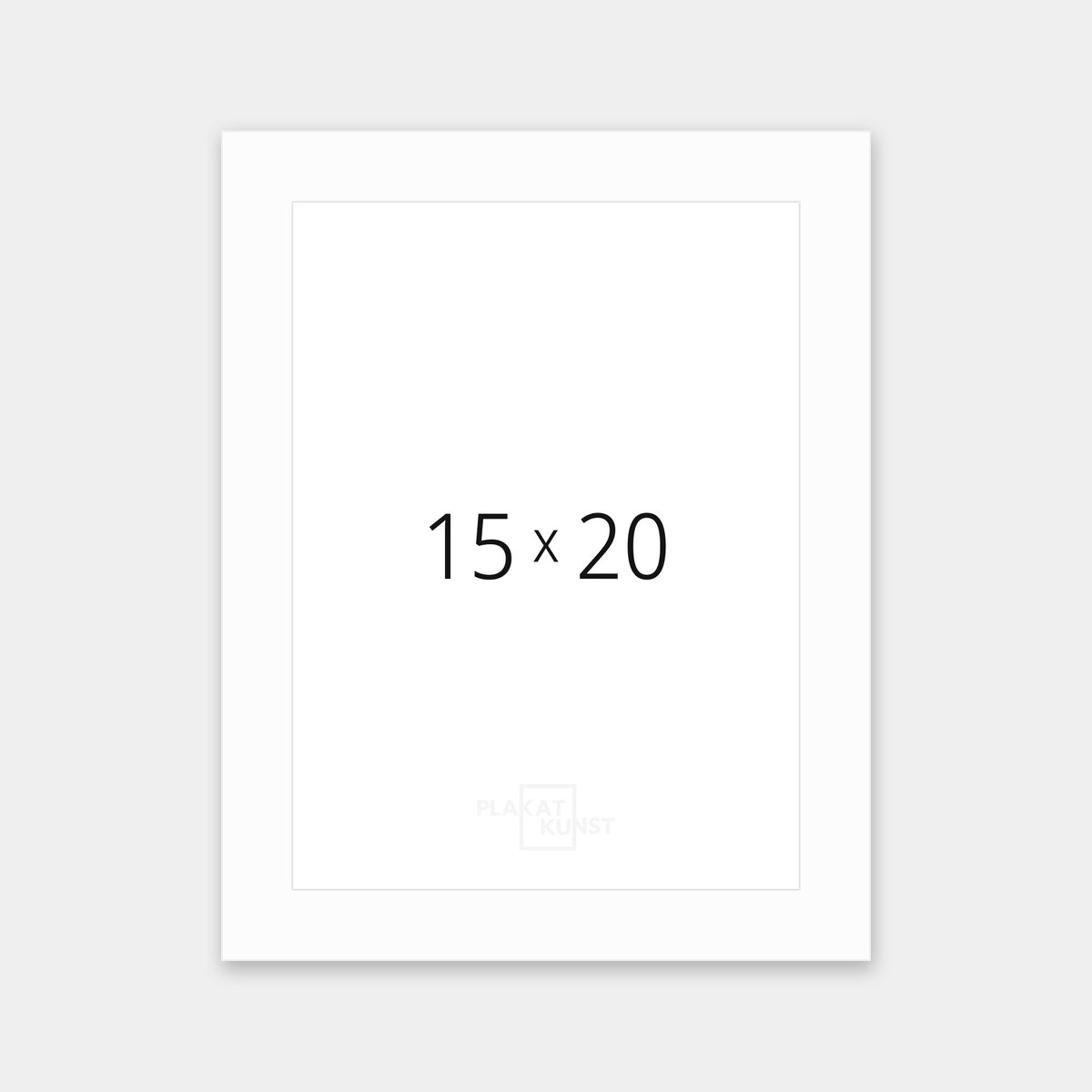
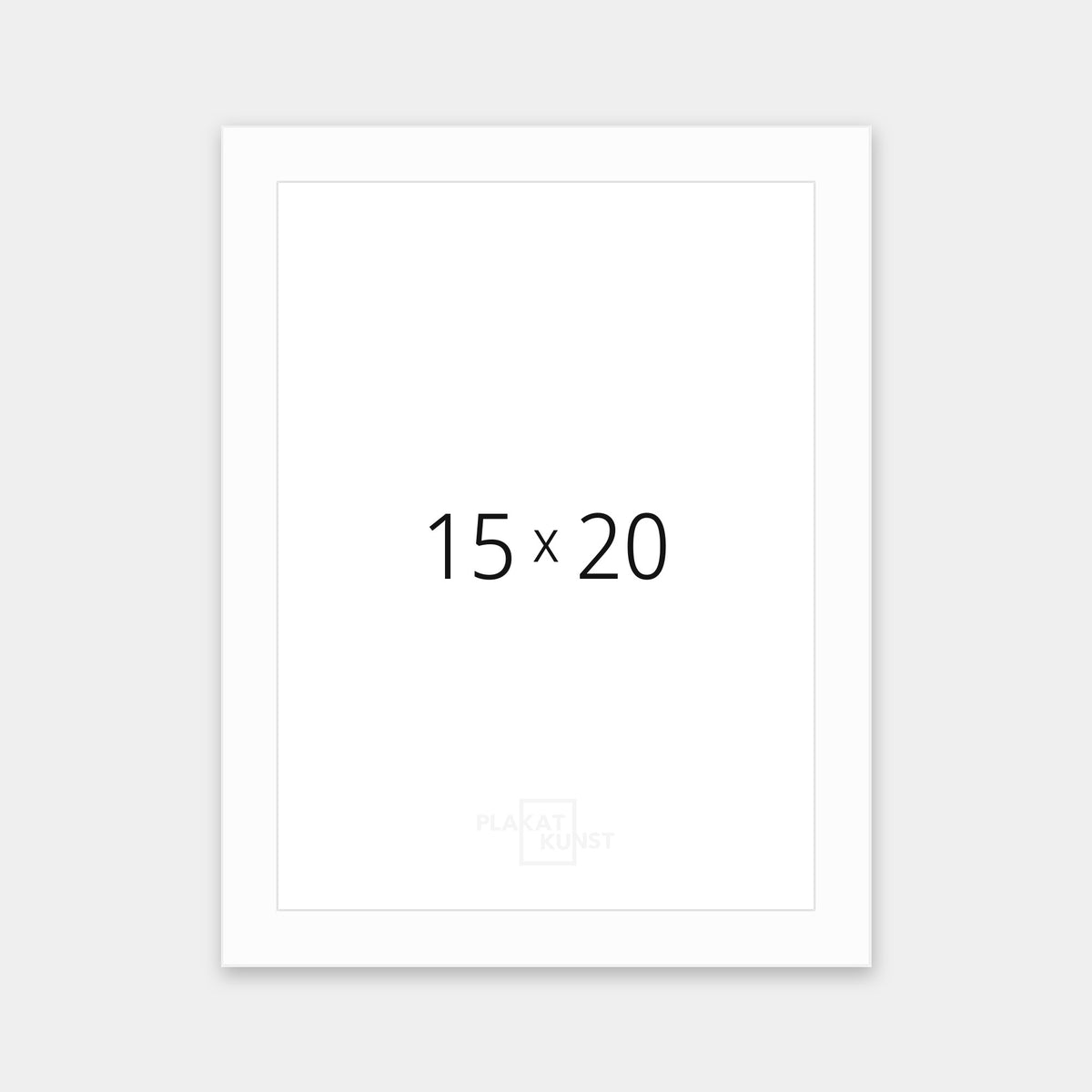
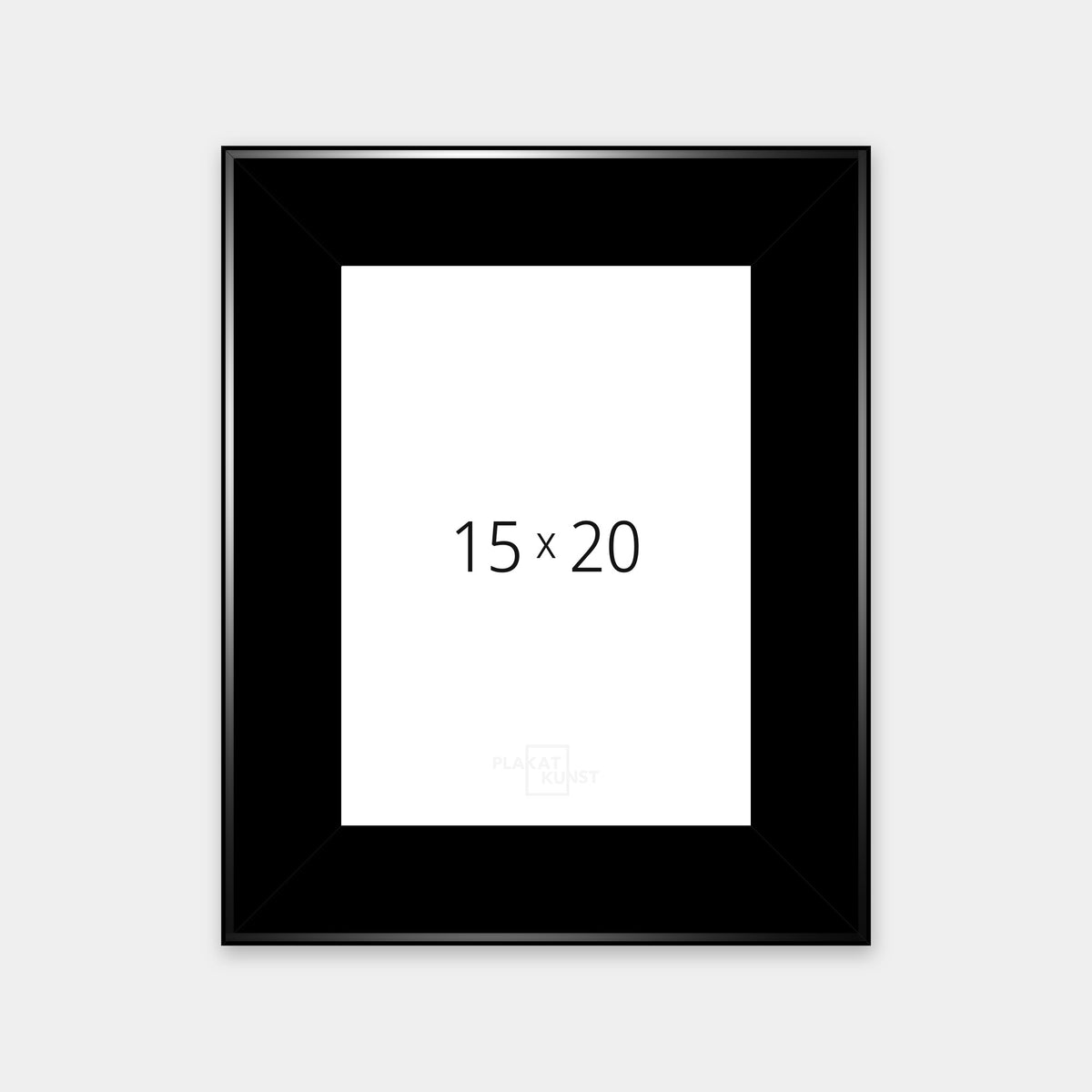
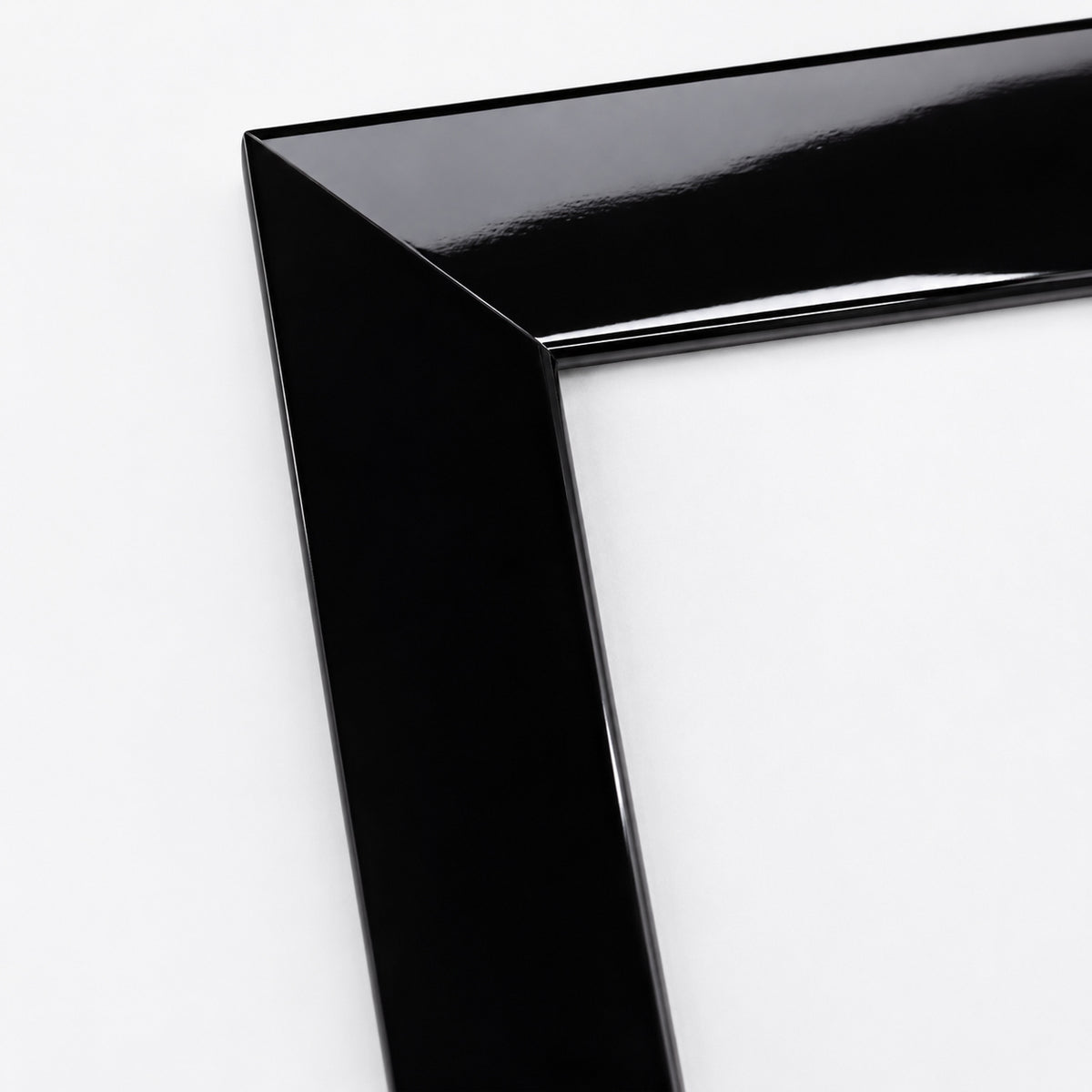
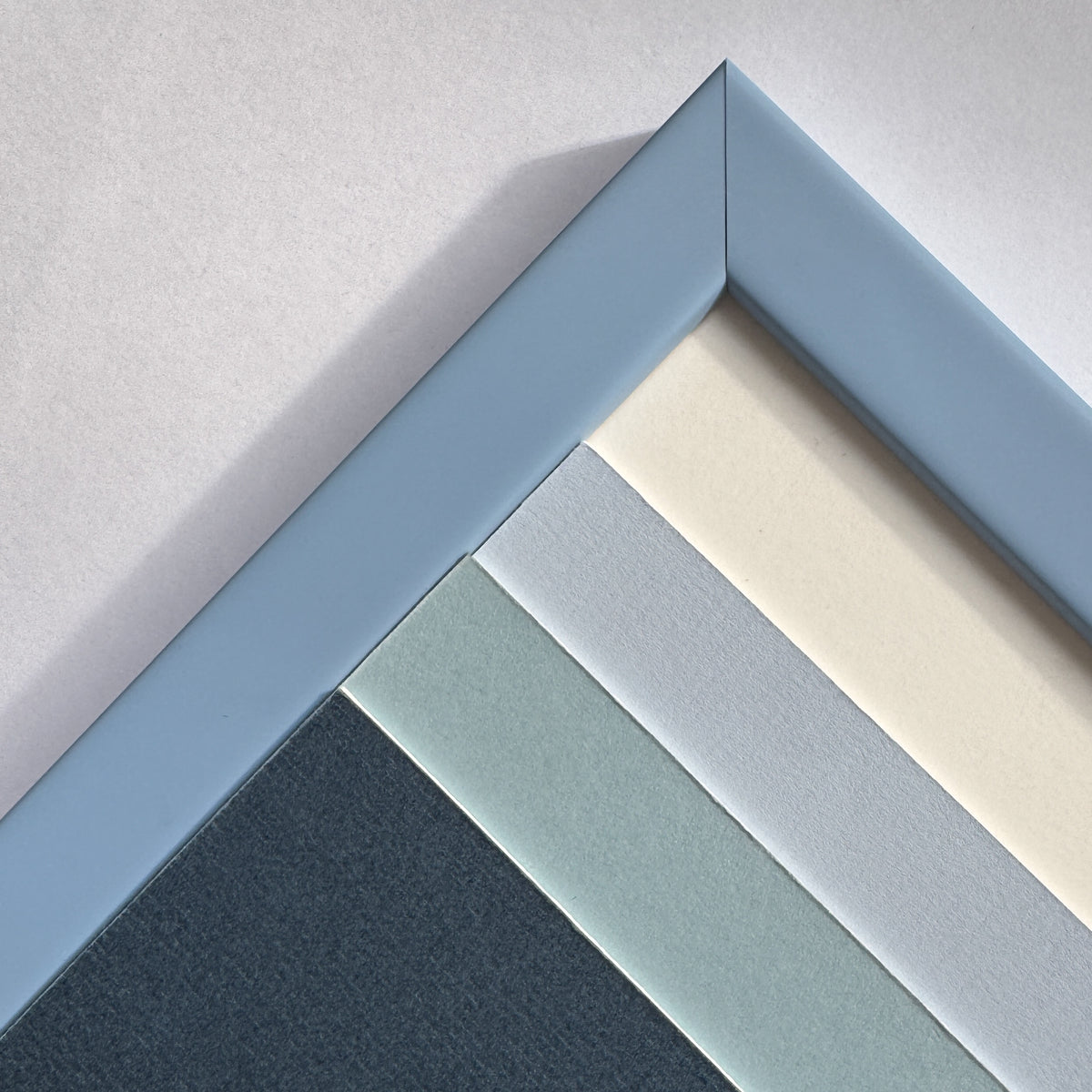
With a passepartout, a 15x20 frame can hold a 10×15 cm photo with a border of approx. 2.5 cm all round. A 10×13 cm picture gets a border of approx. 2.5 cm at the sides and approx. 3.5 cm at the top and bottom. Made from 1.5 mm thick board, the passepartout gives even a small photo more space and a calmer look.
If your picture is itself 15×20 cm and you want a passepartout around it, you will need a larger frame. A 20×25 cm frame gives a border of approx. 2.5 cm, and a 24×30 cm frame gives approx. 4.5 cm at the sides and 5 cm at the top and bottom. You can also choose a made-to-measure frame.
You can choose from 20 passepartout colours and simply enter the dimensions of your picture. The cutout is automatically made 10 mm smaller in both width and height, so the passepartout overlaps the picture by 5 mm on each side. The picture can then be taped to the back of the passepartout.
Select a frame above to see it with the different passepartout colours.
Should your 15x20 frame have
Real glass?
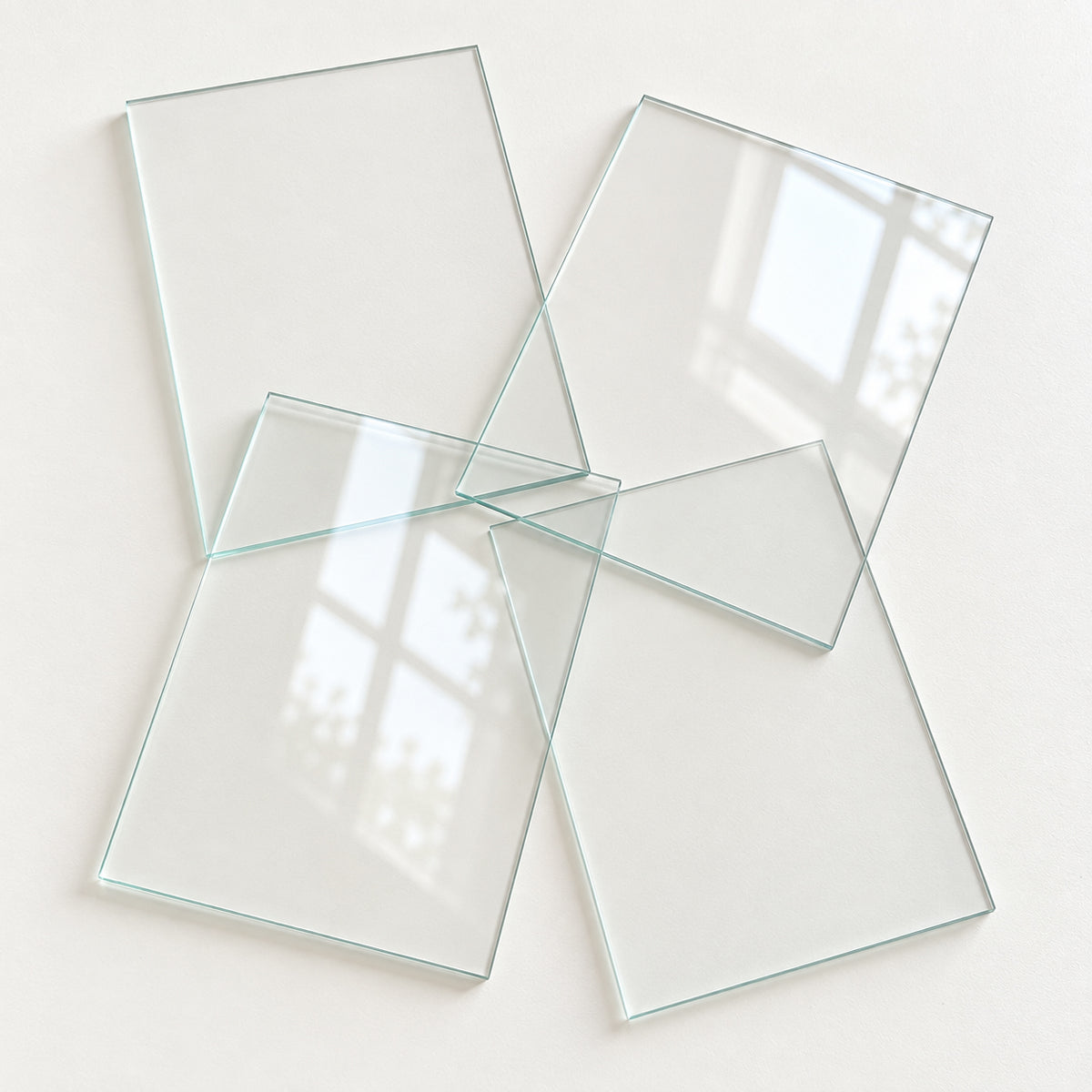
A 15×20 cm frame is often viewed up close, on a desk or bookshelf for example. That makes the clarity of the glass important, while weight matters less than with large frames. You can choose from four types of glazing.
Standard glass gives clear colours and sharp detail at an affordable price. It resists scratches better than acrylic glass, but reflects light from windows and lamps and can break if the frame falls over or is dropped.
Acrylic glass is lightweight and shatter-resistant, making it a safe choice for a frame on display in a child’s room. It reflects light much like standard glass and scratches more easily, so clean it with a soft cloth. Remove the protective film from both sides before framing.
Non-reflective glass has a matt surface that reduces reflections from a desk lamp, for instance. Colours and details may look slightly softer, especially when a passepartout creates a gap between the glass and the picture, and not all reflections disappear.
Museum glass combines high clarity with fewer reflections and UV protection that helps limit fading. It costs more, and faint reflections may still occur. Even so, keep the frame out of direct sunlight.
Shipping of 15x20 frames worldwide
FedEx or GLS
We ship 15×20 cm frames worldwide with GLS or FedEx. In Sweden, Germany, Belgium and Poland, GLS can deliver to a parcel shop near you.
Even in a small format, choosing real glass instead of acrylic significantly increases the shipping price. Glass weighs more and needs extra care in transit, which raises both shipping costs and the risk of damage.
We pack every frame carefully so that frame and glass are well protected. As a result, the vast majority of frames with glass arrive safely.
15x20 frames with or without
Backing paper
Your 15×20 cm frame comes without backing paper as standard, as most customers do not need it. If you would like it, you can add 1 mm thick backing paper in a subtle off-white shade with a fine texture.
Backing paper lets you frame a smaller piece, such as an art card or a small watercolour, with the paper showing as a background around it. It is particularly suited to works on paper with decorative or hand-torn edges.
The paper also adds an extra layer against the backing board. For delicate artwork, both the backing paper and the mounting materials should be acid-free.

Framing, hanging and stands for
15x20 frames
Bend up the black tabs on the back of your 15×20 cm frame and lift out the hardboard backing. Wipe any dust from the inside of the glass with a soft, dry cloth. If you have chosen acrylic glass, remove the protective film from both sides.
Insert your picture, replace the backing and bend the tabs back down to hold it in place.
The frame has both a support stand and a hanging bracket. To display it on a desk or shelf, use the stand, and the frame can stand in portrait or landscape orientation. To hang it, tilt the bracket out slightly so it can hook onto a screw or nail. Use a fixing that suits your wall type and can carry the weight of the frame.