

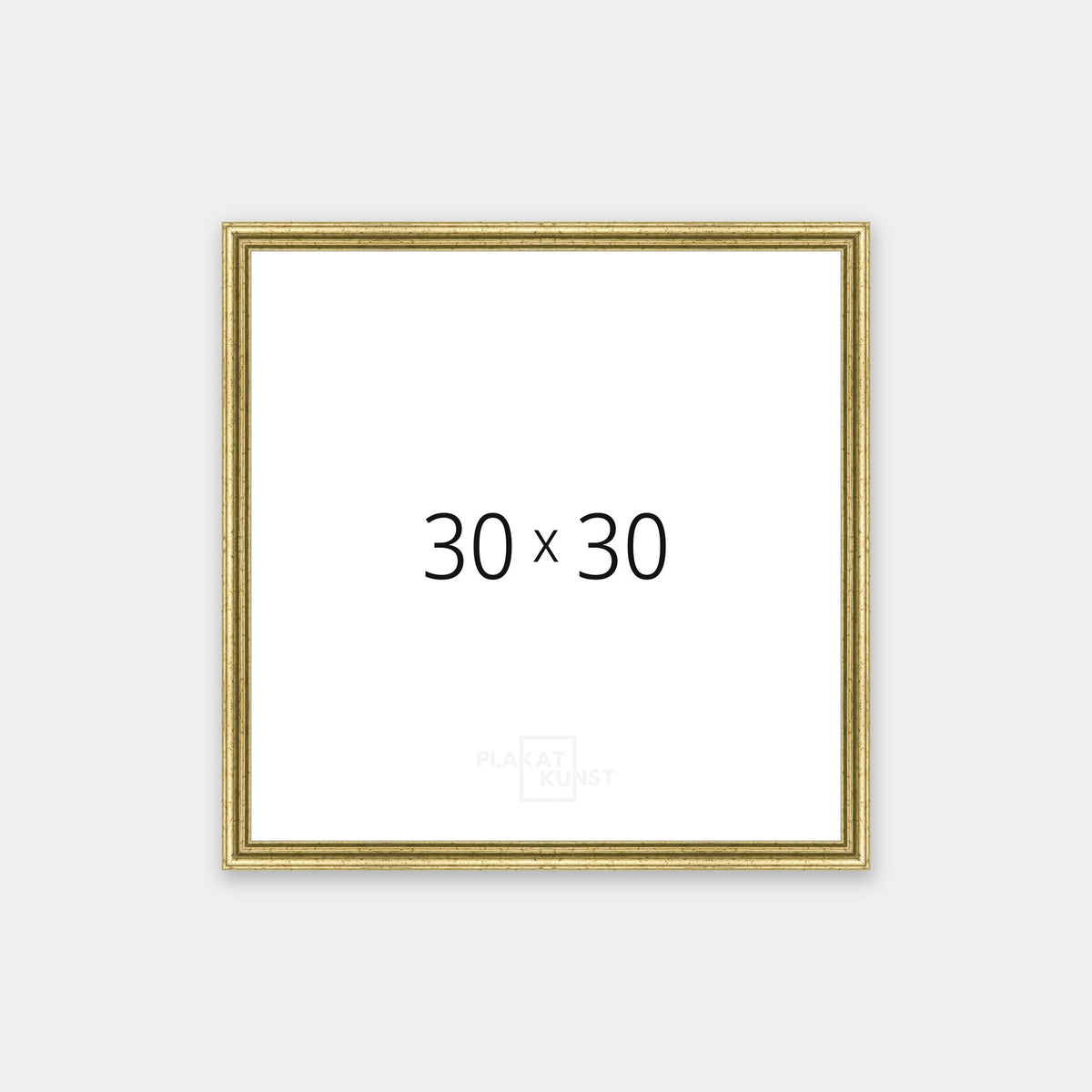
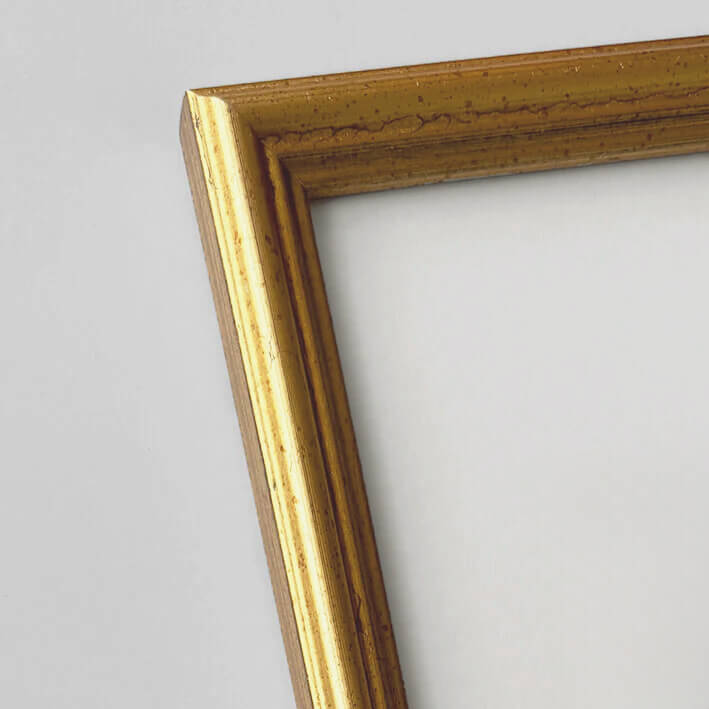
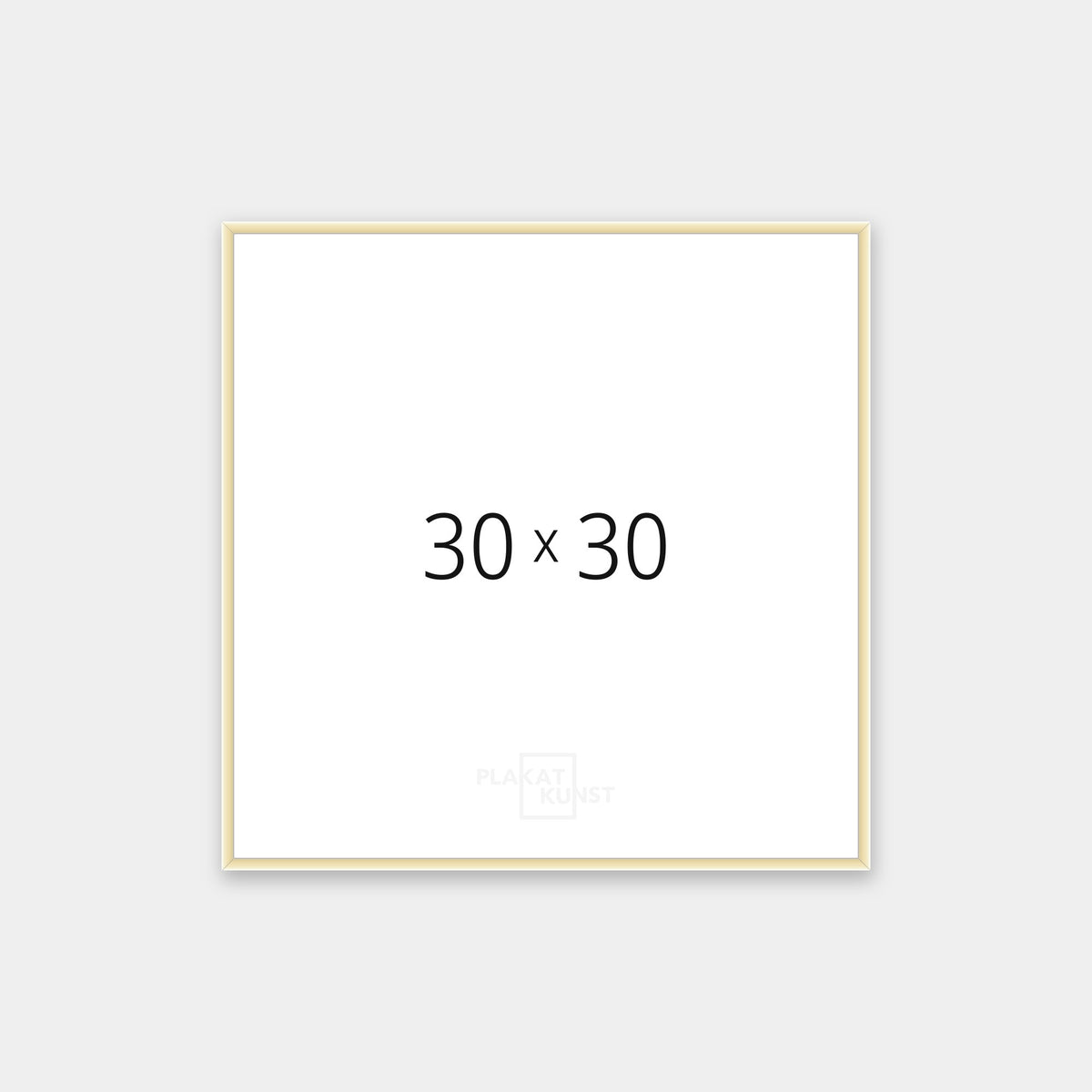
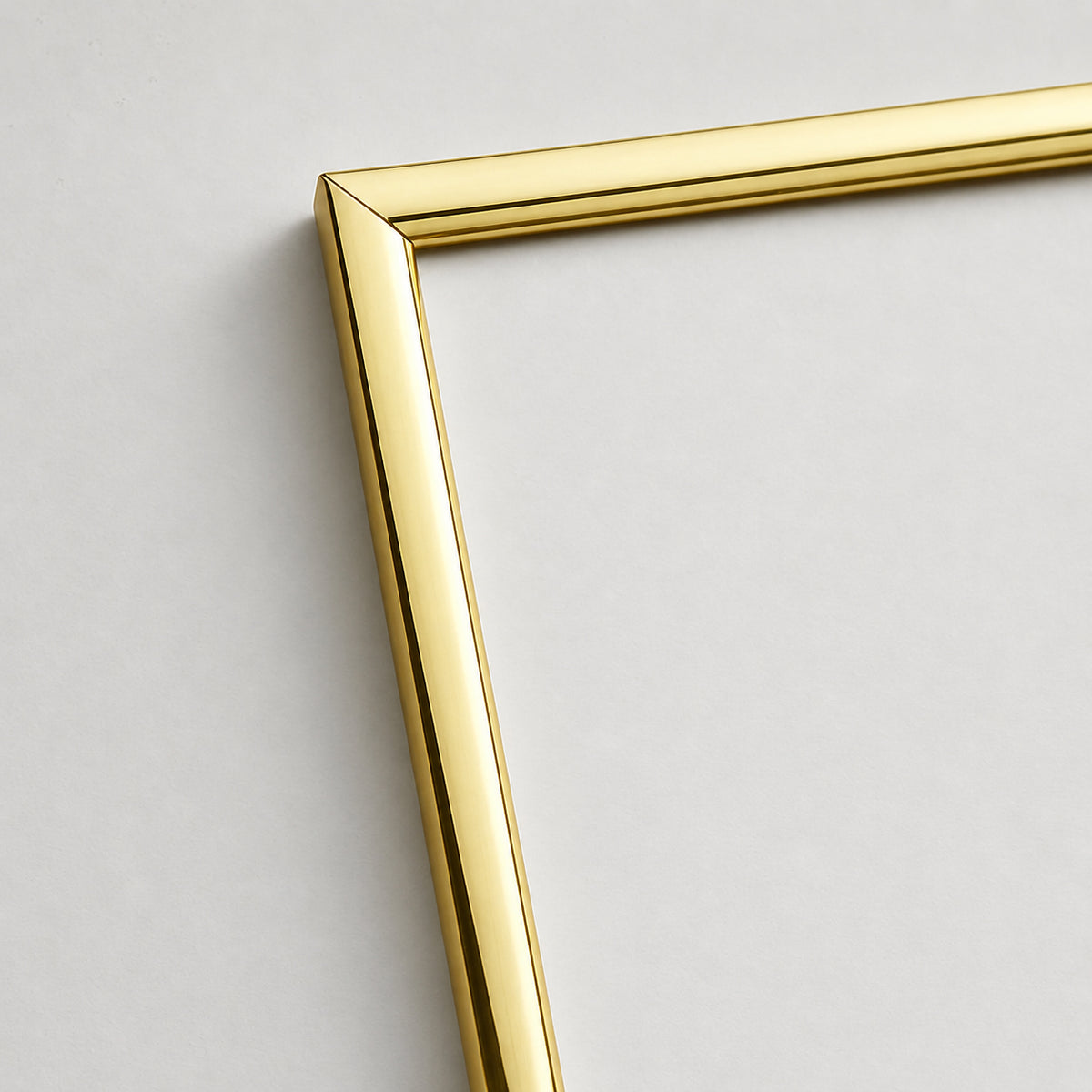
Upload, choose and compare
Your own 30x30 framing
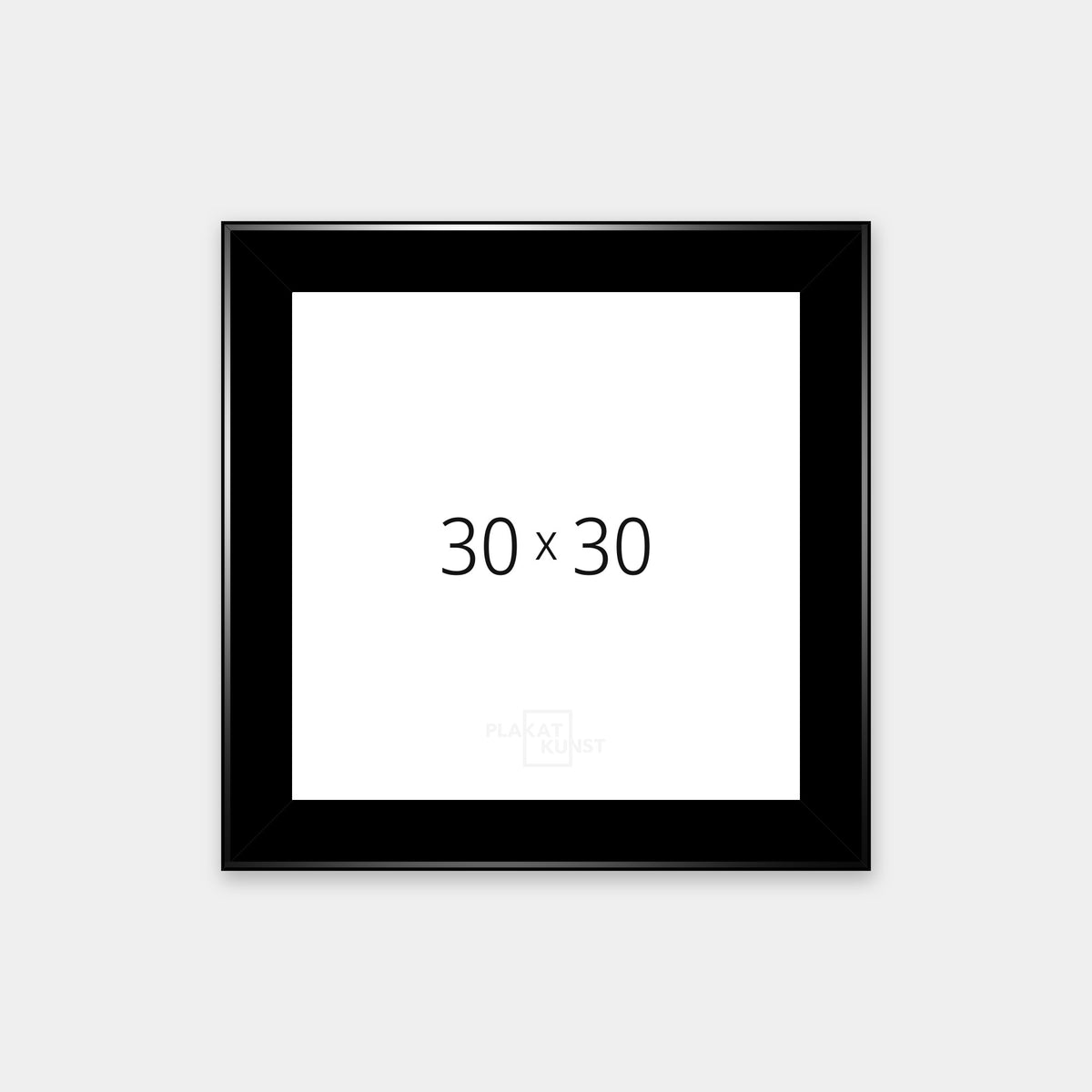
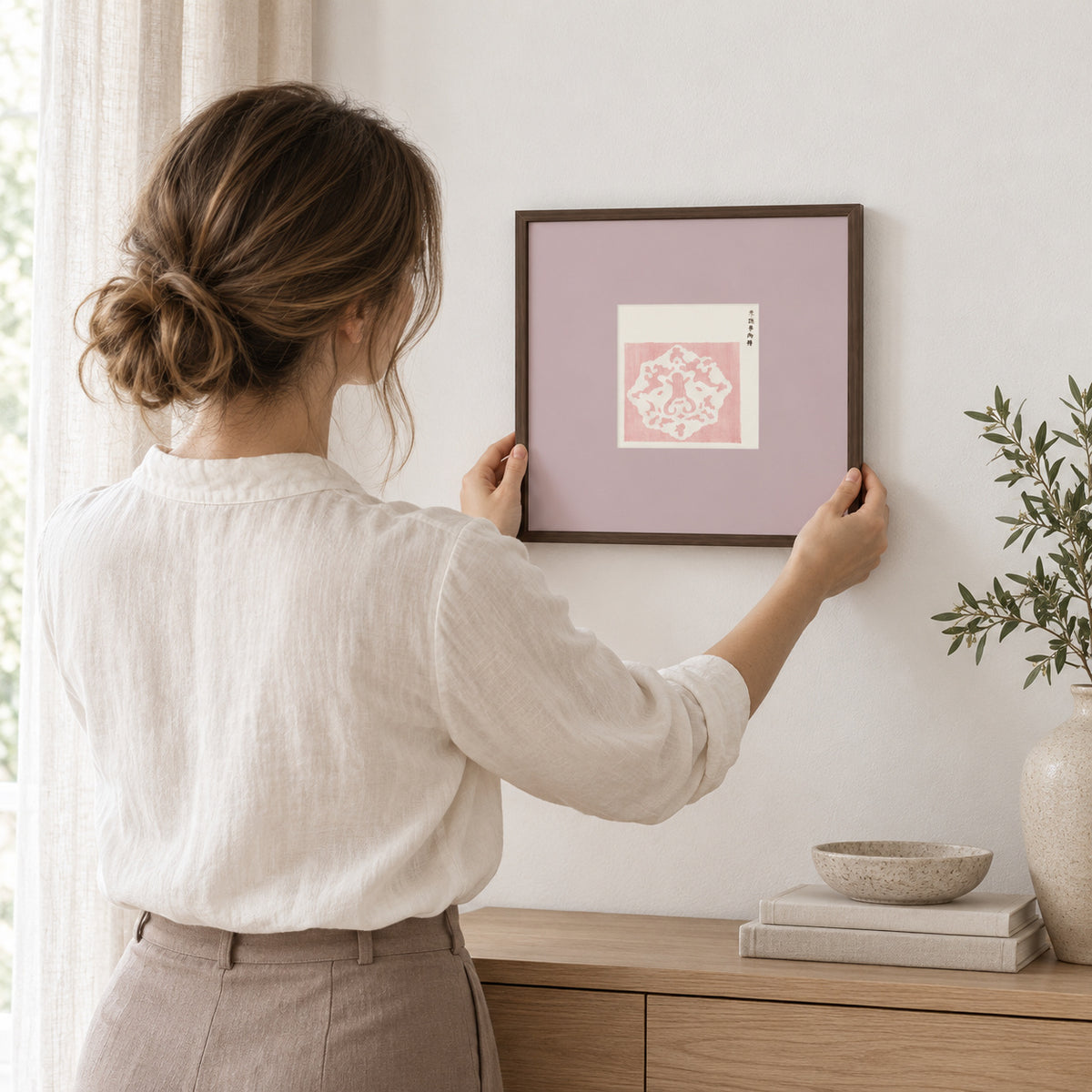
At 30×30 cm, a square motif is large enough to stand alone on a wall, above a desk or in a narrow hallway, for example. The format suits square art prints, embroidery and photos, and several identical frames can be hung side by side in a straight row or grouped in fours to form a square.
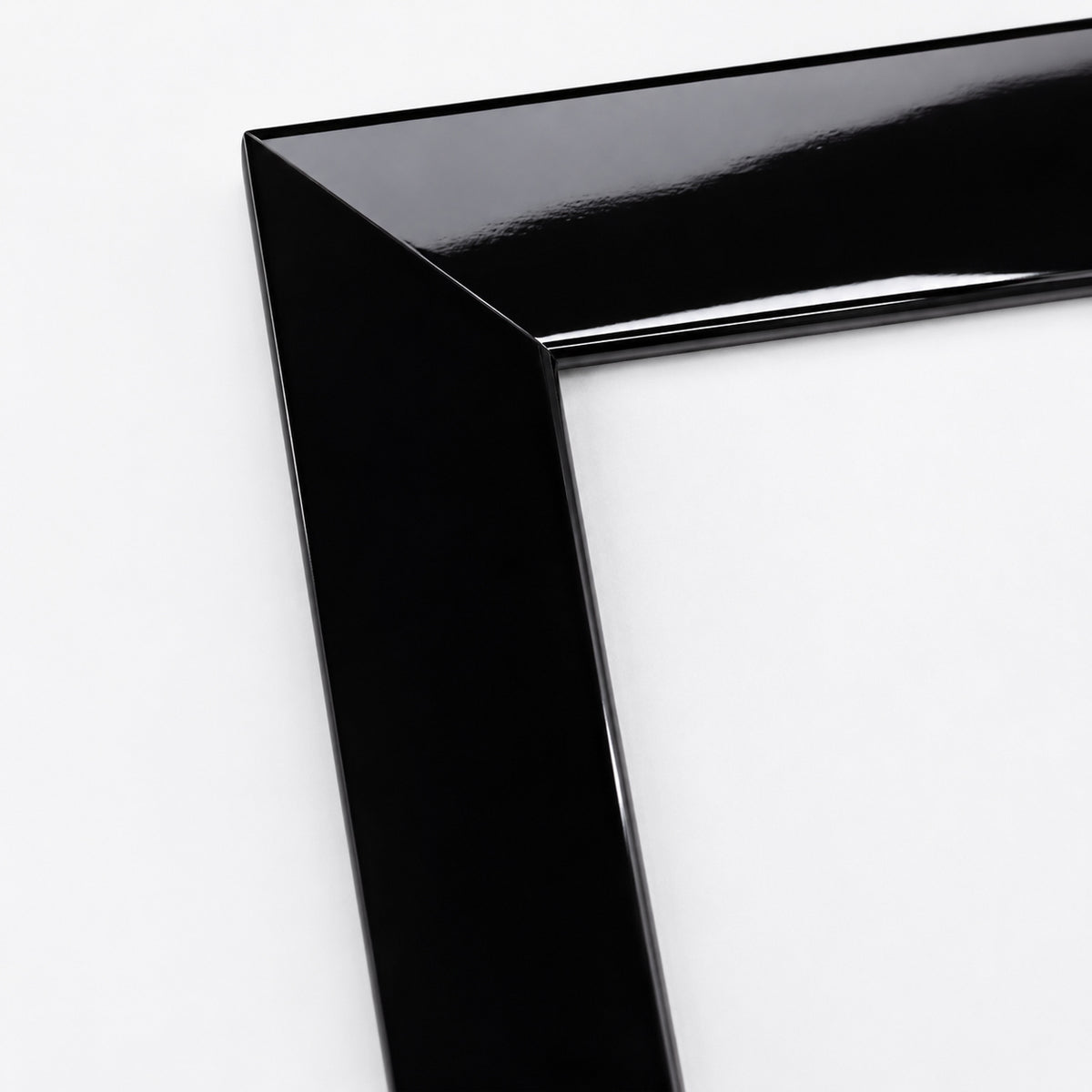
In the frame designer, upload an image of your artwork and try out wood types, colours and profiles. If several 30x30 picture frames are to hang together, you can test the same frame on each motif and make sure the whole arrangement looks consistent.
Because all sides are equal, you do not need to decide on orientation. Instead, the question is how much space the artwork needs. Try a passepartout in different colours and follow the changes in the preview as you go.
Recently seen
30x30 frames with
Passepartout
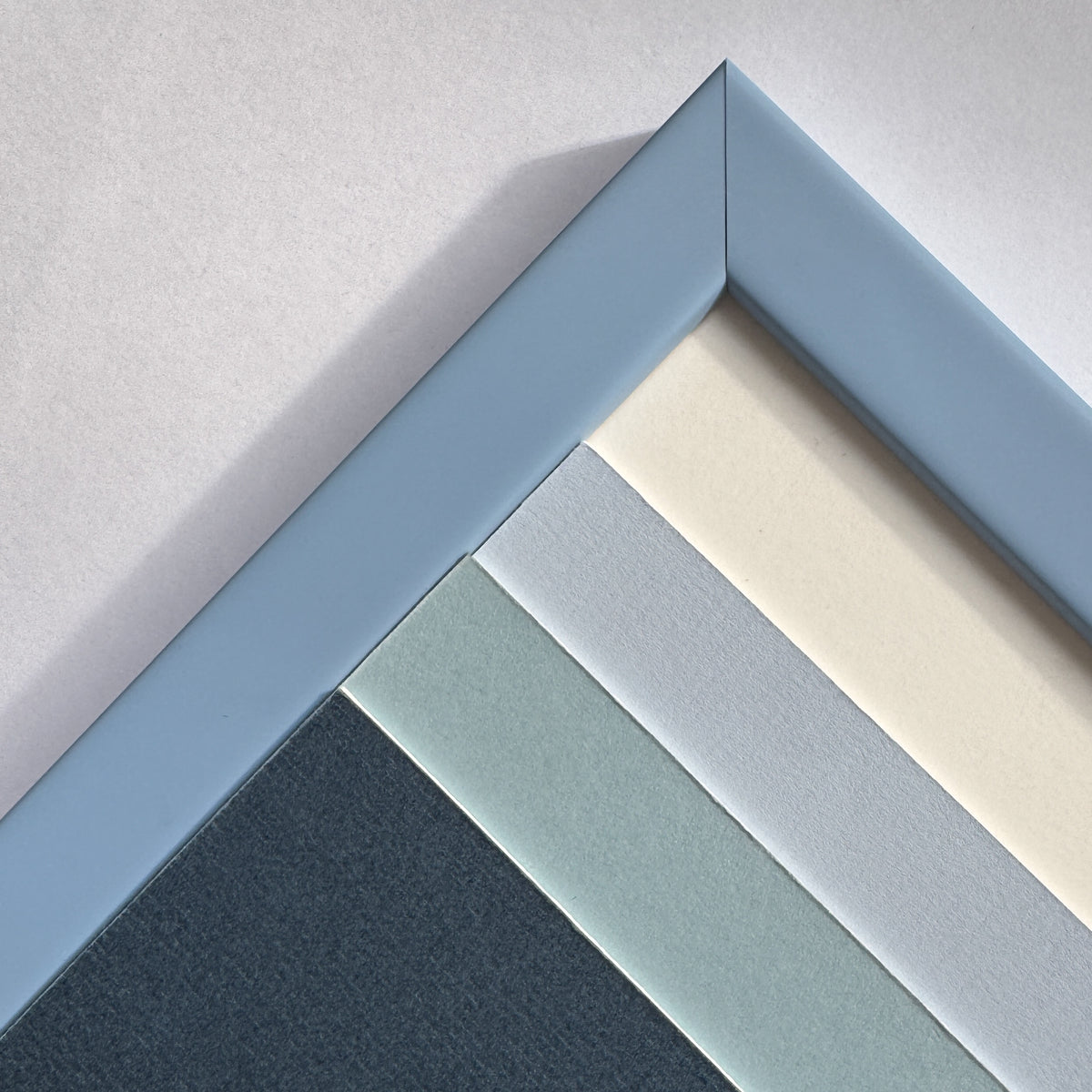
A passepartout (also known as a mount) in a 30x30 frame can hold square pictures in several sizes. A 24×24 cm print gets a narrow border of approx. 3 cm, a 20×20 cm motif approx. 5 cm and an 18×18 cm picture approx. 6 cm. A small 15×15 cm art card gets a wide border of approx. 7.5 cm, giving even a small motif a clear place on the wall.
You can choose from 20 colours of 1.5 mm thick board. Once you have entered the dimensions of your picture, we cut the opening 10 mm smaller in width and height. The passepartout then covers 5 mm of the picture along each edge, and you can tape the picture to the back of the passepartout.
If a 30×30 cm picture needs a passepartout, the frame has to be larger. A 40×40 cm frame gives a border of approx. 5 cm all round, and a 50×50 cm frame approx. 10 cm. For a different width, you can choose a made-to-measure frame.
Select a frame above to see how the different passepartout colours look.
Should your 30x30 frame have
Real glass?
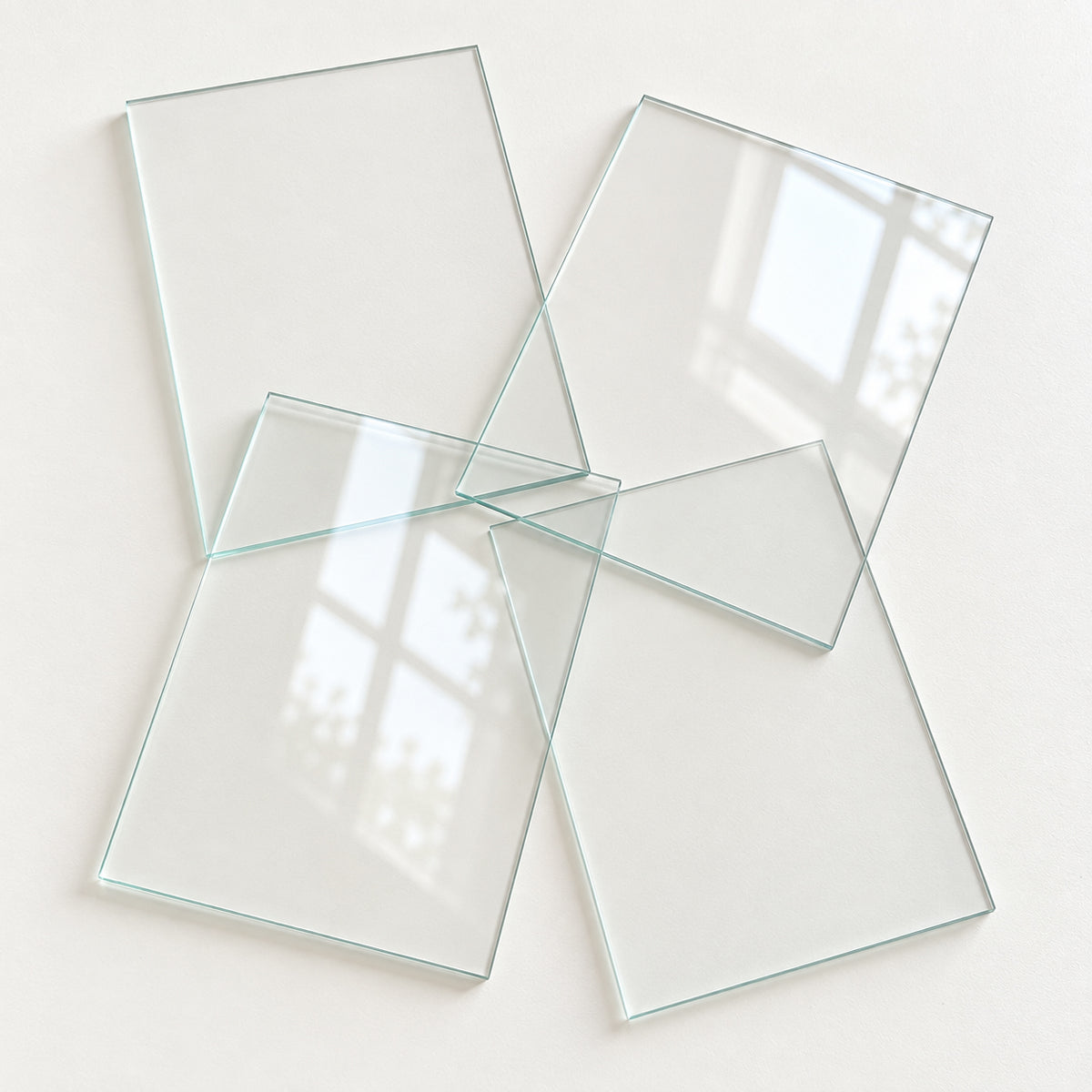
You can choose from four types of glazing for your 30×30 cm frame. The weight is still easy to manage at this size, but a pane this large readily catches light from a window. So think about where the frame will hang before you choose.
Standard glass gives clear colours and crisp details at a reasonable price. It resists scratches better than acrylic glass, but reflects lamps and windows and can break if knocked or dropped.
Acrylic glass is shatter-resistant and lighter than glass, which is an advantage when you hang several frames in a group. It reflects light in the same way as standard glass, and as the surface scratches more easily, clean it with a soft cloth. Remove the protective film from both sides before inserting your artwork.
Non-reflective glass has a matt surface that takes the edge off reflections without removing all of them. Colours and fine textures in a print may look slightly softer, especially when a passepartout creates a gap between the glass and the artwork.
Museum glass combines high clarity with fewer reflections and UV protection that reduces fading, without the matt effect. It costs more, and faint reflections may still be visible. Do not hang the frame in direct sunlight, even with museum glass.
Shipping of 30x30 frames worldwide
FedEx or GLS
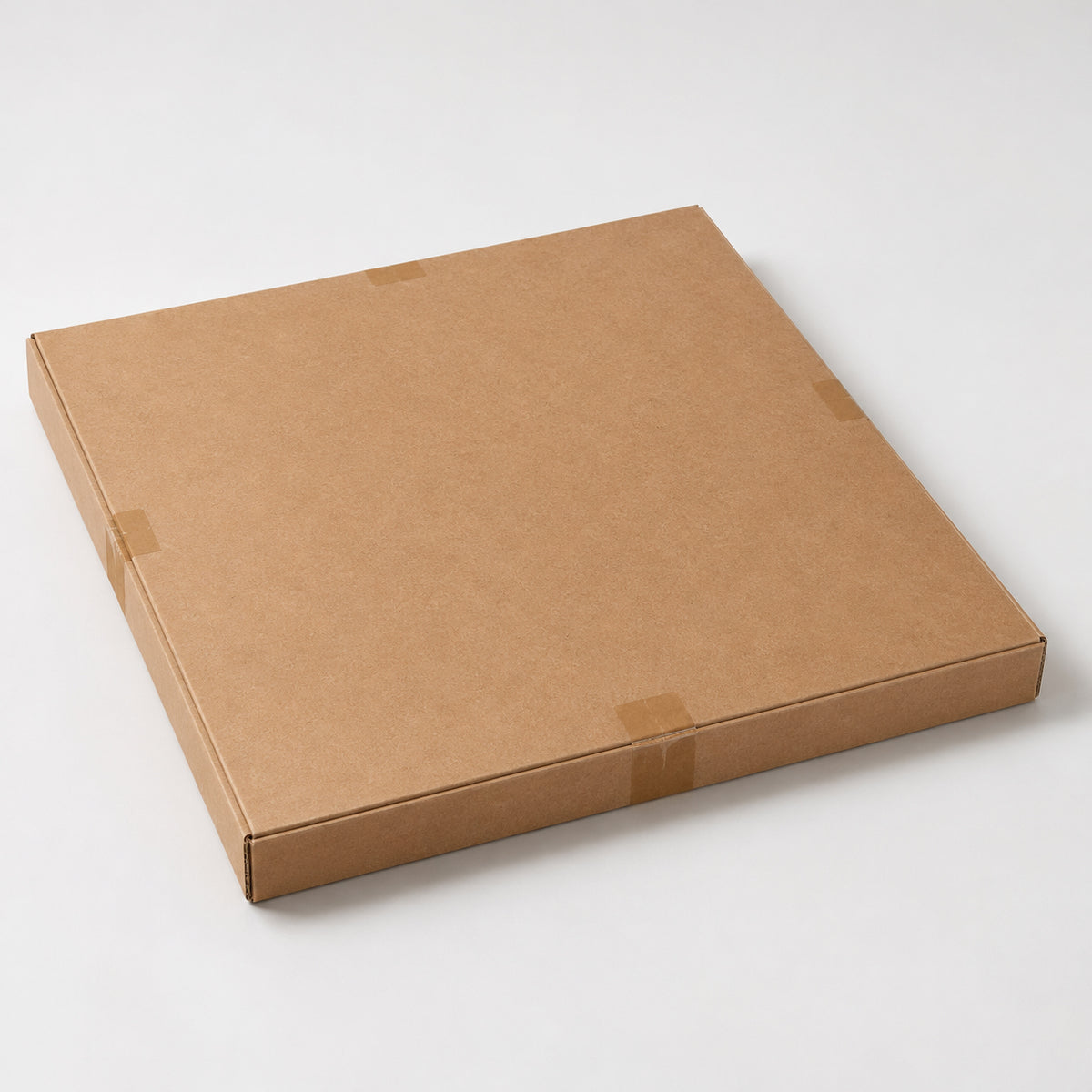
We deliver 30×30 cm frames worldwide with GLS or FedEx. Customers in Sweden, Germany, Belgium and Poland can have their order sent by GLS to a nearby parcel shop.
A frame with real glass costs considerably more to ship than one with acrylic glass. Glass adds weight to the parcel and requires more care in transit, and both raise shipping costs and the risk of breakage.
We pack our frames thoroughly so that frame and glass stay protected until they arrive. That is why the vast majority of frames with glass reach their destination in good condition.
30x30 frames with or without
Backing paper
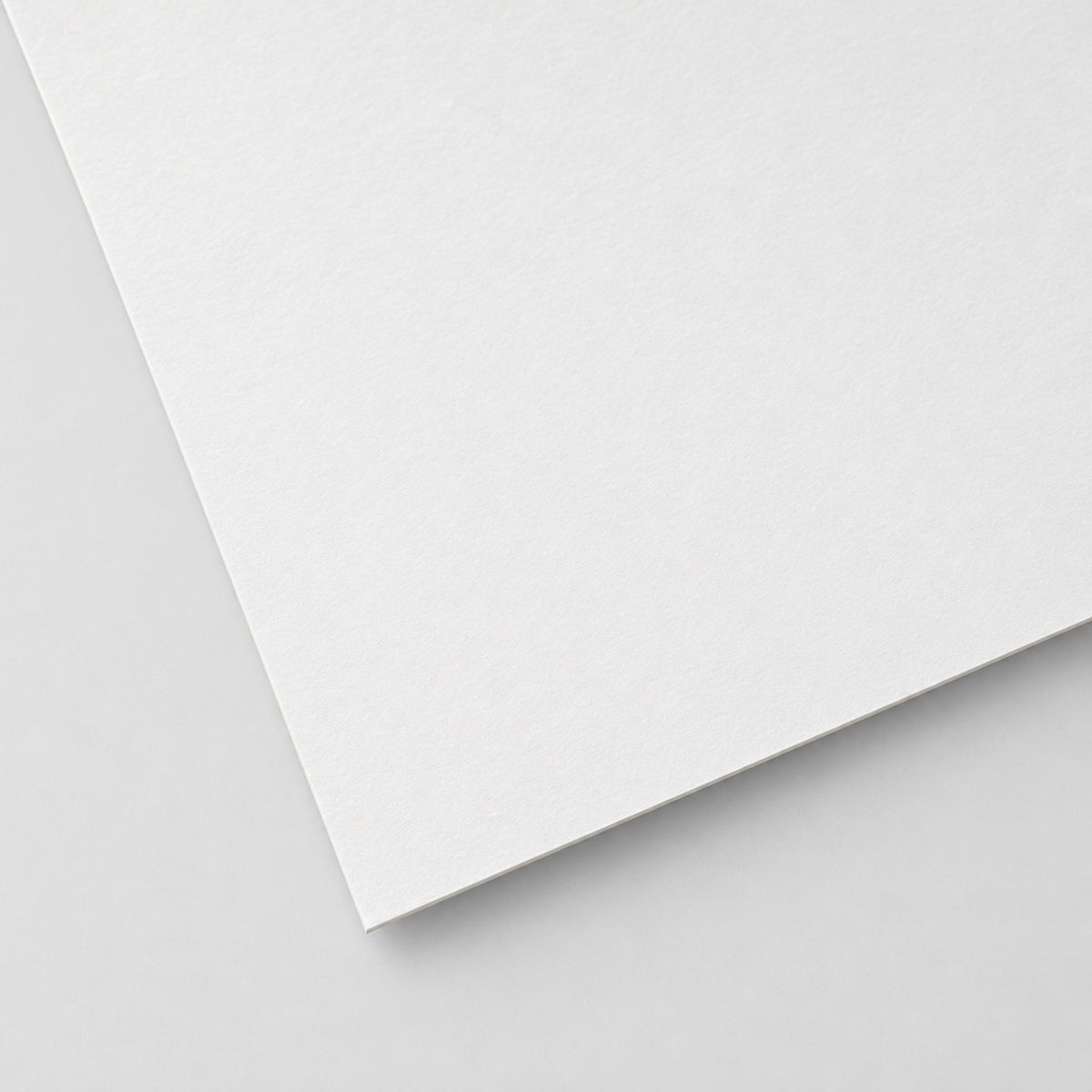
Your 30×30 cm frame comes without backing paper unless you add it. Most customers do not need it, but if you would like a background, you can buy 1 mm thick paper in a subtle off-white shade with a fine texture.
With backing paper, a smaller work can sit freely on a visible background. It is ideal for a print on handmade paper, for example, where the decorative or hand-torn edges are part of the look and should not be hidden.
The paper also acts as an extra layer in front of the backing board. For delicate artwork, both the backing paper and the mounting materials should be acid-free to help preserve the work.
Framing and hanging
30x30 frames
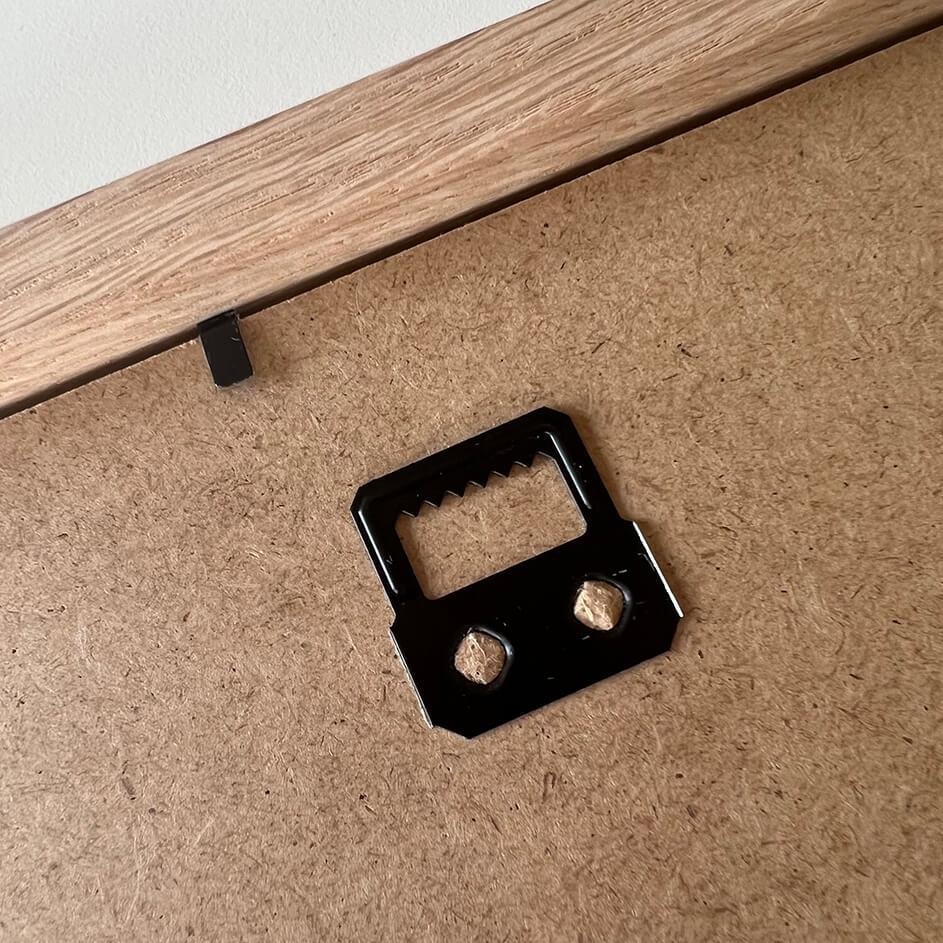
Bend up the black tabs on the back of the frame and lift out the hardboard backing. Use a soft, dry cloth to remove any dust from the inside of the glass. With acrylic glass, peel the protective film off both sides before inserting your artwork.
Put the backing back in and bend the tabs over it again.
A 30x30 frame is designed to hang on the wall. Tilt the hanging bracket out slightly so it can hook onto a screw or nail, and use a fixing that suits your wall type and supports the weight of the frame. If you are hanging several frames in a row or a square, it pays to measure the spacing before you drill.